Get your free personalized podcast brief
We scan new podcasts and send you the top 5 insights daily.
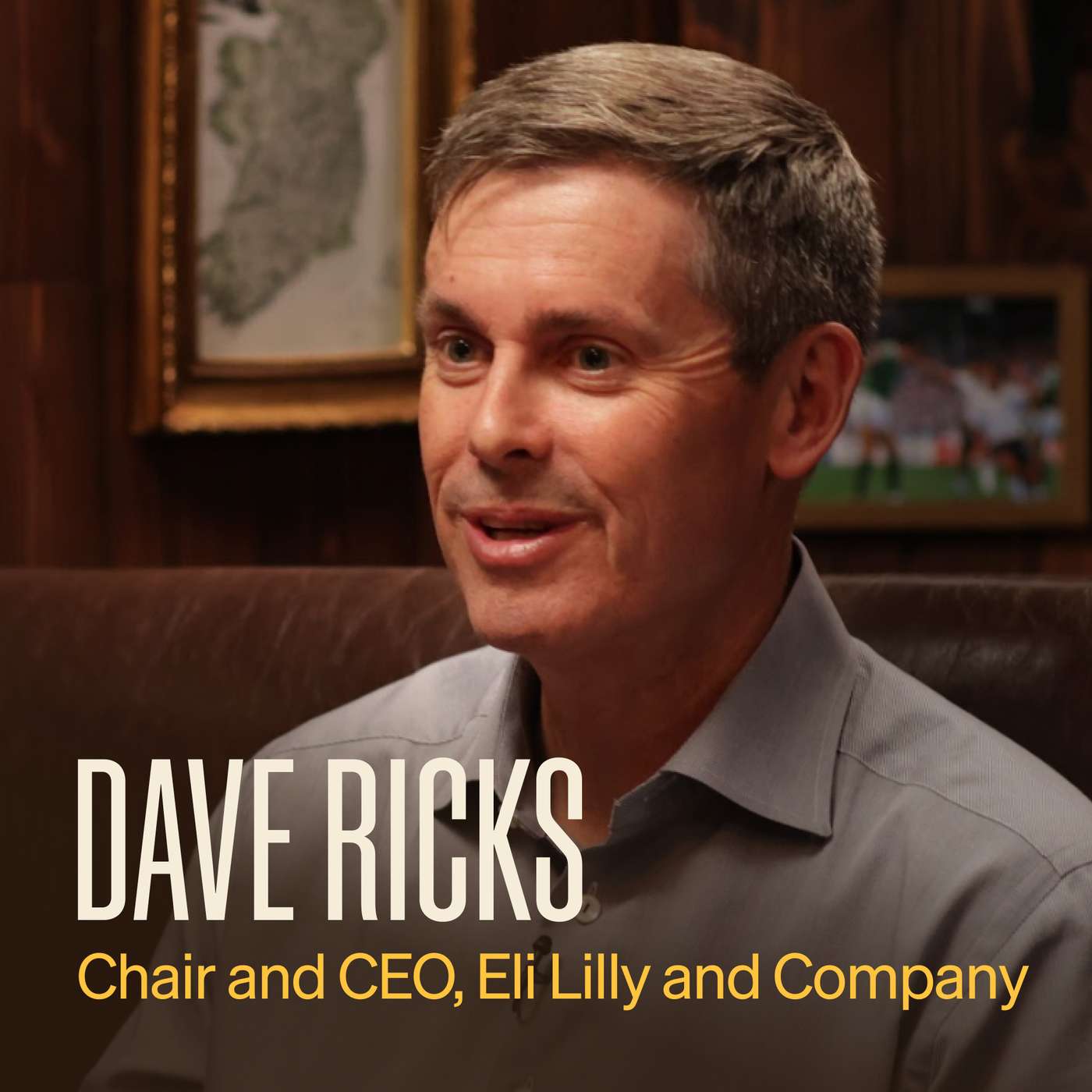
Instead of seeking an easy path, the leadership team engages in strong, prolonged debates. The goal is not a watered-down consensus ('lower compromise') but an elevated outcome incorporating the best of conflicting ideas. This makes the final decision stronger than any individual's initial proposal.

Related Insights
For its handful of major annual decisions, Eli Lilly's leadership team has a rule to never make a final call in the initial meeting. This process intentionally builds in time for reflection, debate, and persuasion.
Barry Diller views confrontation not as negative conflict but as a vital process for discovery. He believes the "convulsive arguing of ideas" forces hidden truths and better insights to the surface. For him, a lack of direct, passionate debate leads to dull, suboptimal outcomes.

Teams often mistake compromise for collaboration, leading to average outcomes. True collaboration requires balancing high assertiveness (people speaking their mind directly) with high cooperativeness (openly listening to others). It is not about meeting in the middle.

The two owners didn't make rebranding decisions in a vacuum. They formed a five-person leadership team whose role included challenging their ideas. This collaborative friction and pushback led to better final decisions than the owners would have made alone.

Instead of seeking consensus, your primary role in a group meeting is to surface disagreements. This brings out the real challenges and priorities that are usually discussed behind closed doors, giving you the full picture of the problem before you ever present a solution.

The most effective groups practice 'emotional sobriety.' They separate individuals from their ideas, which allows for rigorous debate and critique without personal attacks. This process, used at places like Pixar, refines initial concepts into something far superior.

America's governing system was intentionally designed for messy debate among multiple factions. This constant disagreement is not a flaw but a feature that prevents any single group from gaining absolute power. This principle applies to organizations: fostering dissent and requiring compromise leads to more resilient and balanced outcomes.

Healthy executive conflict happens when problems are debated directly by the entire leadership team. The dynamic becomes toxic when leaders avoid group debate and instead engage in numerous separate one-on-one conversations, which creates exhaustion, misalignment, and gossip.

A strong partnership thrives on different viewpoints, not a leader and a follower. A partner who simply echoes your ideas prevents growth and leaves you vulnerable to your own blind spots. This constructive friction is essential for making robust decisions.

Allspring CEO Kate Burke emphasizes a culture of "credible challenge," where diverse opinions are debated openly. This requires having difficult conversations in the room, not in private chats afterward. This ensures decisions are fully informed and builds buy-in, even when people disagree.
