Get your free personalized podcast brief
We scan new podcasts and send you the top 5 insights daily.
Instead of seeking consensus, your primary role in a group meeting is to surface disagreements. This brings out the real challenges and priorities that are usually discussed behind closed doors, giving you the full picture of the problem before you ever present a solution.

Related Insights
Most leaders are conflict-avoidant. Instead of running from tension, view it as a data point signaling an unaddressed issue or misalignment. This reframes conflict from a threat into an opportunity for discovery and improvement, prompting curiosity rather than fear.

To transform team dynamics, leaders should intentionally ask questions that invite challenges and alternative viewpoints. Simple prompts like 'What might we be missing here?' or 'Does anyone have a different point of view?' create psychological safety and signal that all contributions are valued.

The goal of asking questions isn't just for you to gather information. It's a Socratic dialogue designed to help stakeholders think differently and arrive at the real need themselves. By guiding their thought process, you build deeper alignment and co-create a better solution, rather than just extracting requirements for yourself to fulfill.
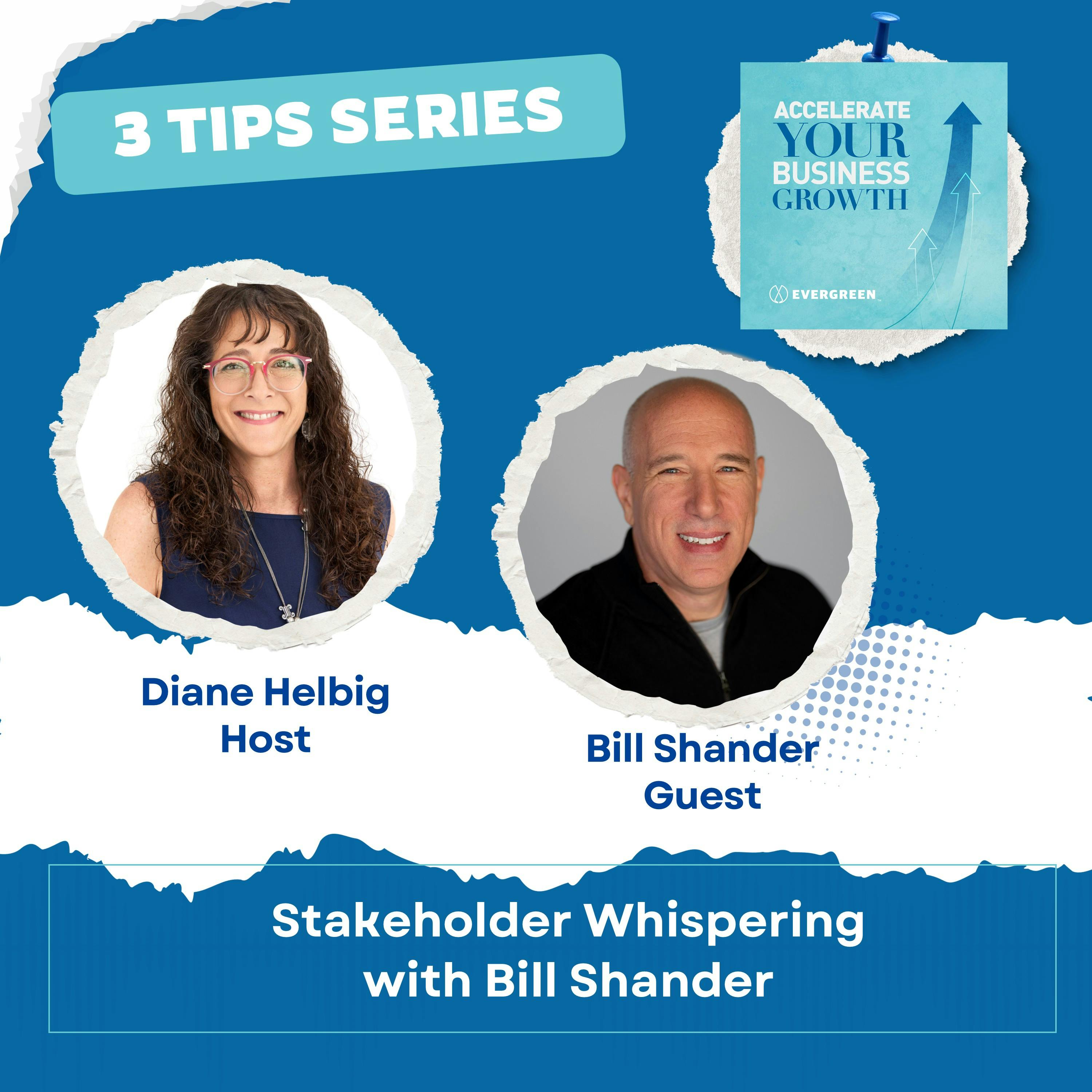
Don't mistake silence for agreement. Assume quiet participants are potential blockers with unspoken opinions. Call on them directly, acknowledge their specific role, and create a safe space for them to contribute. Their perspective, often critical, will surface after the call if not addressed.
In disagreements, the objective isn't to prove the other person wrong or "win" the argument. The true goal is to achieve mutual understanding. This fundamental shift in perspective transforms a confrontational dynamic into a collaborative one, making difficult conversations more productive.

To prevent the first or most senior person from anchoring a conversation, collect everyone's independent analysis in writing first. Only after this information is aggregated should the group discussion begin. This method ensures a wider range of ideas is considered and prevents premature consensus.
Leaders often assume goal alignment. A simple exercise is to ask each team member to articulate the project's goal in their own words. The resulting variety in answers immediately highlights where alignment is needed before work begins, preventing wasted effort on divergent paths.
Gaining genuine team alignment is more complex than getting a superficial agreement. It involves actively surfacing unspoken assumptions and hidden contexts to ensure that when the team agrees, they are all agreeing to the same, fully understood plan.

To prevent conflict from becoming personal or chaotic, first, explicitly state the disagreement out loud. Then, assign individuals to argue each side to ensure all perspectives are fully explored. This depersonalizes the debate and focuses it on the problem, not the people involved.

Allspring CEO Kate Burke emphasizes a culture of "credible challenge," where diverse opinions are debated openly. This requires having difficult conversations in the room, not in private chats afterward. This ensures decisions are fully informed and builds buy-in, even when people disagree.
