Get your free personalized podcast brief
We scan new podcasts and send you the top 5 insights daily.
Despite official bans on female education, informal and 'secret' schools persist, with some madrasas even teaching modern subjects. The regime's long-term survival may hinge on this unacknowledged flexibility, which allows society to function despite draconian official policies.

Related Insights
Contrary to fears of widespread retribution, the Taliban government has integrated many officials from the previous U.S.-backed administration, even within security agencies. This demonstrates a remarkable and unexpected form of person-to-person reconciliation between former mortal enemies.
The relative calm in Afghanistan should not be mistaken for successful governance. The primary reason for peace is simply the end of the war itself: the insurgency won and the counterinsurgency collapsed, thus eliminating the main driver of violence for two decades.
The current conflict between Pakistan and Afghanistan is complicated by a history of shifting alliances. Many Taliban leaders now being targeted by Pakistan's military once found refuge in Pakistan with the support of the country's security services during the US and NATO mission in Afghanistan, illustrating the region's complex dynamics.
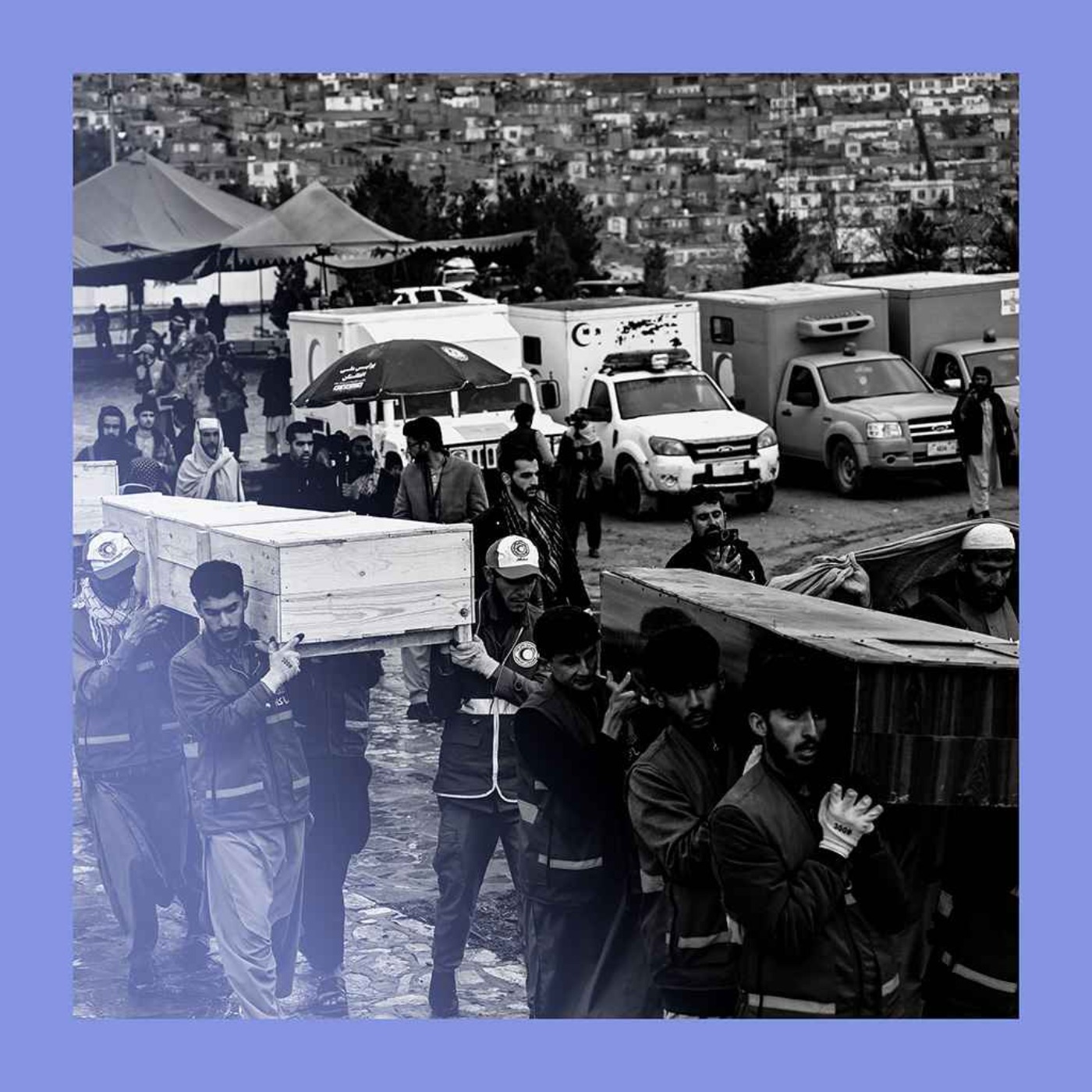
The Iranian revolution created a society of contradictions. While imposing strict religious social codes on women, the state also fostered an environment that produced more female university-educated engineers per capita than anywhere else, defying simple Western characterizations.

While the Taliban's firm grip on power has drastically reduced violence and brought a sense of peace to daily life, it has come at a severe cost. The economy has collapsed, leaving many in deep poverty, struggling for food, and unemployed, creating a grim trade-off for the Afghan people.

Unlike many insurgent groups, the Taliban maintained a high degree of unity, which was a critical strategic asset. They continue to actively suppress internal divisions, recognizing that their past and future success depends on avoiding the factionalism that plagued their adversaries.
The West's five-year strategy of using sanctions, reduced aid, and frozen assets to pressure the Taliban into moderation has not worked. This failure is forcing a reluctant strategic shift, with countries now engaging on issues like migration and counter-terrorism out of necessity.
While the Chinese government shuts down feminist NGOs and online platforms, "daily feminism" thrives. Women use informal discussion groups and mutual support networks to advance gender equality, demonstrating a resilient, decentralized form of activism that official suppression cannot eradicate.
The Taliban's supreme leader has consolidated control not just ideologically, but by directing revenue from mining contracts to himself and building a private 8,000-fighter force in Kandahar, loyal only to him. This bypasses the formal government structures in Kabul and marginalizes more moderate factions.
Despite perceptions of strict state control, there's a widespread culture of finding clever workarounds. Examples include hiring "PhD nannies" to evade tutoring bans and using grandparents' IDs to bypass youth gaming limits, showing how top-down rules are often obviated at the grassroots level.