Get your free personalized podcast brief
We scan new podcasts and send you the top 5 insights daily.
Despite perceptions of strict state control, there's a widespread culture of finding clever workarounds. Examples include hiring "PhD nannies" to evade tutoring bans and using grandparents' IDs to bypass youth gaming limits, showing how top-down rules are often obviated at the grassroots level.
Related Insights
A Chinese government policy banning after-school human tutors, intended to reduce academic pressure, had an unintended consequence: it created a market vacuum filled by AI tutors. This regulatory action unintentionally accelerated a large-scale societal experiment in AI-driven education, far outpacing adoption in the West.
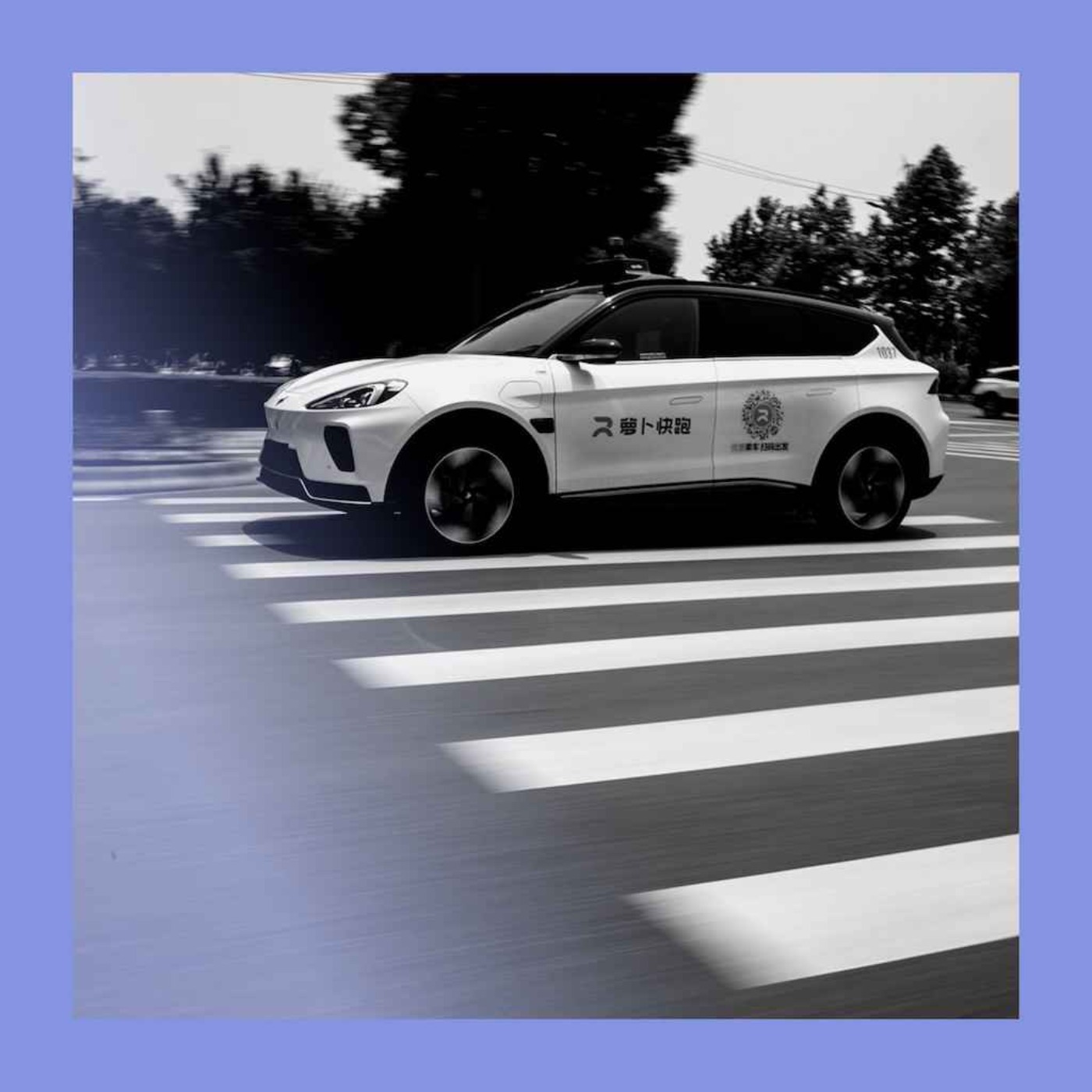
Contrary to perceptions of rigid control, China accelerates tech progress by empowering local regulators to be agile. These regulators create urban "test beds" for technologies like autonomous taxis, which entices talent and investment, turbocharging development cycles far ahead of Western counterparts.
Unlike previous generations where hard work guaranteed advancement, today's Chinese youth face high unemployment and limited opportunities. The "Tangping" trend of opting out of the rat race is not laziness, but a logical response to a system where extreme effort no longer ensures success.
The Chinese censorship ecosystem intentionally avoids clear red lines. This vagueness forces internet platforms and users to over-interpret rules and proactively self-censor, making it a more effective control mechanism than explicit prohibitions.

Instead of relying on slow government action, society can self-regulate harmful technologies by developing cultural "antibodies." Just as social pressure made smoking and junk food undesirable, a similar collective shift can create costs for entrepreneurs building socially negative products like sex bots.

In China, the domestic version of TikTok (Douyin) limits users under 18 to 60 minutes of screen time per day, enforced via mandatory real-name ID registration. This represents a form of authoritarian social engineering that many Western parents might paradoxically welcome.

The Chinese phrase "dancing in shackles" captures the dynamic of creating and innovating within a rigidly constrained society. Originally used by journalists, the term now applies to software engineers and artists navigating the push-and-pull between state control and personal or economic expression online.
While the Chinese government shuts down feminist NGOs and online platforms, "daily feminism" thrives. Women use informal discussion groups and mutual support networks to advance gender equality, demonstrating a resilient, decentralized form of activism that official suppression cannot eradicate.
Internet platforms like Weibo don't merely react to government censorship orders. They often act preemptively, scrubbing potentially sensitive content before receiving any official directive. This self-censorship, driven by fear of punishment, creates a more restrictive environment than the state explicitly demands.
Censorship in China operates less through direct orders and more through an atmosphere of unpredictable threat. Like an anaconda sleeping in a chandelier above a dinner party, the state's potential to strike at any moment for any reason causes individuals to self-censor constantly, stifling creativity and open discourse.
![Dan Wang - The US vs China In The 21st Century - [Invest Like the Best, EP.444] thumbnail](https://megaphone.imgix.net/podcasts/e1599a88-a9f6-11f0-b532-e3695bb27d60/image/0f5c07552cef2689e5834d56786ad6f1.jpg?ixlib=rails-4.3.1&max-w=3000&max-h=3000&fit=crop&auto=format,compress)