Get your free personalized podcast brief
We scan new podcasts and send you the top 5 insights daily.
Corporate politics stems from misaligned incentives that encourage lobbying for self-interest. A CEO can dismantle this by explicitly rewarding collaboration, even if the outcome is imperfect. Valuing how a decision impacts team motivation over simply having the 'right' answer fosters a company-first culture.

Related Insights
To move beyond platitudes about collaboration, one 5x CEO had his executive team stack-rank one another on their effectiveness as team players. This process created a measurable, accountable system that surfaced hidden friction and spotlighted true team-first leaders.

Teams often mistake compromise for collaboration, leading to average outcomes. True collaboration requires balancing high assertiveness (people speaking their mind directly) with high cooperativeness (openly listening to others). It is not about meeting in the middle.

Frameworks, rules, and structures are useless if the team's underlying mindset is adversarial. Before implementing any system for collaboration or decision-making, leaders must first ensure that people have fundamentally agreed on the goal of working together constructively, rather than winning at all costs.

Leaders often feel they must have all the answers, which stifles team contribution. A better approach is to hire domain experts smarter than you, actively listen to their ideas, and empower them. This creates a culture where everyone learns and the entire company's performance rises.
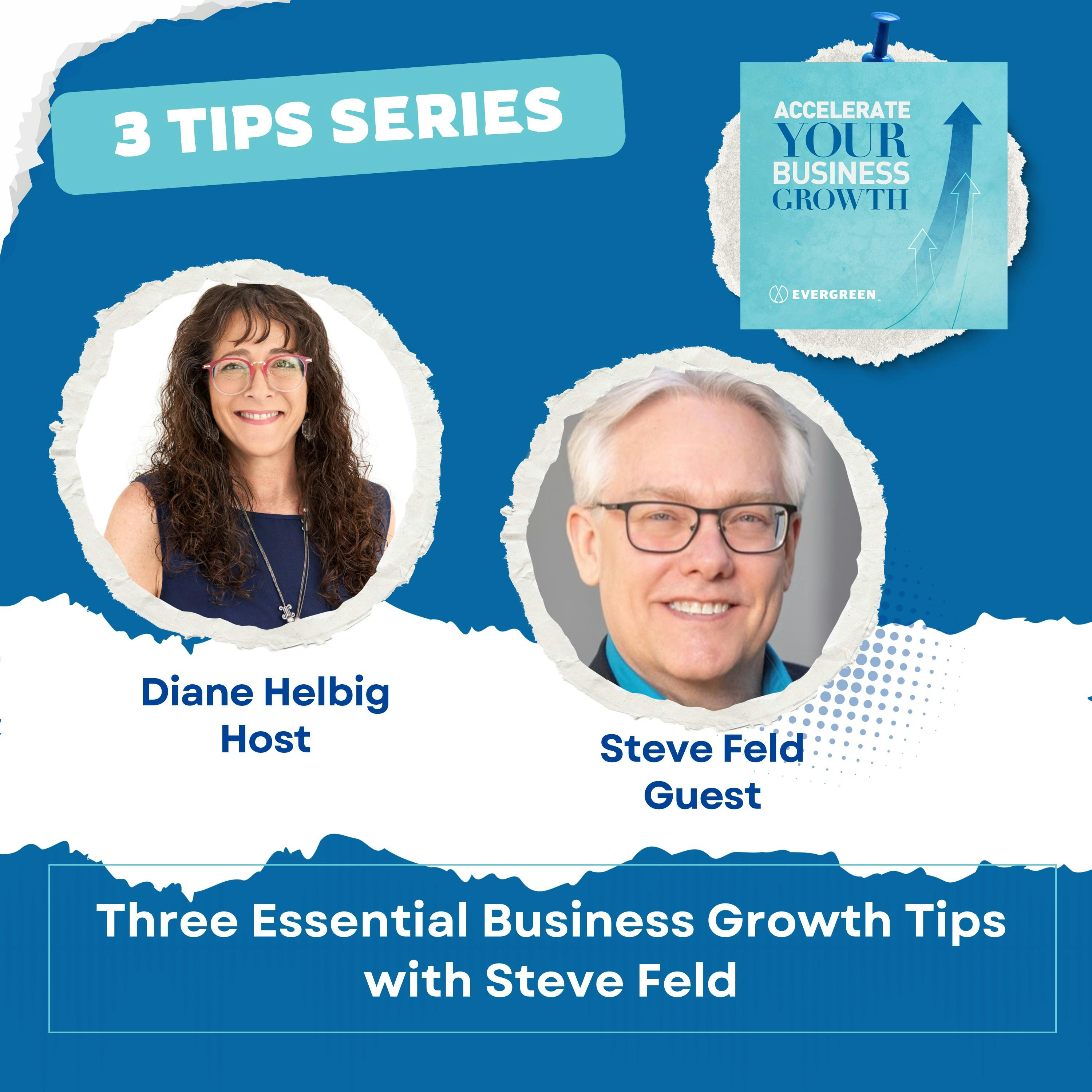
FanDuel CEO Amy Howe adopted this McKinsey principle, which requires even junior employees to voice contrary opinions. This creates an environment where diverse perspectives are heard, ultimately leading to more robust and well-vetted company decisions.

Don't pitch big ideas by going straight to the CEO for a mandate; this alienates the teams who must execute. Instead, introduce ideas casually to find a small group of collaborative "yes, and" thinkers. Build momentum with this core coalition before presenting the developed concept more broadly.
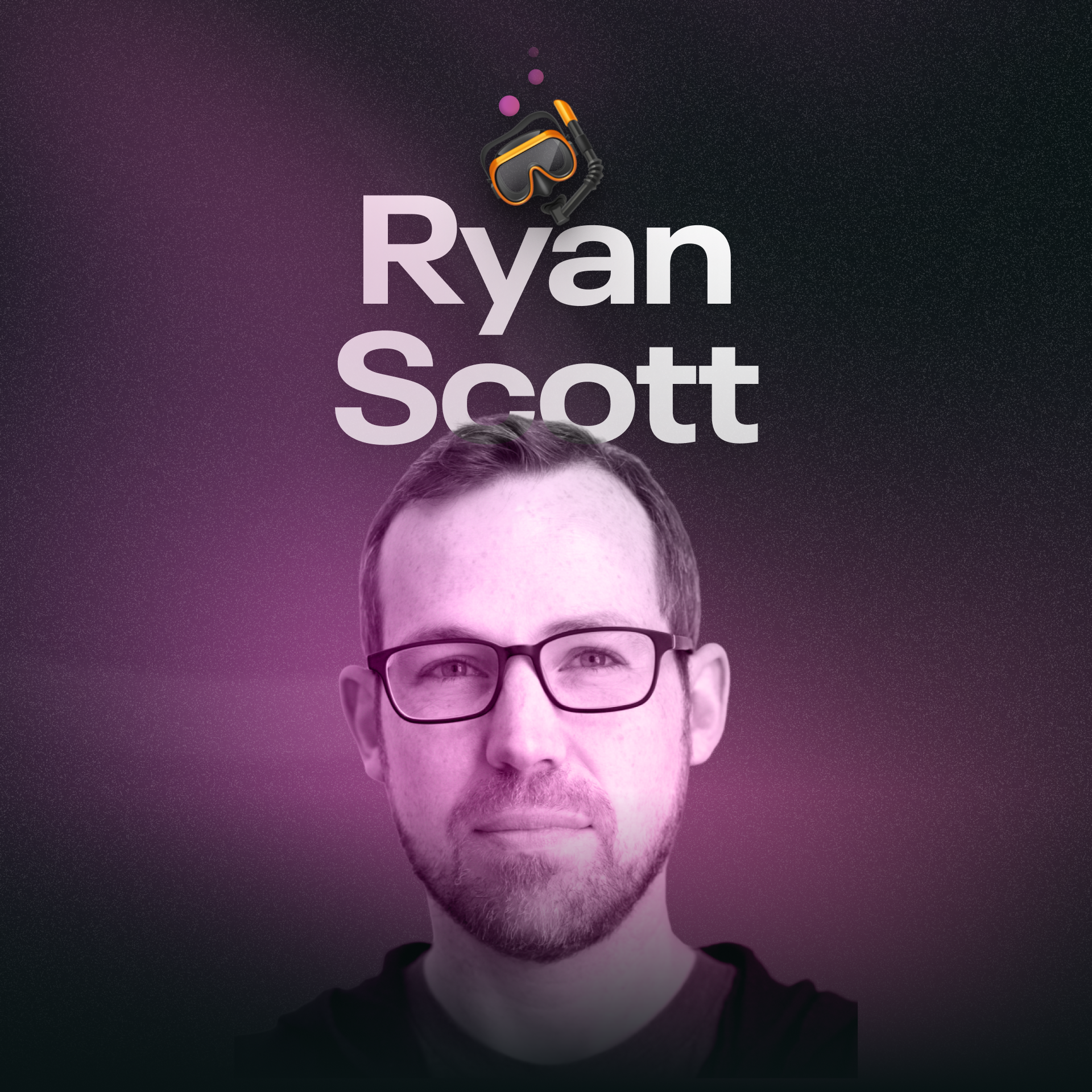
'Politics' is simply the set of unspoken rules and unstated norms governing how things truly get done. To remove their negative power, PMs should surface these norms—like an expectation to work on vacation—and facilitate an explicit conversation about whether the team wants to continue operating that way.

To break down silos and encourage a platform mindset, Microsoft CEO Satya Nadella changed performance reviews. Every employee had to document how they contributed to the success of others, directly linking collaboration to their compensation. This made the cultural shift tangible and non-negotiable, moving beyond mere talk.

Use the formula EV > TV > MEV (Enterprise Value > Team Value > My Value) to guide decisions. Immature leaders optimize for their own team's metrics (TV) at the expense of the company's success (EV). This creates silos. The best leaders always solve for the entire enterprise first.
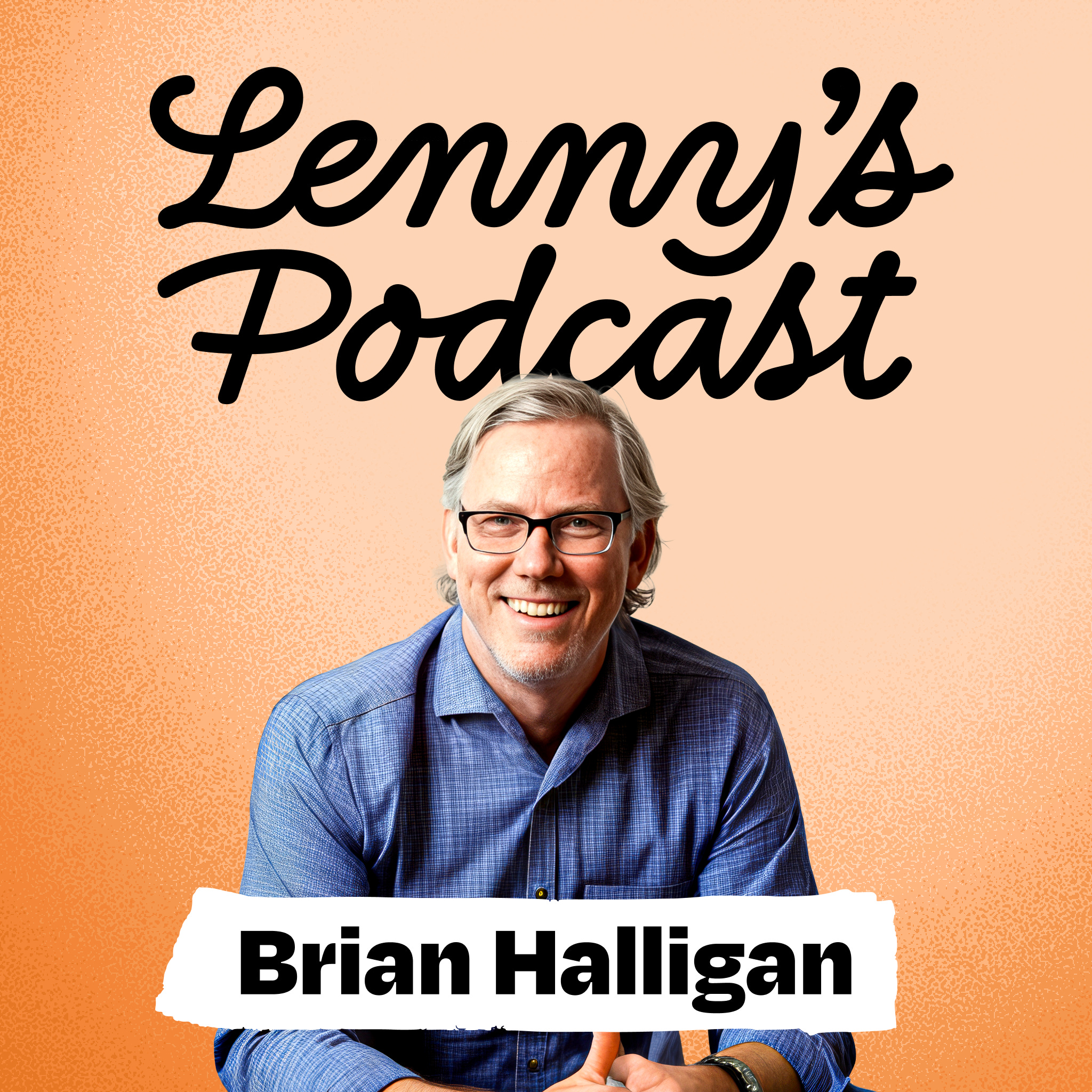
Allspring CEO Kate Burke emphasizes a culture of "credible challenge," where diverse opinions are debated openly. This requires having difficult conversations in the room, not in private chats afterward. This ensures decisions are fully informed and builds buy-in, even when people disagree.
