Get your free personalized podcast brief
We scan new podcasts and send you the top 5 insights daily.
The Pentagon cancelled Anthropic's $200M contract because the AI firm insisted on restrictive terms, seeking to control military use-cases. The Department of War requires an "all lawful use" clause, viewing a vendor's policy-based interruptions as an unacceptable operational risk.

Related Insights
The Pentagon expects to buy AI with full control, just as it buys an F-35 jet from Lockheed, without the manufacturer dictating its use. AI firms like Anthropic see their product as an evolving service requiring ongoing involvement, creating a fundamental paradigm clash in government contracting.

Claims by AI companies that their tech won't be used for direct harm are unenforceable in military contracts. Militaries and nation-states do not follow commercial terms of service; the procurement process gives the government complete control over how technology is ultimately deployed.
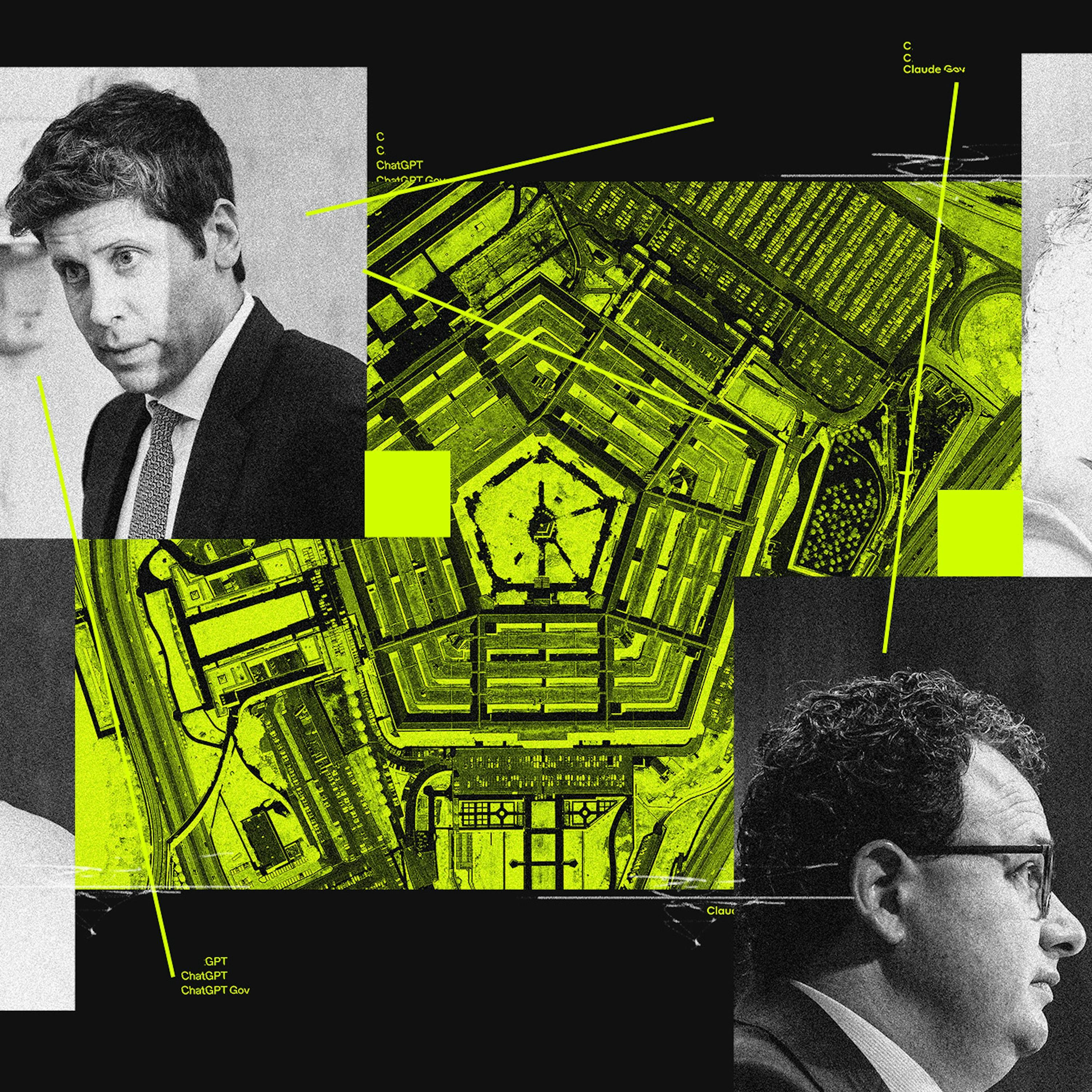
The debate over Anthropic's refusal to work with the military is often mischaracterized. Their actual position was based on two specific terms: no involvement in autonomous weapons (without a human in the loop) and no use for wholesale surveillance of Americans.

By refusing to allow its models for lethal operations, Anthropic is challenging the U.S. government's authority. This dispute will set a precedent for whether AI companies act as neutral infrastructure or as political entities that can restrict a nation's military use of their technology.

OpenAI agreed to the Pentagon's broad "all lawful uses" contract language—the same clause Anthropic rejected. However, OpenAI implemented technical controls, such as cloud-only deployment, embedded engineers, and model-level safety guardrails, to enforce the same ethical red lines against autonomous weapons and mass surveillance that Anthropic demanded legally.

The conflict over whether to use "lawful purposes" or specific "red lines" in government AI contracts is more than a legal disagreement. It represents the first major, public power struggle between an AI developer and a government over who ultimately determines how advanced AI is used, especially for sensitive applications like autonomous weapons and surveillance.
Anthropic is in a high-stakes standoff with the US Department of War, refusing to allow its models to be used for autonomous weapons or mass surveillance. This ethical stance could result in contract termination and severe government repercussions.

The Pentagon rejected Anthropic's offer to grant exceptions for military AI use on a case-by-case basis. Under Secretary Emil Michael explained that needing to call a vendor for permission during a crisis is an operationally unworkable and irrational risk for a time-sensitive mission.
The Department of War is threatening to blacklist Anthropic for prohibiting military use of its AI, a severe penalty typically reserved for foreign adversaries like Huawei. This conflict represents a proxy war over who dictates the terms of AI use: the technology creators or the government.
The DoD insists that tech providers agree to any lawful use of their technology, arguing that debates over controversial applications like autonomous weapons belong in Congress, not in a vendor's terms of service.
