Get your free personalized podcast brief
We scan new podcasts and send you the top 5 insights daily.
The Pentagon expects to buy AI with full control, just as it buys an F-35 jet from Lockheed, without the manufacturer dictating its use. AI firms like Anthropic see their product as an evolving service requiring ongoing involvement, creating a fundamental paradigm clash in government contracting.

Related Insights
By threatening a willing partner, the DoD risks sending a message to Silicon Valley that any collaboration will lead to a loss of control, undermining efforts to recruit tech talent for national security.

The conflict between Anthropic and the Pentagon stemmed from fundamental philosophical differences and personal animosity between leaders, as much as specific contract language over surveillance and autonomous weapons. The disagreement was deeply rooted in a clash of Silicon Valley and Washington cultures.
Claims by AI companies that their tech won't be used for direct harm are unenforceable in military contracts. Militaries and nation-states do not follow commercial terms of service; the procurement process gives the government complete control over how technology is ultimately deployed.
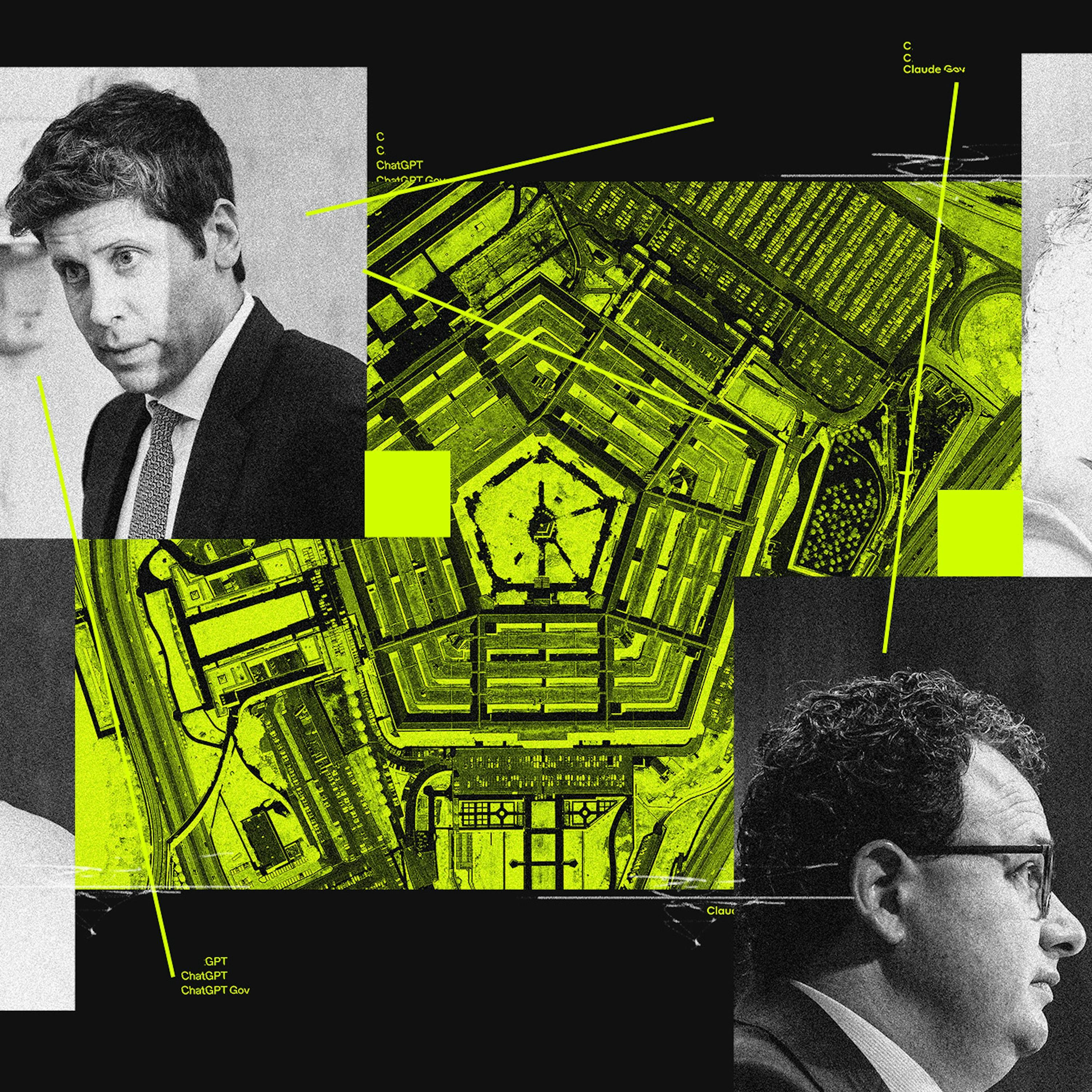
By refusing to allow its models for lethal operations, Anthropic is challenging the U.S. government's authority. This dispute will set a precedent for whether AI companies act as neutral infrastructure or as political entities that can restrict a nation's military use of their technology.

Unlike contractors who oversell a '20 percent solution,' Anthropic's CEO is transparently stating their AI isn't reliable for lethal uses. This 'truth in advertising' is culturally bizarre in a defense sector accustomed to hype, driving the conflict with a Pentagon that wants partners to project capability.

The conflict over whether to use "lawful purposes" or specific "red lines" in government AI contracts is more than a legal disagreement. It represents the first major, public power struggle between an AI developer and a government over who ultimately determines how advanced AI is used, especially for sensitive applications like autonomous weapons and surveillance.
The US government is labeling Anthropic a "supply chain risk" over ethical disputes while simultaneously using its AI model, Claude, for targeting and intelligence in strikes on Iran. This reveals a deep, contradictory dependence on the very technology it publicly rejects, undermining its own punitive measures.

The core conflict is not a simple contract dispute, but a fundamental question of governance. Should unelected tech executives set moral boundaries on military technology, or should democratically elected leaders have full control over its lawful use? This highlights the challenge of integrating powerful, privately-developed AI into state functions.
The Department of War is threatening to blacklist Anthropic for prohibiting military use of its AI, a severe penalty typically reserved for foreign adversaries like Huawei. This conflict represents a proxy war over who dictates the terms of AI use: the technology creators or the government.
Selling a standard Ford Mustang to the military is a simple transaction. But if the government asks for armor and bulletproof glass, it becomes a different contract for a weaponized product. This model helps distinguish between selling a general-purpose AI and customizing it for lethal applications.
