Get your free personalized podcast brief
We scan new podcasts and send you the top 5 insights daily.
Vendors and TSDs get lost in partner labels. The critical distinction is the partner's business model: Do they want a residual commission, to resell on their own paper, or a one-time payment? Offering this flexibility is key to recruiting and enabling modern partners.

Related Insights
StackAI's early attempts at using resellers were counterproductive because the product and messaging were evolving too quickly. Partners can't sell a moving target. The channel only became successful after the company established a clear ICP and repeatable value proposition.

Instead of just buying leads from partners like wholesalers or agencies, consider acquiring them. If your business has a more effective way to monetize that deal flow (e.g., higher margins, better LTV), you can generate more profit from their leads than they can. This turns a variable marketing expense into a profit-generating asset.

A 'one-size-fits-all' commission fails to motivate top performers. Advanced affiliate programs use dynamic compensation, tailoring CPA rates by affiliate quality, customer type (new vs. returning), and specific SKUs to create the most compelling incentives.
The B2B sales channel has evolved from a linear reseller model to a complex ecosystem. Deals are now shaped by multiple, often unknown, partners like consultants and system integrators. Vendors must act like detectives to map this hidden influence network to succeed.
As ad costs rise and organic reach declines, B2B businesses should evolve their sales teams. Instead of focusing solely on cold outreach, empower them with the bandwidth and capability to build and manage a systemized network of referral partners. This creates a predictable and more profitable growth engine.
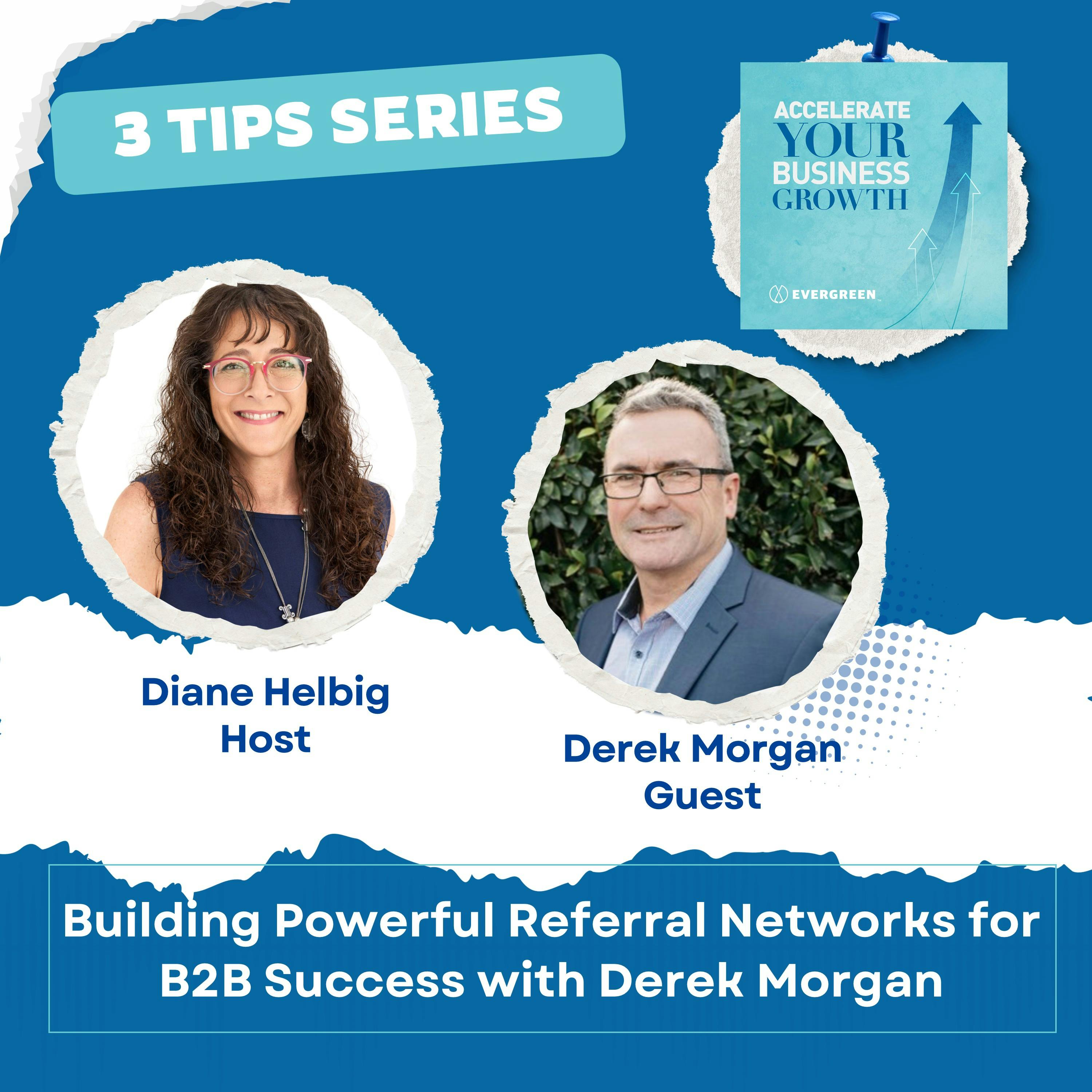
In a B2B supplier or distributor model, success depends on going downstream. You must understand not only your direct partner's business drivers and KPIs but also the needs of their end-customer. This allows you to align strategy across the entire value chain.

Move beyond selling features by offering a "Business Process as a Service" (BPaaS) solution. This involves contracting directly on the business outcomes clients care about, such as cost savings or revenue optimization. This model delivers an end-to-end capability and aligns your success directly with your customer's, creating a powerful value proposition.

If your business relies heavily on referrals from centers of influence (e.g., consultants, agencies), reframe your entire business model. Your true customer is the referral partner. Build a 'customer journey' specifically for them, focused on making it easy and profitable for them to send you well-framed, high-quality leads.
When a company has strong inbound interest, the sales playbook shifts from aggressive outreach to rigorous partner qualification. The team acts more like a DSP's supply side, carefully selecting who to work with to ensure quality and strategic fit, rather than working with everyone.

The defining characteristic of a great agency relationship isn't just delivering work, but true integration. They should feel like an extension of the internal team—challenging existing ideas, helping the team grow, and working as a complementary partner rather than a transactional vendor.