Get your free personalized podcast brief
We scan new podcasts and send you the top 5 insights daily.
Modern communication for startups is more effective when decentralized. Like Bitcoin, which has no central comms officer, a startup's message should be spread through a network of ambassadors and influencers. This approach makes the message more resilient to attacks and more believable to new audiences.

Related Insights
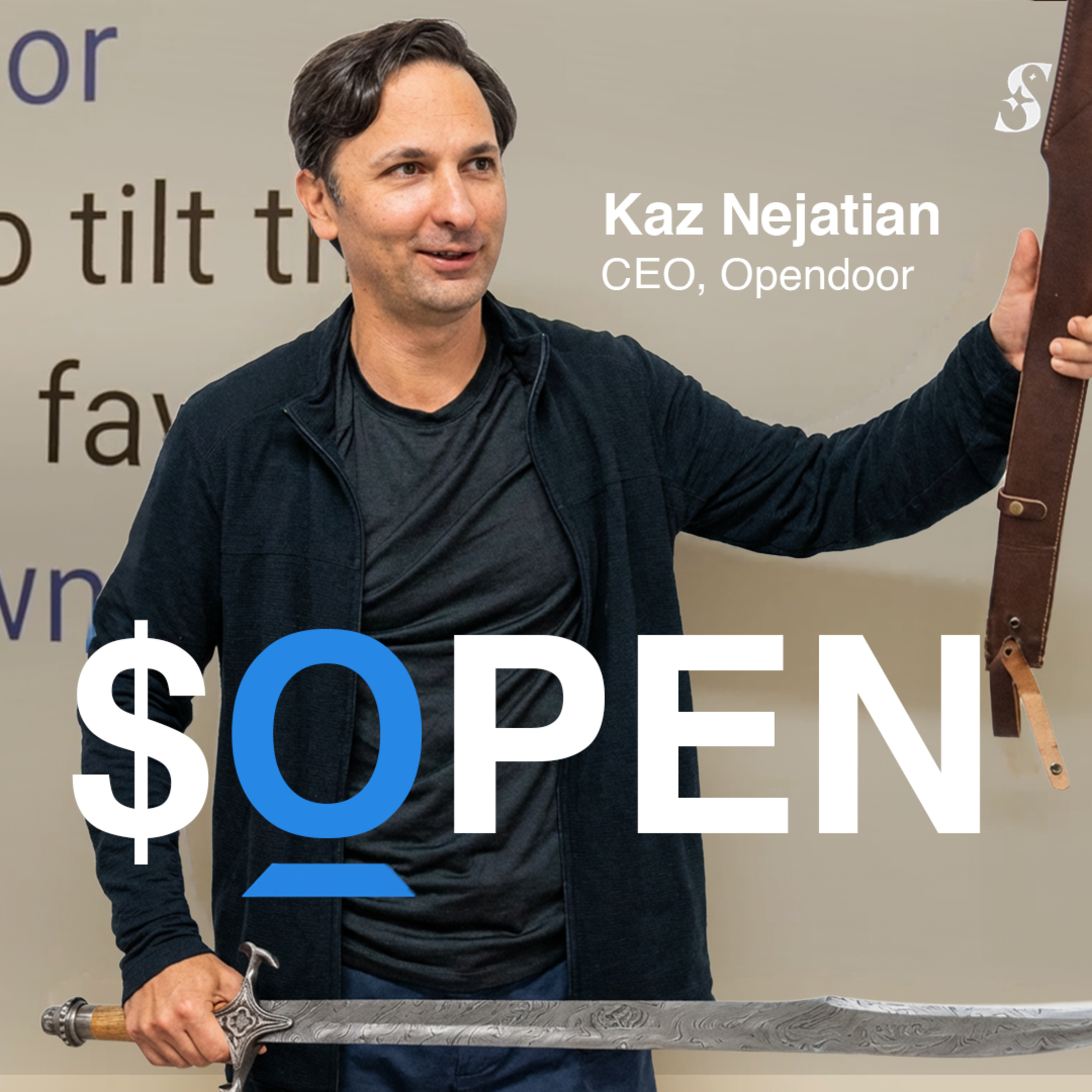
Opendoor has no PR department; the official press email auto-replies with instructions to DM the CEO on X. This radical approach forces direct, unfiltered communication and ensures the CEO's authentic voice defines the company narrative, bypassing traditional media gatekeepers.
To maintain credibility, messaging must be deployed sequentially. Start with the founder, then the executive team, then all employees, then investors, and only then the public. Skipping a circle risks internal dissent, which is the most corrosive thing that can happen to a new narrative.
Building a social media audience is poor advice for SaaS founders. An audience offers passive reach (retweets), while a network of deep, two-way relationships provides true leverage (customer introductions, key hires, strategic advice). Time is better spent cultivating a network than chasing followers.

A successful startup often resembles a cult, requiring a leader who communicates their vision with unwavering, first-person conviction. Hiding the founder behind polished PR spokespeople is a mistake; it neuters the contagious belief required to recruit talent and build a movement against impossible odds.

Founders mistakenly chase distribution channels (podcasts, social media virality) before locking in their core message. Distribution is merely a multiplier. If your message is uninteresting or irrelevant, amplifying it just broadcasts that weakness to a wider audience—a far worse outcome than being ignored.

Encourage team members, not just founders or marketers, to build their personal brands by publicly sharing their learnings and journey. This creates an organic, multi-pronged distribution engine that attracts customers, top talent, and investors. It's a highly underrated and cost-effective go-to-market strategy.

As an organization grows, mass emails from leadership have diminishing returns, citing a 30% open rate for a critical announcement. To ensure important messages land, build a team of trusted lieutenants who can fan out and personally carry the message through the ranks.

Startups fail with PR when they adopt the incumbent's playbook of cozying up to media gatekeepers and spending heavily. As insurgents threatening the status quo, startups must use an asymmetric framework that leverages their unique assets: internet-nativity, conviction, and a network of believers.
Major media outlets like The New York Times and Wired have shifted from adversarial to 'advocacy' journalism, pandering to a specific viewpoint. Founders should avoid them and instead invest in building a direct relationship with their audience through long-form podcasts and social media to control their own narrative.

In a product-led world, the B2B concept of 'founder-led sales' evolves into 'founder-led marketing.' Founders must deeply own the brand's narrative. This means personally onboarding key influencers and being the first to learn how to tell the story broadly, ensuring the message is right before scaling the function.
