Get your free personalized podcast brief
We scan new podcasts and send you the top 5 insights daily.
Mykhailo's 'Interplanetary Link Knowledge' (IPLK) framework proposes a semi-decentralized data model. Users keep their data on their own devices, granting temporary, time-limited access to services. This allows for powerful data processing while maintaining user ownership and transparency, avoiding the typical trade-offs of centralized systems.

Related Insights
The long-standing trend of centralizing all data into a single warehouse is incompatible with the speed of AI. Large-scale data migrations are too slow. The future architecture will involve AI models operating closer to data sources for faster, decentralized operation.

The core appeal of open-source projects like OpenClaw is that they run locally on user hardware, granting full control over personal data. This contrasts with cloud-based agents from Meta, positioning data ownership and privacy as a key differentiator against convenience.

By running locally on a user's machine, AI agents can interact with services like Gmail or WhatsApp without needing official, often restrictive, API access. This approach works around the corporate "red tape" that stifles innovation and effectively liberates user data from platform control.
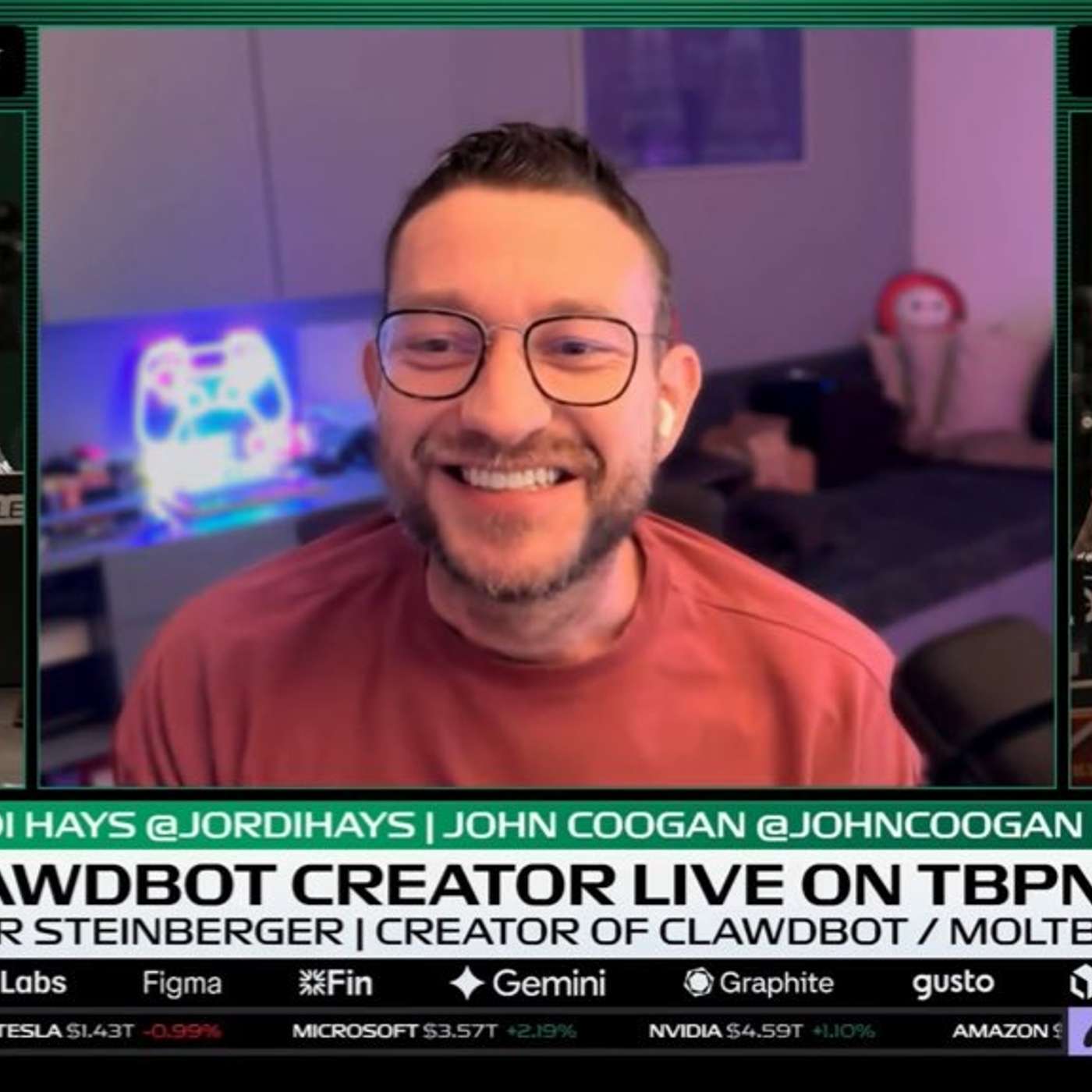
Open-source agent frameworks like OpenClaw allow users to retain ownership of their data and context. This enables them to switch between different LLMs (OpenAI, Anthropic, Google) for different tasks, like swapping engines in a car, avoiding the data lock-in promoted by major AI companies.

The future of AI isn't just in the cloud. Personal devices, like Apple's future Macs, will run sophisticated LLMs locally. This enables hyper-personalized, private AI that can index and interact with your local files, photos, and emails without sending sensitive data to third-party servers, fundamentally changing the user experience.
Enterprises are increasingly concerned about sending sensitive data to the cloud via AI agents. The rise of local models, exemplified by platforms like OpenClaw, allows users to run agents on their own devices, ensuring private data never leaves their control and creating a more secure future.

To solve privacy concerns, Perplexity's "Personal Computer" will synchronize with a local Mac mini. This device acts as a personal server, orchestrating tasks involving private data (notes, files) on-device, while still pinging powerful cloud models for complex tasks with user permission.

By running on a local machine, Clawdbot allows users to own their data and interaction history. This creates an 'open garden' where they can swap out the underlying AI model (e.g., from Claude to a local one) without losing context or control.
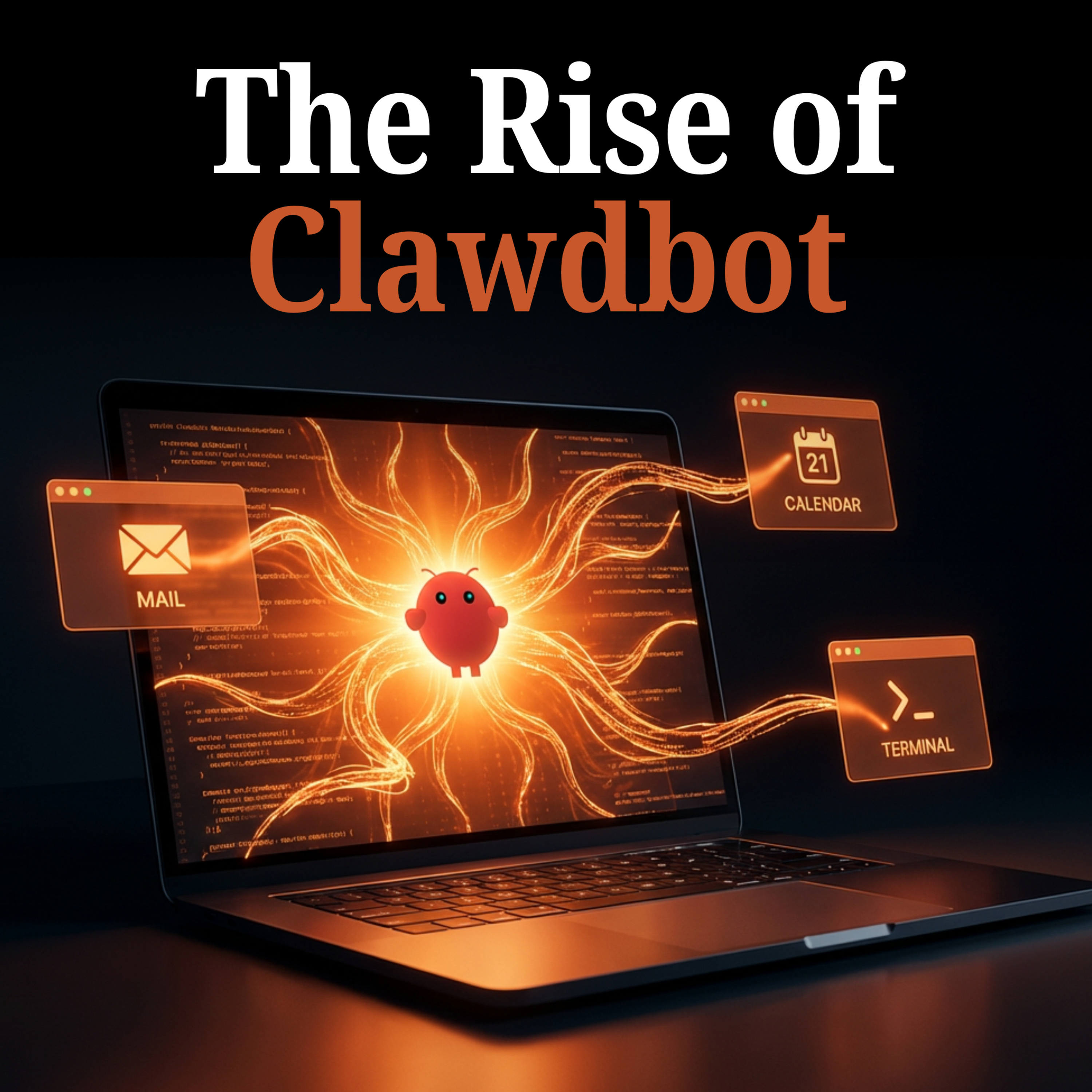
For AI to function as a "second brain"—synthesizing personal notes, thoughts, and conversations—it needs access to highly sensitive data. This is antithetical to public cloud AI. The solution lies in leveraging private, self-hosted LLMs that protect user sovereignty.

Running a personal AI on your own hardware is fundamentally different than using a cloud service. The key advantage is data sovereignty. This protects user data from third-party access, subpoenas, and control by large corporations, which is a critical differentiator for privacy-conscious users and businesses.
