Get your free personalized podcast brief
We scan new podcasts and send you the top 5 insights daily.
Enterprises are increasingly concerned about sending sensitive data to the cloud via AI agents. The rise of local models, exemplified by platforms like OpenClaw, allows users to run agents on their own devices, ensuring private data never leaves their control and creating a more secure future.

Related Insights
Perplexity is launching a personal, always-on agent that runs on a local Mac Mini to access user files and apps securely. This mirrors the 'OpenClaw' concept, indicating that persistent, local system access is becoming a key competitive feature for AI agents, not just a niche experiment.

The core appeal of open-source projects like OpenClaw is that they run locally on user hardware, granting full control over personal data. This contrasts with cloud-based agents from Meta, positioning data ownership and privacy as a key differentiator against convenience.

The "agentic revolution" will be powered by small, specialized models. Businesses and public sector agencies don't need a cloud-based AI that can do 1,000 tasks; they need an on-premise model fine-tuned for 10-20 specific use cases, driven by cost, privacy, and control requirements.

Using public AI models leaks sensitive corporate data, as prompts and agent traces are sent to model providers. To protect proprietary information and maintain control, enterprises may revert to costly but secure on-premise infrastructure, reversing a 20-year trend of cloud migration.
By running AI models directly on the user's device, the app can generate replies and analyze messages without sending sensitive personal data to the cloud, addressing major privacy concerns.
The high cost and data privacy concerns of cloud-based AI APIs are driving a return to on-premise hardware. A single powerful machine like a Mac Studio can run multiple local AI models, offering a faster ROI and greater data control than relying on third-party services.
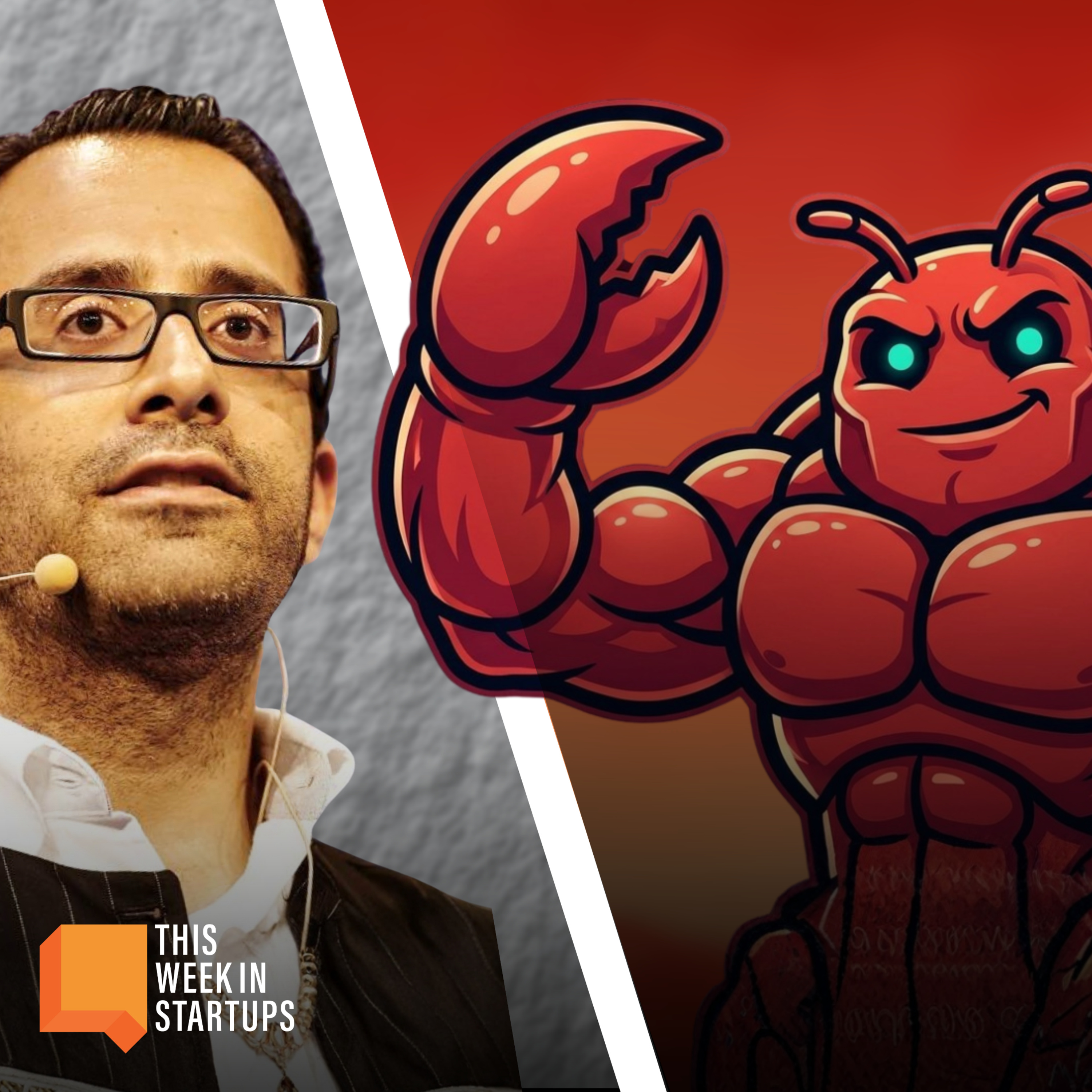
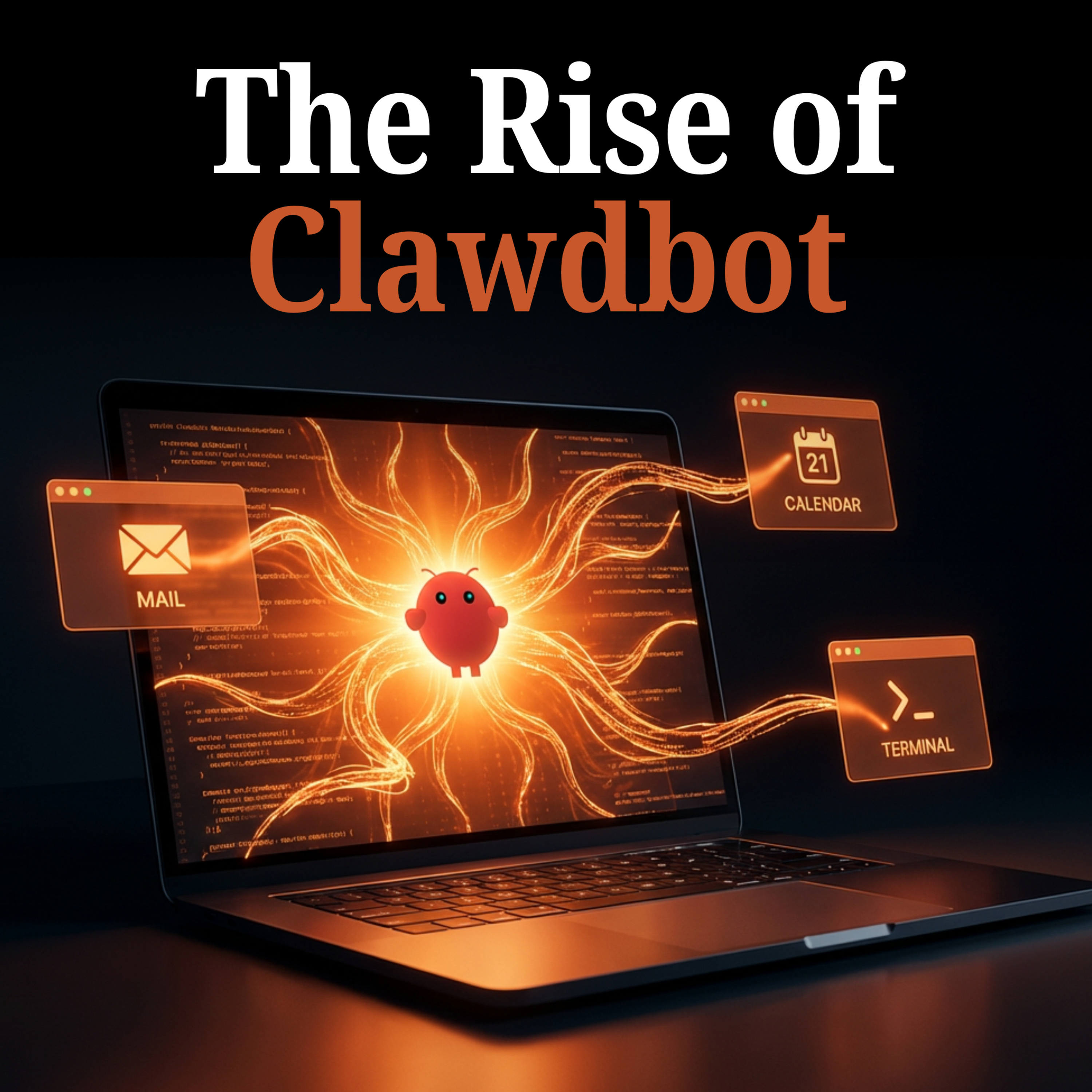
By running on a local machine, Clawdbot allows users to own their data and interaction history. This creates an 'open garden' where they can swap out the underlying AI model (e.g., from Claude to a local one) without losing context or control.
For AI to function as a "second brain"—synthesizing personal notes, thoughts, and conversations—it needs access to highly sensitive data. This is antithetical to public cloud AI. The solution lies in leveraging private, self-hosted LLMs that protect user sovereignty.

A new wave of AI agents from companies like Manus and Adaptive are launching with a core "My Computer" feature. This signals a critical realization: to be truly useful, agents must move beyond cloud-only environments and gain access to local files and applications on a user's personal machine.
Running a personal AI on your own hardware is fundamentally different than using a cloud service. The key advantage is data sovereignty. This protects user data from third-party access, subpoenas, and control by large corporations, which is a critical differentiator for privacy-conscious users and businesses.
