Get your free personalized podcast brief
We scan new podcasts and send you the top 5 insights daily.
To solve privacy concerns, Perplexity's "Personal Computer" will synchronize with a local Mac mini. This device acts as a personal server, orchestrating tasks involving private data (notes, files) on-device, while still pinging powerful cloud models for complex tasks with user permission.

Related Insights
Perplexity is launching a personal, always-on agent that runs on a local Mac Mini to access user files and apps securely. This mirrors the 'OpenClaw' concept, indicating that persistent, local system access is becoming a key competitive feature for AI agents, not just a niche experiment.

Steve Jobs's long-term strategy to move Apple to its own silicon, initiated in 2008, has coincidentally positioned Macs (especially the Mac Mini) as the perfect sandboxed, powerful, and private hardware for running local AI agents like OpenClaw.

Users are choosing the Mac mini to run Claude Bot because it's an affordable, reliable, always-on device that offers crucial native iMessage integration. This allows them to control their desktop-based AI from their phone, effectively turning the Mac mini into a personal server.

The unified memory architecture in Apple's Mac Minis and Studios makes them ideal for running large AI models locally. This presents a massive, multi-trillion-dollar opportunity for Apple to dominate the decentralized, 'garage-scale' AI hardware market. However, the panel believes Apple's rigid corporate culture may prevent it from seizing this emergent movement.

The surge in Mac mini purchases for running AI assistants isn't random. It's the ideal 'home server' because it's affordable, can run 24/7 reliably via ethernet, and critically, its macOS provides native iMessage integration—a key channel for interacting with the AI from a mobile device.

The future of AI isn't just in the cloud. Personal devices, like Apple's future Macs, will run sophisticated LLMs locally. This enables hyper-personalized, private AI that can index and interact with your local files, photos, and emails without sending sensitive data to third-party servers, fundamentally changing the user experience.
The next major hardware cycle will be driven by user demand for local AI models that run on personal machines, ensuring privacy and control away from corporate or government surveillance. This shift from a purely cloud-centric paradigm will spark massive demand for more powerful personal computers and laptops.

The high cost and data privacy concerns of cloud-based AI APIs are driving a return to on-premise hardware. A single powerful machine like a Mac Studio can run multiple local AI models, offering a faster ROI and greater data control than relying on third-party services.
The trend of running AI agents on dedicated Mac Minis isn't just for performance. It reflects a user desire for a tangible, always-on 'AI buddy' or appliance, similar to an R2-D2, that manages their digital life.
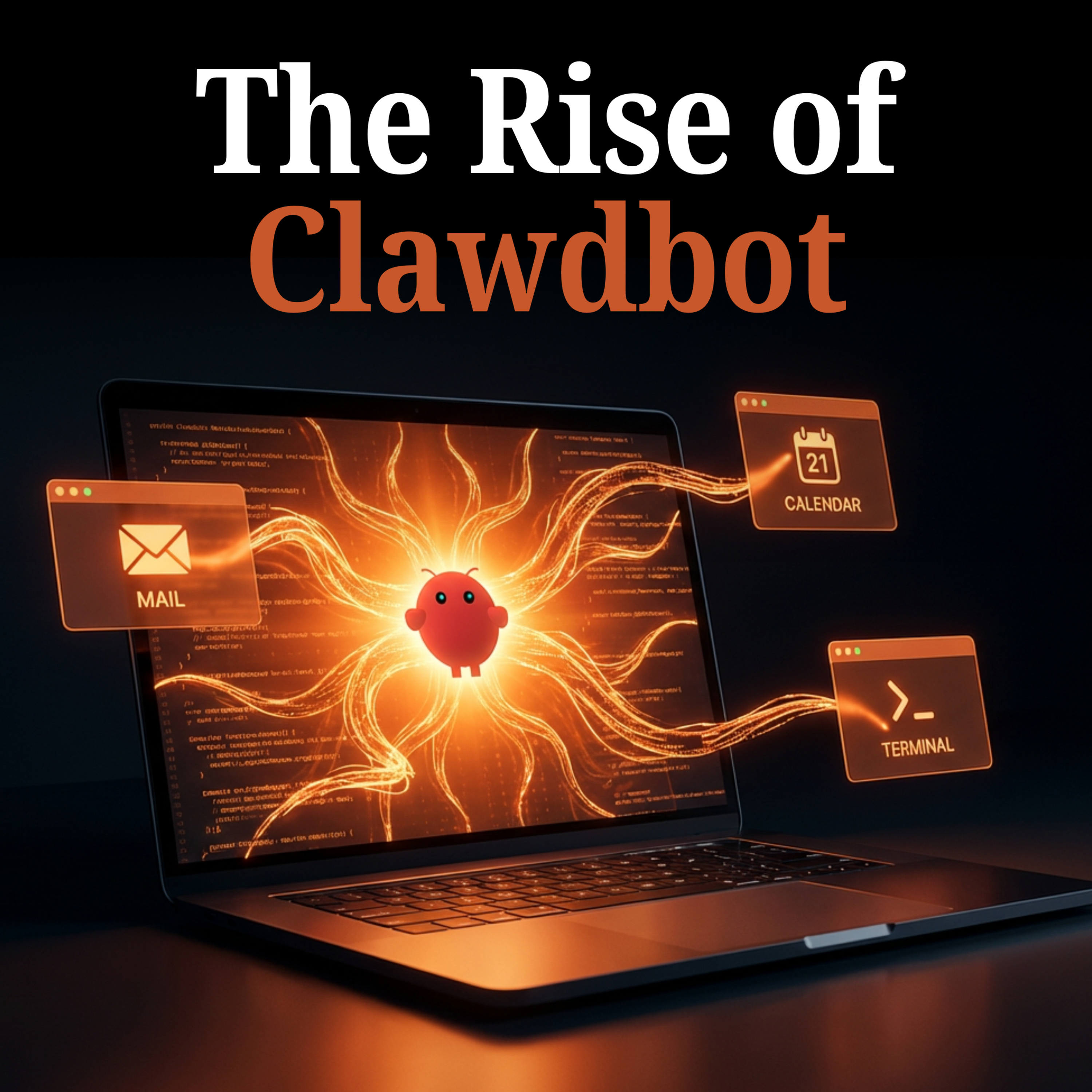
Running a personal AI on your own hardware is fundamentally different than using a cloud service. The key advantage is data sovereignty. This protects user data from third-party access, subpoenas, and control by large corporations, which is a critical differentiator for privacy-conscious users and businesses.