Get your free personalized podcast brief
We scan new podcasts and send you the top 5 insights daily.
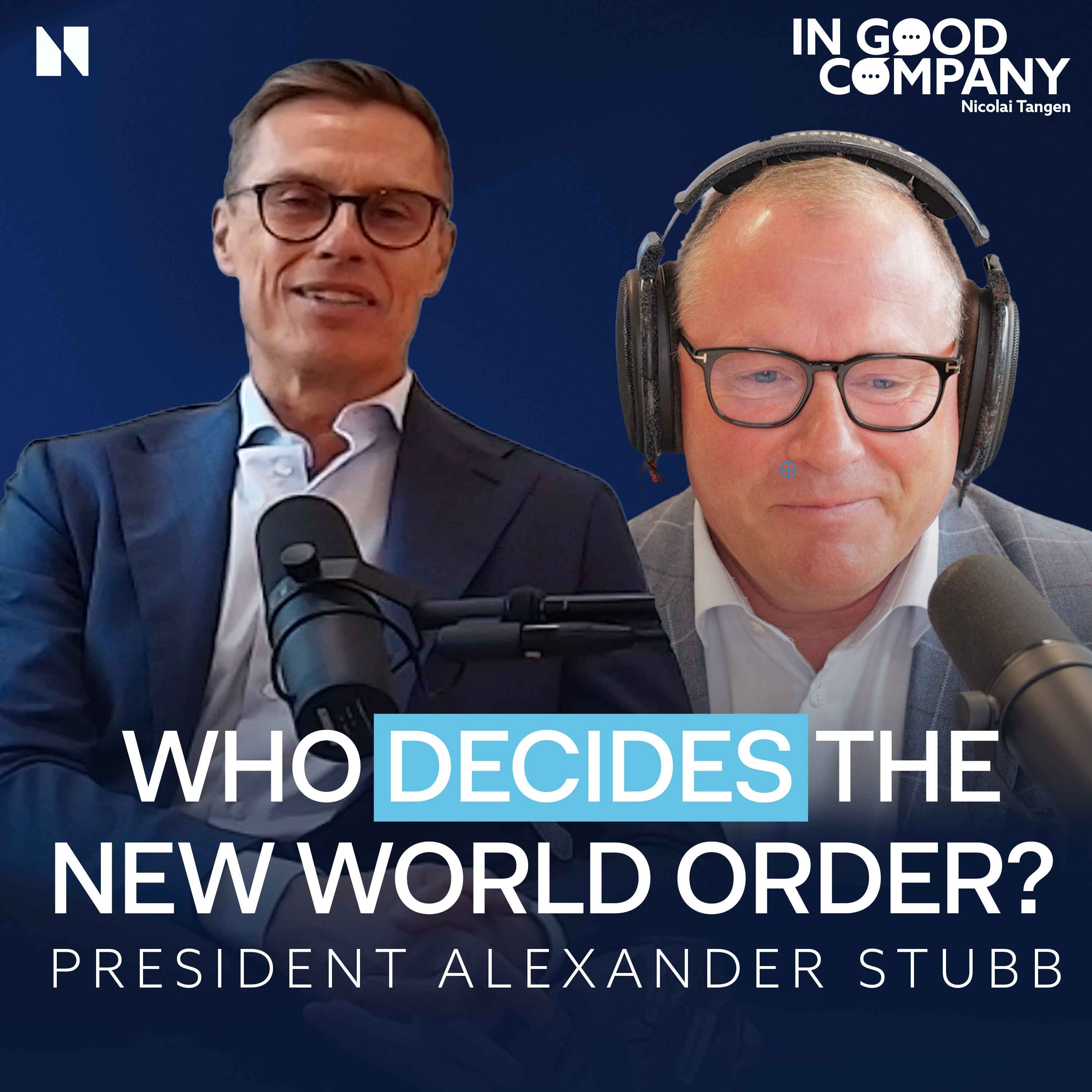
Having held both roles, Alexander Stubb argues that being Prime Minister is tougher. Domestic policy is ideologically divisive, so many people actively want the PM to fail. Foreign policy, however, is a national interest, so most citizens want the President to succeed.
Related Insights
President Stubb reflects that his greatest failure as PM was internalizing political attacks as personal ones. He has since learned to detach his institutional role from his personal identity, a skill he admires in other world leaders who face constant criticism.
The Finnish political system splits duties: the PM runs domestic policy, while the President runs foreign policy. The President, however, wields significant domestic influence as a "value leader," using their "megaphone" to shape national conversations on values and ethics without direct power.
New Prime Minister Andy Burnham's rumored choice for Chancellor is a "compromise" candidate designed to appease both left and right party wings. This strategy shows that for new leaders of fractious groups, internal political stability is a more immediate priority than pushing a strong ideological agenda, even after securing a strong mandate.

A British Prime Minister's political survival depends less on formal strategy and more on the emotional, rapidly shifting sentiment of their party's MPs. Once momentum turns against a leader in the informal social spaces of Parliament, their position can collapse overnight, demonstrating that gossip and back-channeling can be more decisive than public speeches.

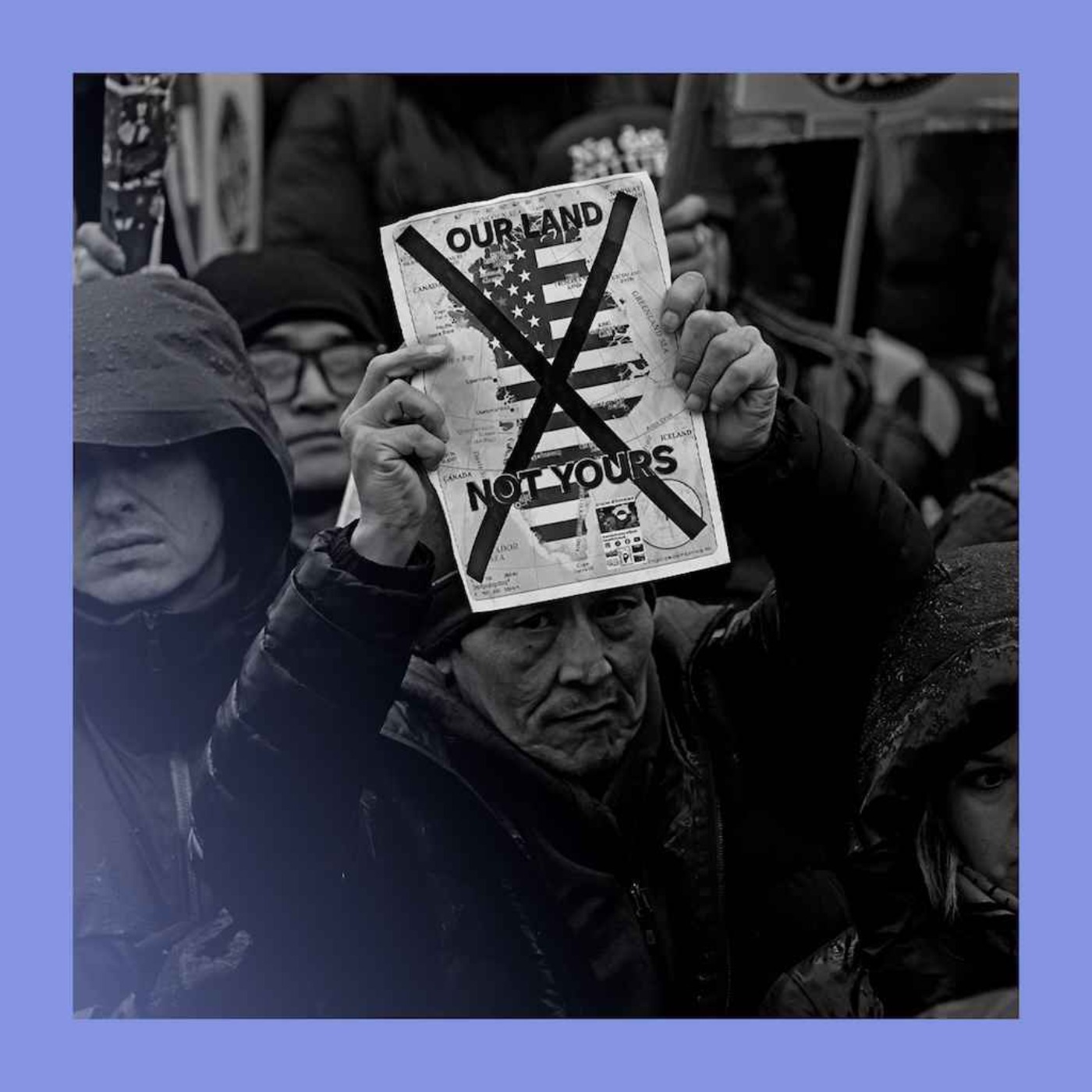
Even when facing severe international backlash, a US president's most controversial foreign policy actions are ultimately limited by unpopularity within their own country and party, which creates significant political and practical consequences that outweigh pressure from allies.
Market focus on the incoming UK Chancellor's identity is misplaced. The Prime Minister's overarching policy agenda will be the primary driver of fiscal direction. The Chancellor's role will be to implement that vision, making the leader's objectives more relevant for markets than the specific cabinet appointee.

While not the top issue for most voters, foreign policy crises serve as a critical test of a commander-in-chief's temperament and decision-making. A major failure can permanently sink approval ratings, as seen with Biden's Afghanistan withdrawal.

Despite accurately identifying severe economic and social challenges facing Britain, Keir Starmer's Labour government has proposed policies considered too small and shallow. There is a significant mismatch between the gravity of his diagnosis and the scale of his proposed solutions, leading to criticism that his administration is not meeting the moment.

Robinson highlights that UK leaders are often elected by a small fraction of the eligible population due to mass voter apathy. He argues this allows governments to rule without a true majority mandate, leading to policies that a large portion of the disengaged public would otherwise oppose.

The UK's rapid turnover of prime ministers, including Keir Starmer's resignation, isn't just political drama. It's a direct consequence of the country's failure to generate economic growth after Brexit, leading to public anger and institutional distrust despite having strong foundational assets.
