Get your free personalized podcast brief
We scan new podcasts and send you the top 5 insights daily.
The UK's rapid turnover of prime ministers, including Keir Starmer's resignation, isn't just political drama. It's a direct consequence of the country's failure to generate economic growth after Brexit, leading to public anger and institutional distrust despite having strong foundational assets.

Related Insights
The UK's influence has plummeted because it no longer brings strength to its alliances. Successive governments have overseen a decline in military power and economic strength, fostering a climate that drives entrepreneurs away. This has made the nation an afterthought in major geopolitical decisions.

High immigration allows politicians to report positive overall GDP growth, creating an illusion of prosperity. However, this masks the reality that per-capita GDP has been stagnant or declining, meaning the average citizen is getting poorer. It is framed as a political tool to obscure a failing economy.
The UK's decline from a top global economy to a "standout weak performer" is attributed to two catastrophic policy decisions. First, implementing austerity during a decade of zero interest rates, when it should have invested for free. Second, the poorly executed economic policy of Brexit, which further hampered growth.

Brexit was sold on the fantasy that sovereignty would grant the UK immense new global choices. In reality, the UK faces the same economic challenges as continental Europe but without the scale of the EU bloc, exposing its status as a minor power.

Despite accurately identifying severe economic and social challenges facing Britain, Keir Starmer's Labour government has proposed policies considered too small and shallow. There is a significant mismatch between the gravity of his diagnosis and the scale of his proposed solutions, leading to criticism that his administration is not meeting the moment.

The Peter Mandelson scandal became a career-ending crisis for UK Labour leader Keir Starmer not in isolation, but because it amplified existing perceptions of his leadership as directionless. It directly contradicted his core political brand of bringing calm and competence, making it a powerful symbol of his failure to deliver on his promises.

UK Labour leader Keir Starmer's survival of a leadership crisis is aided by the lack of a clear, consensus-driven successor. Each potential challenger carries significant political baggage or lacks broad party support. This disunity among would-be challengers gives a weakened incumbent a path to cling to power, despite widespread dissatisfaction.
Despite a major by-election result opening the door for a new Prime Minister, UK gilt markets remain largely unmoved. This demonstrates that bond markets will only price in a political risk premium when there are clear and immediate implications for fiscal policy, which is not yet the case.

Despite claiming growth is its top mission, the UK government is pursuing anti-growth measures. These include making permanent residency harder to obtain, which limits skilled migration, and passing employment bills that increase the difficulty and cost of hiring, directly undermining business expansion.
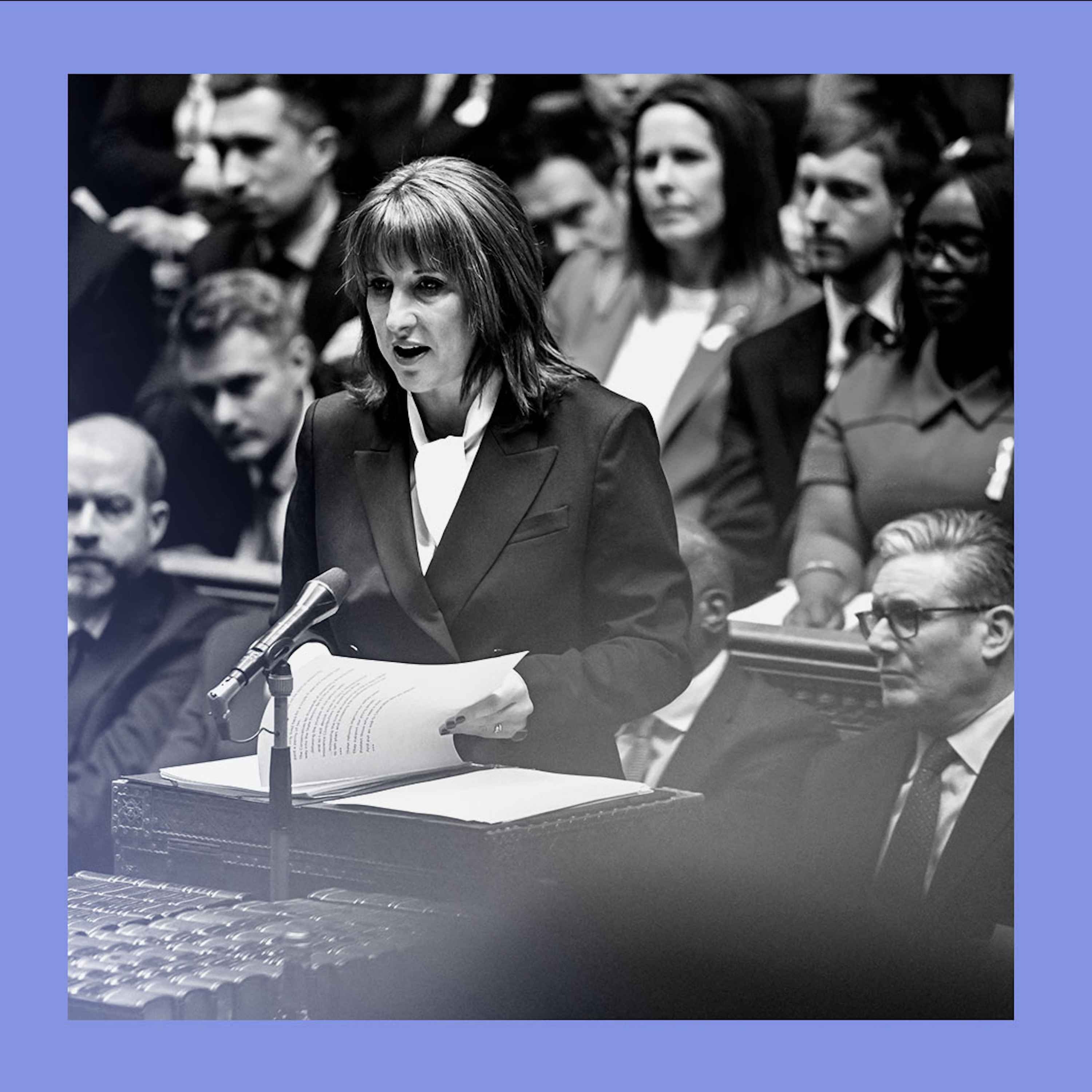
Despite media focus on a recent by-election loss for the governing party, markets remain unfazed. The real catalyst for pricing in a UK political risk premium will be the outcome of the local elections in May. A poor showing then could trigger a leadership challenge, leading to an extended period of uncertainty.