Get your free personalized podcast brief
We scan new podcasts and send you the top 5 insights daily.
While not the top issue for most voters, foreign policy crises serve as a critical test of a commander-in-chief's temperament and decision-making. A major failure can permanently sink approval ratings, as seen with Biden's Afghanistan withdrawal.

Related Insights
A key part of Trump's appeal was his promise to end 'endless wars' and prioritize domestic issues. Engaging in a new Middle East conflict, even if popular with his base initially, directly contradicts this foundational message and risks alienating voters who supported him precisely for his non-interventionist stance.

A president who campaigned against 'forever wars' can be trapped by the political need for a clear victory. If a diplomatic off-ramp isn't found quickly, the pressure to escalate increases, ironically risking the very type of prolonged conflict they opposed.
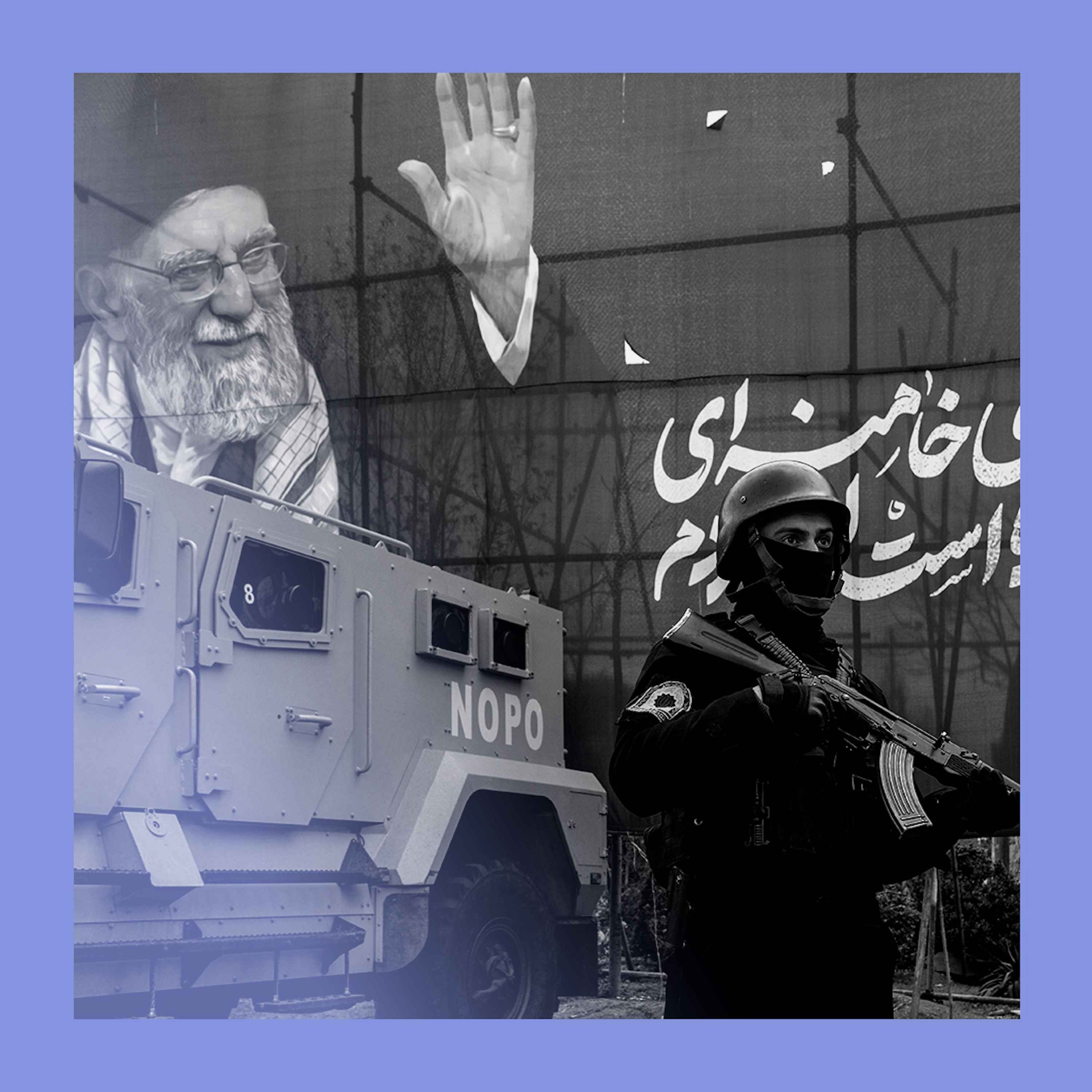
Even when facing severe international backlash, a US president's most controversial foreign policy actions are ultimately limited by unpopularity within their own country and party, which creates significant political and practical consequences that outweigh pressure from allies.

The hosts describe how quickly public support for the Iran conflict evaporated, terming it a "dramatic vibe shift." This demonstrates the extreme fragility of political capital for major actions. Perceived incompetence can cause a supportive narrative to collapse in just 48 hours, long before strategic objectives can be met.
A government's inability to answer basic questions like "Why now?" during a military action is perceived as incompetence. This defensive communication signals a lack of conviction to adversaries, encouraging them to simply endure until American political will collapses.
The host critiques Trump's approach to foreign policy by comparing it to an emotionally driven business leader. Acting tough in the moment provides short-term satisfaction but strategically undermines long-term goals by alienating allies whose help will eventually be needed.

By publicly claiming the war would be quick, easy, and cost-free, President Trump set unrealistic expectations. When the conflict proved more complex, this initial messaging backfired, eroding the public patience necessary to sustain the campaign—a communications failure of his own making.
The inability to execute basic administrative functions, like correctly appointing a prosecutor, is more than just embarrassing—it's a national security risk. It projects weakness and incompetence on the world stage, eroding the 'brand' of American capability and emboldening adversaries who see a clown car instead of a superpower.
A long war with Iran would directly contradict a core promise to his voters: avoiding foreign entanglements. This betrayal, combined with economic fallout, would alienate his base and likely cause a Democratic sweep in the midterms, effectively ending his presidency.

For the general public, the primary metric for judging foreign policy is its impact on their daily life, like the price of gas. Complex geopolitical justifications, such as containing a theocratic regime, are dismissed as irrelevant noise if personal costs rise.