Get your free personalized podcast brief
We scan new podcasts and send you the top 5 insights daily.
The best investors are defined by an ego that is secondary to their intellectual curiosity. They are more interested in understanding what will happen next in the market than in defending a previous thesis. This detachment allows them to change their minds quickly when new information emerges.

Related Insights
Regularly re-evaluate your investment theses. Stubbornly holding onto an initial belief despite new, contradictory information can lead to significant losses. This framework encourages adaptation by forcing you to re-earn your conviction at regular intervals, preventing belief calcification.

Successful investing is a psychological tightrope. It demands the arrogance to believe you can outperform the market, which fuels conviction. Simultaneously, it requires the humility to change your mind, cut losses, and avoid the catastrophic blow-ups that unchecked arrogance can cause.

Most good investors succeed by recognizing patterns (e.g., "SaaS for X"). However, the truly exceptional investors analyze businesses from first principles, understanding their deep, fundamental merits. This allows them to spot outlier opportunities that don't fit any existing mold, which is where the greatest returns are found.
![Luca Ferrari - Building Bending Spoons - [Invest Like the Best, EP.446] thumbnail](https://megaphone.imgix.net/podcasts/b29cbd80-b93a-11f0-a1b7-2b977c9469a2/image/39f7864ea628f71a81b94662bd4a86df.jpg?ixlib=rails-4.3.1&max-w=3000&max-h=3000&fit=crop&auto=format,compress)
Citing Annie Duke, Oren Zeev highlights a critical cognitive bias for investors: the tendency to be "self-validation machines" rather than "truth seekers." Good decision-makers must possess the intellectual honesty to change their minds when presented with new data, rather than interpreting all new information as proof of their original thesis.

The best macro traders (Jones, Druckenmiller, Soros) are defined by their ability to discard a viewpoint the moment facts change, rather than defending it out of ego. This intellectual flexibility is crucial for survival and success, as clinging to a wrong idea is a far greater error than admitting a mistake.

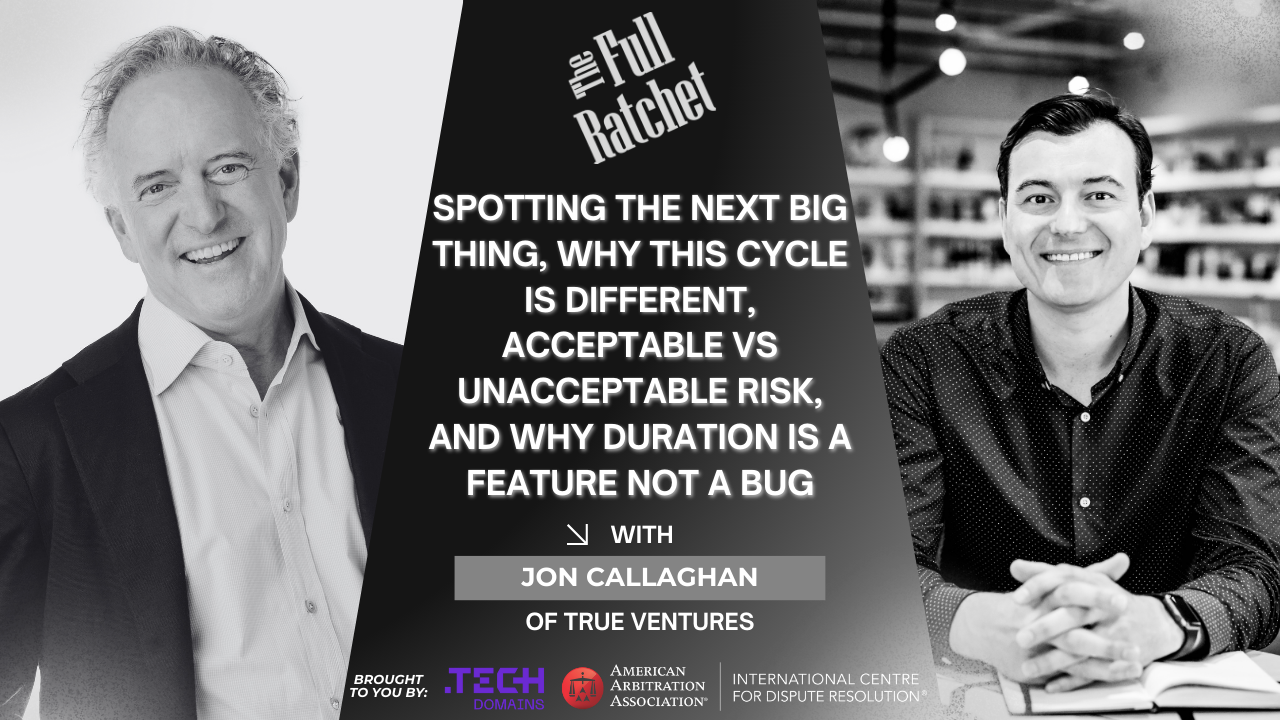
In VC, where being wrong is the norm (80%+ of the time), the most critical trait is not righteousness but deep curiosity. This learning-first mindset is what uncovers non-obvious opportunities and allows investors to see future market shifts before they become mainstream, according to True Ventures' Jon Callaghan.
Successful investing requires strong conviction. However, investors must avoid becoming so emotionally attached to their thesis or a company that they ignore or misinterpret clear negative signals. The key is to remain objective and data-driven, even when you believe strongly in an investment.
In 2008, Howard Marks invested billions with conviction while markets crashed, yet he wasn't certain of the outcome. He held the paradox of needing to act decisively against the crowd while simultaneously accepting the real possibility of being wrong. This mental balance is crucial for high-stakes decisions.
Before committing capital, professional investors rigorously challenge their own assumptions. They actively ask, "If I'm wrong, why?" This process of stress-testing an idea helps avoid costly mistakes and strengthens the final thesis.

Seth Klarman advocates for holding 'multiple inconsistent thoughts' at once. An investor should maintain a top-down awareness that the market might be in a euphoric, expensive bubble while simultaneously executing a bottom-up strategy of finding specific, mispriced bargains. This intellectual flexibility is crucial for navigating complex markets.
