Get your free personalized podcast brief
We scan new podcasts and send you the top 5 insights daily.
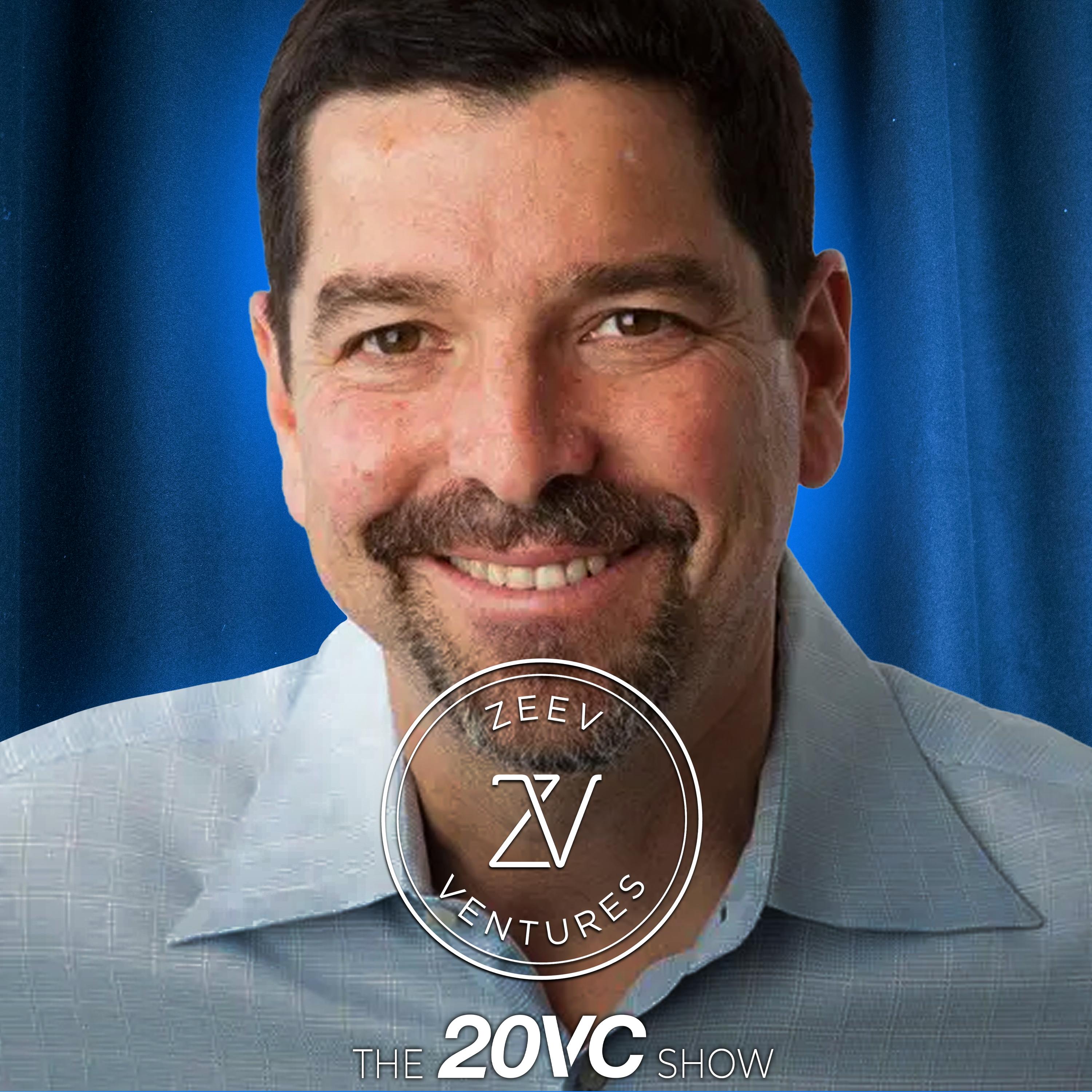
Citing Annie Duke, Oren Zeev highlights a critical cognitive bias for investors: the tendency to be "self-validation machines" rather than "truth seekers." Good decision-makers must possess the intellectual honesty to change their minds when presented with new data, rather than interpreting all new information as proof of their original thesis.
Related Insights
Continuously engaging in vociferous public debates to defend an investment can create intellectual lock-in. This emotional attachment makes it significantly harder to remain objective, think clearly, and ultimately change your mind when new information contradicts your thesis.

Regularly re-evaluate your investment theses. Stubbornly holding onto an initial belief despite new, contradictory information can lead to significant losses. This framework encourages adaptation by forcing you to re-earn your conviction at regular intervals, preventing belief calcification.

Post-mortems of bad investments reveal the cause is never a calculation error but always a psychological bias or emotional trap. Sequoia catalogs ~40 of these, including failing to separate the emotional 'thrill of the chase' from the clinical, objective assessment required for sound decision-making.

The best macro traders (Jones, Druckenmiller, Soros) are defined by their ability to discard a viewpoint the moment facts change, rather than defending it out of ego. This intellectual flexibility is crucial for survival and success, as clinging to a wrong idea is a far greater error than admitting a mistake.

Successful investing requires strong conviction. However, investors must avoid becoming so emotionally attached to their thesis or a company that they ignore or misinterpret clear negative signals. The key is to remain objective and data-driven, even when you believe strongly in an investment.
Our brains are wired to find evidence that supports our existing beliefs. To counteract this dangerous bias in investing, actively search for dissenting opinions and information that challenge your thesis. A crucial question to ask is, 'What would need to happen for me to be wrong about this investment?'

Moving from science to investing requires a critical mindset shift. Science seeks objective, repeatable truths, while investing involves making judgments about an unknowable future. Successful investors must use quantitative models as guides for judgment, not as sources of definitive answers.

Before committing capital, professional investors rigorously challenge their own assumptions. They actively ask, "If I'm wrong, why?" This process of stress-testing an idea helps avoid costly mistakes and strengthens the final thesis.

When emotionally invested, even seasoned professionals can ignore their own expertise. The speaker, a researcher, sought validation from biased sources like friends instead of conducting objective market research, proving that personal attachment can override professional discipline.

To prevent reactive emotions and confirmation bias, adopt a strict personal rule: it is "illegal" to form an interpretation or an emotional response until you have gathered all available information. This forces a pause for critical thinking and objectivity before solidifying a perspective.
