Get your free personalized podcast brief
We scan new podcasts and send you the top 5 insights daily.
Many promising biomarkers are merely correlated with a disease, not a cause. Developing effective drugs requires targeting mechanisms with a direct causal effect on the outcome. This distinction is so critical that Valo Health has a "Chief Causal AI Officer" role to emphasize the focus.
Related Insights
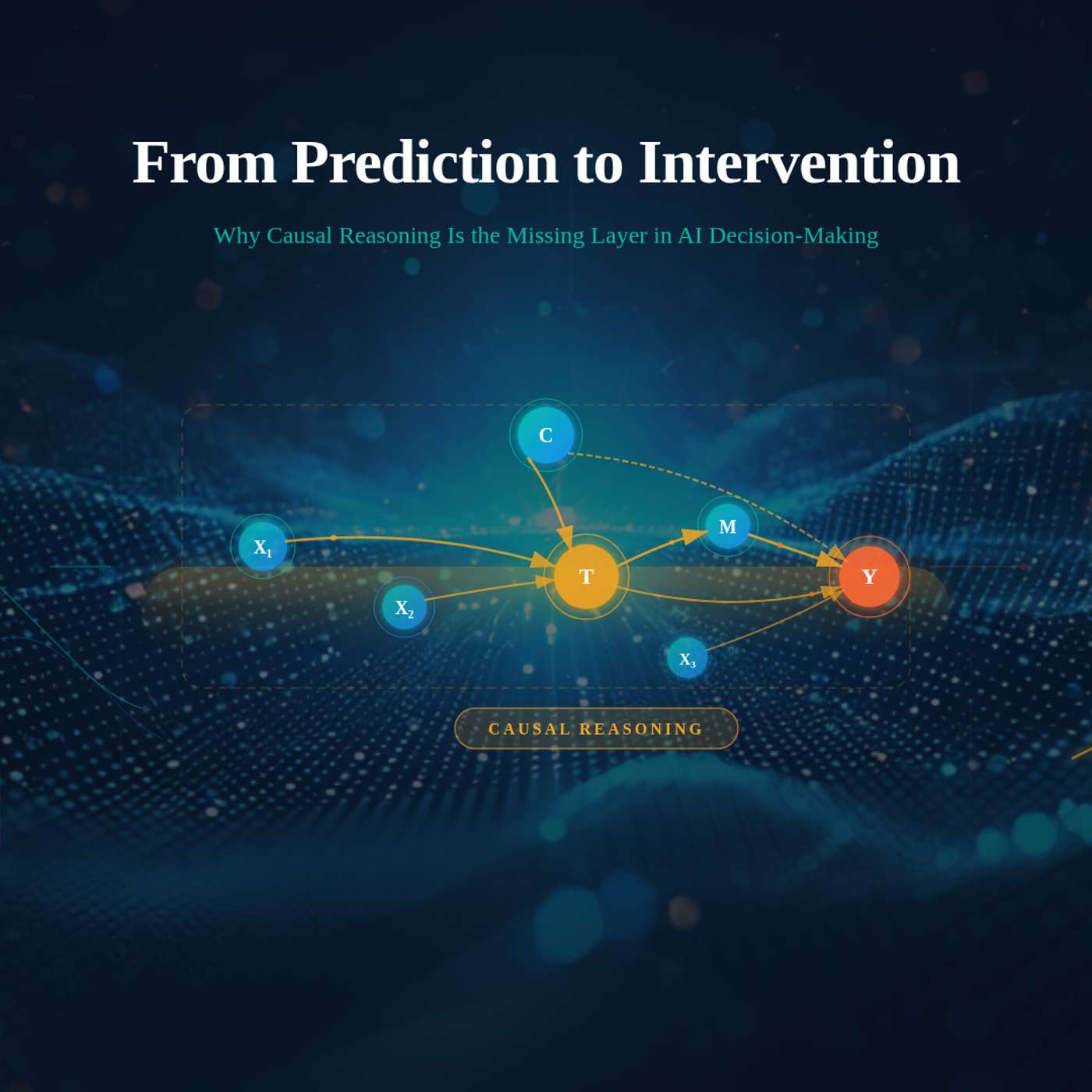
Predictive models often mistake correlation for causation, leading to poor decisions. For example, a model might link marketing spend to revenue, but causal analysis can reveal that customer seasonality is the true cause of both. This deeper understanding prevents wasteful investments based on misleading correlations.
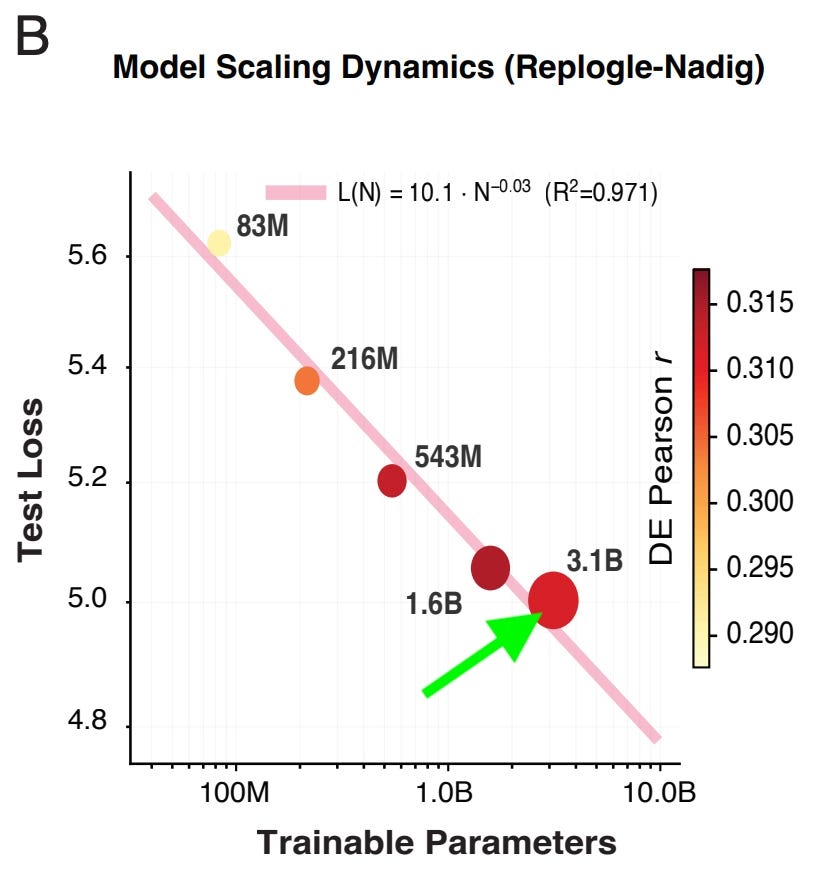
Standard AI models trained on public, observational biological data excel at descriptive tasks but underperform even linear models on causal predictions. To predict cellular responses to drug-like perturbations, models must be trained specifically on causal data generated from targeted experiments.
In a skeptical, regulated industry, simply predicting an outcome is insufficient. Causal AI is non-negotiable because it provides a 'glass box' explanation for its recommendations. It connects outputs to data points and biological reasoning, satisfying the critical 'why' questions from both sponsors and regulators.
Beyond identifying potential drug targets, Moonwalk uses AI to analyze why some targets succeed in animal models while others fail. By feeding its proprietary biological data into large models, the team gains insights into pathways and mechanisms. This deeper understanding helps prioritize candidates and allows the AI to suggest novel, related targets.

AI models trained on descriptive data (e.g., RNA-seq) can classify cell states but fail to predict how to transition a diseased cell to a healthy one. True progress requires generating massive "causal" datasets that show the effects of specific genetic perturbations.

Despite AI's power, 90% of drugs fail in clinical trials. John Jumper argues the bottleneck isn't finding molecules that target proteins, but our fundamental lack of understanding of disease causality, like with Alzheimer's, which is a biology problem, not a technology one.

While there's ample evidence from lab experiments (causal, but not human) and patient data (human, but not causal), the most promising drug targets are found where these two overlap. This "human causal evidence" is rare and difficult to obtain, but provides the strongest signal for success.
Achieving explainability in AI for drug development isn't about post-hoc analysis. It requires building models from the ground up using inherently interpretable data like RNA sequencing and mutational profiles. When the inputs are explainable, the model's outputs become explainable by design.
Recent AI advancements in biotech are less about new algorithms and more about reaching a critical threshold of complete, high-quality data from electronic health records. This allows AI to extract genuine insights rather than just compensating for historical data shortcomings.
Many diseases have well-understood genetic causes but lack effective treatments. Genesis CEO Evan Feinberg argues this makes drug discovery the most impactful area for AI, as it directly addresses the bottleneck of creating selective therapies for known targets where no medicine currently exists.