Get your free personalized podcast brief
We scan new podcasts and send you the top 5 insights daily.
The Trump administration's tariffs against Canada, intended to force a new deal, have had the opposite effect. The aggressive posture has created a "rally around the flag" effect among Canadians, increasing the popularity of their leadership and giving them more political capital to resist a bad deal.

Related Insights
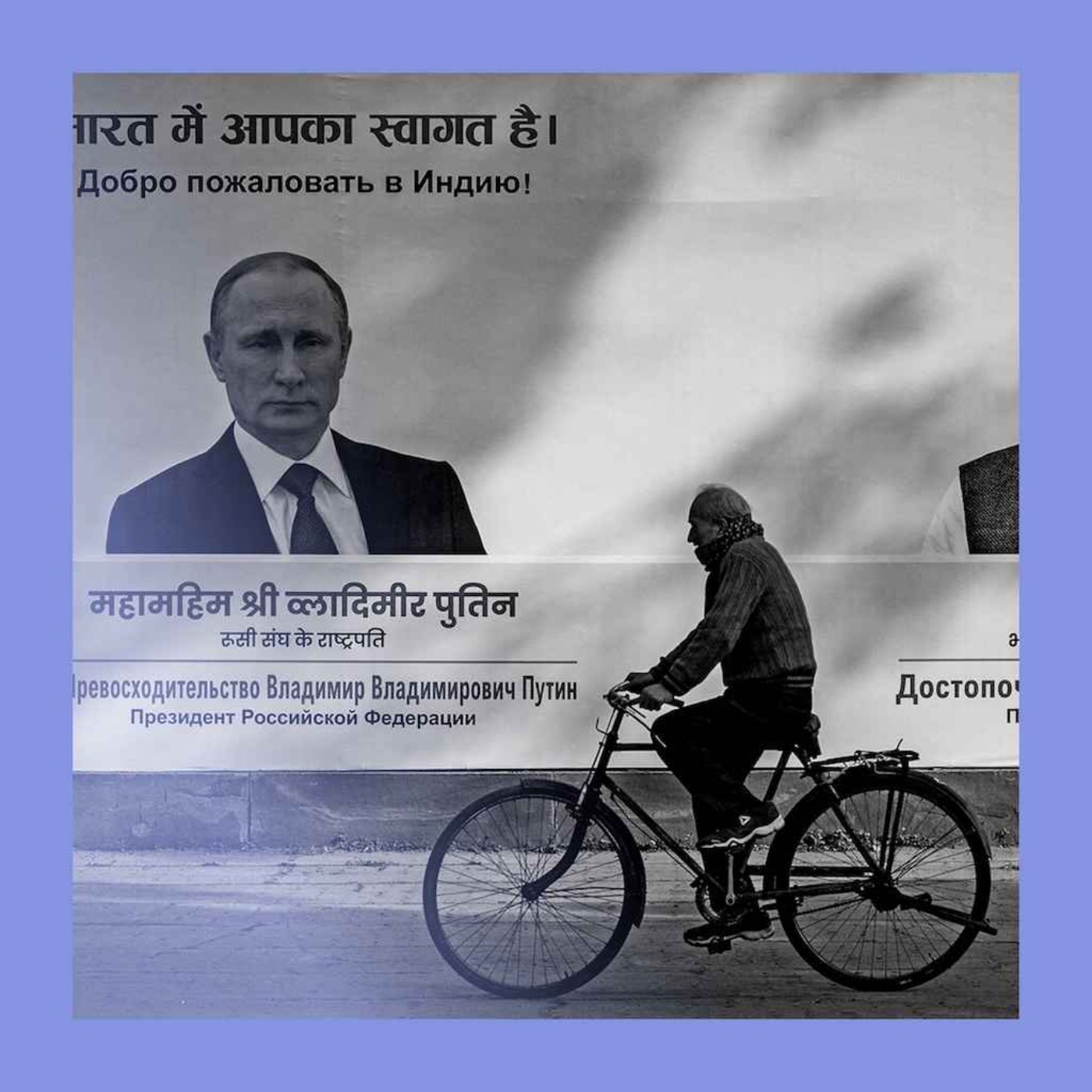
US tariffs, specifically a 50% tariff on India, have pushed Prime Minister Modi to publicly reinforce ties with Russia's Putin. This geopolitical shift is not just based on historical allegiance but is a direct strategic reaction to US economic pressure, demonstrating how "America First" policies can unintentionally benefit adversaries.
Amidst a decade-long economic decline, Canada's decision to match US tariffs is an emotionally satisfying but economically suicidal policy. A weaker nation picking a fight with its largest trading partner prioritizes political posturing over the financial well-being of its own citizens.

Canada's rejection of a U.S. trade deal was heavily influenced by Trump's "51st state" rhetoric, perceived as an attack on its sovereignty. This shows that in diplomacy, avoiding psychological offense and protecting the other party's self-image is as important as the economic terms.
Chrystia Freeland's strategy with the Trump administration rejected both appeasement and reckless escalation. The approach was to be respectful and find mutual interests, but also hold firm on core principles and retaliate proportionately to unacceptable pressure, as Canada did with steel tariffs.

The trade dispute over the Gordie Howe Bridge has angered the Canadian public, who perceive America's tactics as bullying. This sentiment is pressuring Canada's government to adopt a more aggressive, "elbows up" negotiating stance, inspired by the hockey player the bridge is named after, Gordie Howe.

Unlike previous administrations that used trade policy for domestic economic goals, Trump's approach is distinguished by his willingness to wield tariffs as a broad geopolitical weapon against allies and adversaries alike, from Canada to India.

Donald Trump targeted the Gordie Howe Bridge, a C$6 billion project entirely funded by Canada, to create a trade dispute. He forced a "new deal" over future profit sharing, which is unlikely to materialize for decades. The maneuver served primarily to create a political victory with little tangible gain.
A key to any deal is ensuring the other party can frame it as a win and protect their self-image. Forcing someone to accept terms that make them look weak, as Trump did with Canada by calling it the "51st state," is a recipe for failure, even if the deal is economically sound.
During NAFTA talks with the Trump administration, Canada didn't just deal with the executive branch. It actively engaged Congress, governors, unions, and businesses to build broad support for the relationship, effectively creating a network of influence around a single, powerful counterpart.
Trump’s strategy of publicly belittling and bullying both adversaries and allies is proving ineffective. Rather than forcing compliance, this 'smash and grab' approach creates unintended consequences, pushing traditional partners like Spain and Canada closer to economic rivals like China.
