Get your free personalized podcast brief
We scan new podcasts and send you the top 5 insights daily.
Iran isn't blockading everyone, but specifically targeting the U.S. and its allies. This politically savvy move forces the U.S. to seek help from allies who may not see it as their problem, thereby exposing fractures in Western alliances.

Related Insights
Despite being the weaker military party, Iran's ability to inflict persistent pain on regional shipping and U.S. allies gives it leverage. To secure a ceasefire, the U.S. may have to offer incentives like sanctions relief, allowing Iran to turn military weakness into diplomatic strength.

By attacking just a few ships, Iran creates enough perceived risk to make insurance carriers unwilling to cover vessels transiting the Strait of Hormuz. This effectively disrupts 20% of the world's oil supply without needing a large-scale military blockade, a key tactic in asymmetric economic warfare.

The podcast argues that Trump's aggressive, transactional relationship with allies has backfired. When he needed their help to secure oil flow through the Strait of Hormuz, they refused, demonstrating that past bullying erodes trust and cooperation even when mutual interests are at stake.
Iran's strategy is not purely defensive. It is actively trying to escalate the conflict and draw in more countries by targeting other nations, such as firing a missile towards Turkey, a NATO member. This tactic aims to increase the political and military cost for the United States.

The US military action, especially the blockade of the Straits of Hormuz, is harming Gulf nations economically. Instead of strengthening an anti-Iran coalition, this 'half-baked' approach is eroding goodwill and pushing these crucial partners away, undermining the primary strategic benefit of the operation.

The US has long used the threat of military force to keep the Strait of Hormuz open. By failing to act despite a large naval presence, it has revealed this deterrent is hollow. This hands Iran a proven economic weapon and erodes the credibility of US power projection globally.

Iran doesn't need a naval blockade to close the Strait of Hormuz. The mere threat of drone and missile attacks is enough to deter shippers and insurers, creating a "de facto closure." This asymmetrical strategy highlights how psychological warfare can be as effective as direct military action in disrupting global trade.
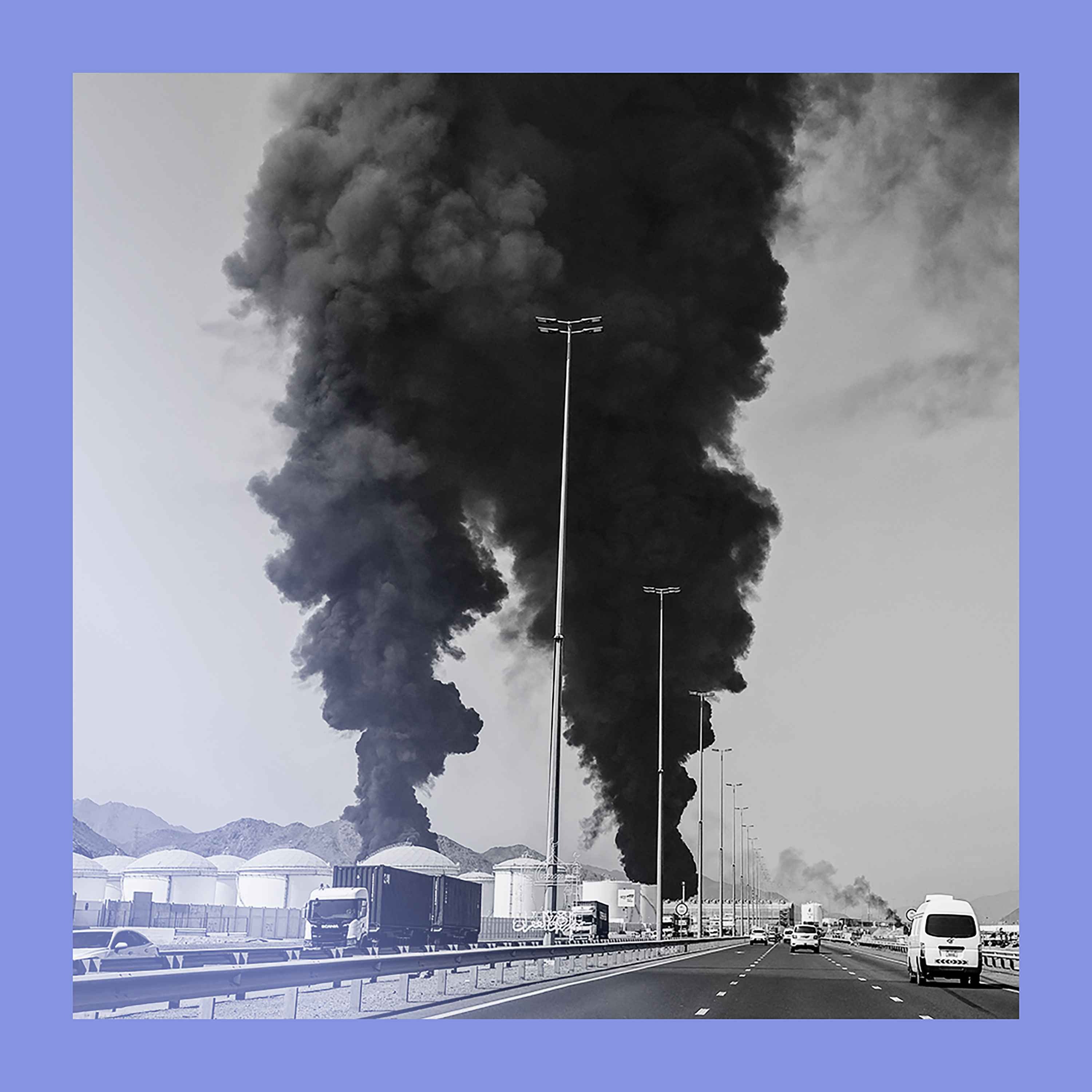
Instead of only retaliating directly against a superior military power like the U.S., Iran escalates "horizontally." It uses drones and missiles to attack the economic interests (tourism, airports) of U.S. allies, pressuring them to expel American forces from their countries.

Iran employs inexpensive weapons against shipping in the Strait of Hormuz. This asymmetric strategy avoids direct military confrontation while making the risk too high for insured commercial vessels, effectively closing the strait without a formal blockade.

The US cannot secure the Strait of Hormuz alone. The solution is a US-led military convoy that includes allies like Japan and South Korea, and even unconventional partners like China, who are heavily dependent on the oil route. This international presence creates a stronger deterrent and shares the burden.