Get your free personalized podcast brief
We scan new podcasts and send you the top 5 insights daily.
While observing suffering typically activates empathy circuits, the brain's reward system activates if the person is perceived as a wrongdoer. This biological mechanism creates a powerful, lust-like desire to see punishment enacted, which psychologist Kathryn Paige Harden refers to as a "cruelty currency."

Related Insights
fMRI studies show the brain's pleasure centers activate when consuming high-status products, releasing dopamine. This proves the pursuit of status is a measurable biological function, not a sign of vanity. Critiquing it as a moral flaw is as misguided as the Victorian-era demand for chastity.

Normally, dopamine signals positive outcomes. However, in extreme survival states like starvation, its function inverts to signal punishment prediction errors. This powerfully reinforces learning about and avoiding threats rather than seeking rewards, ensuring survival takes precedence over all other goals.
Dopamine is often misunderstood as a 'pleasure molecule.' Its more crucial role is in motivation—the drive to seek a reward. Experiments show rats without dopamine receptors enjoy food but won't move to get it, starving to death. This seeking behavior is often triggered by the brain's craving to escape a dopamine deficit state.
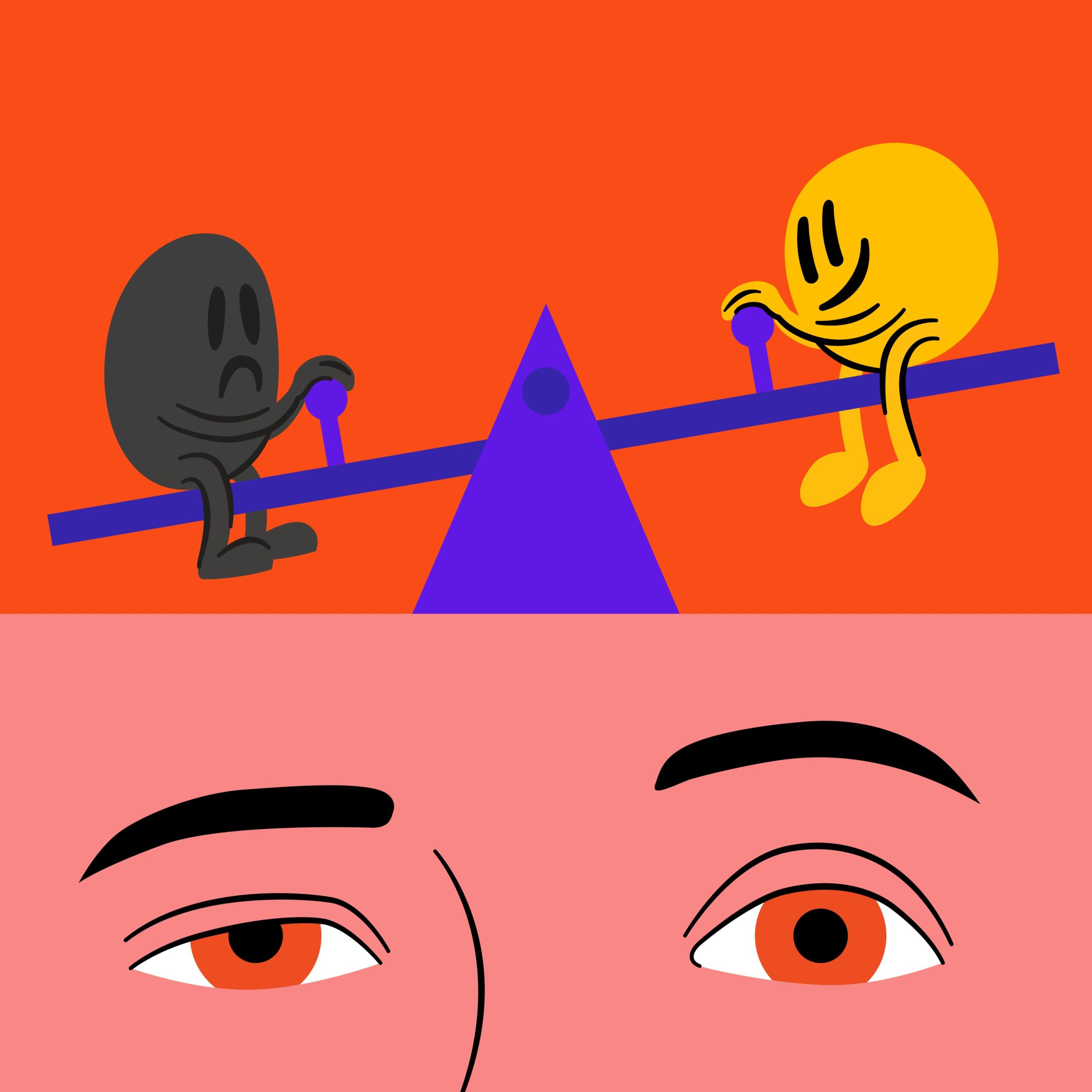
When people are unwilling or unable to feel their own emotional pain, they often transform it into actions that cause pain to others. This applies to individuals lashing out and leaders giving their followers someone to hate.

A data analysis of emotions in advertising revealed that ads evoking schadenfreude (pleasure at others' misfortune) are the most effective at driving action. Conversely, ads depicting someone being pleased for others are the least effective.

A neuroscience study revealed that when subjects could choose an emotion to have stimulated in their brains, they universally chose anger. This is because anger provides a feeling of clarity and purpose, eliminating the uncomfortable states of anxiety and uncertainty that people hate.

A powerful experiment showed a rat will stop working to free a trapped peer if it can self-administer heroin instead. This demonstrates how high-dopamine drugs can hijack and override our innate drive for social connection, causing people to deviate from their moral compass and stop caring about others.

Anger is the emotion people are most likely to self-stimulate because it provides a potent neurological shortcut. It replaces anxiety and uncertainty with a feeling of clarity, energy, and focus, making it a tempting but dangerous short-term solution to complex problems.

Much online outrage stems not from genuine grievance but from the intoxicating feeling of moral superiority that comes from judging others. By declaring someone else immoral, you implicitly elevate your own standing, making anger a pleasurable and self-affirming mindset.

A brain study revealed people prefer anger over joy or love. Anger is neurologically rewarding because it offers a simple, powerful feeling of being right and morally superior, making it a potent tool for political mobilization and a driver of tribalism.