Get your free personalized podcast brief
We scan new podcasts and send you the top 5 insights daily.
The U.S. intervention in Venezuela demonstrates its willingness to act decisively in the Western hemisphere. This display of power provides the U.S. with increased leverage in USMCA trade negotiations, enabling it to push Mexico harder on limiting Chinese investment and influence.

Related Insights
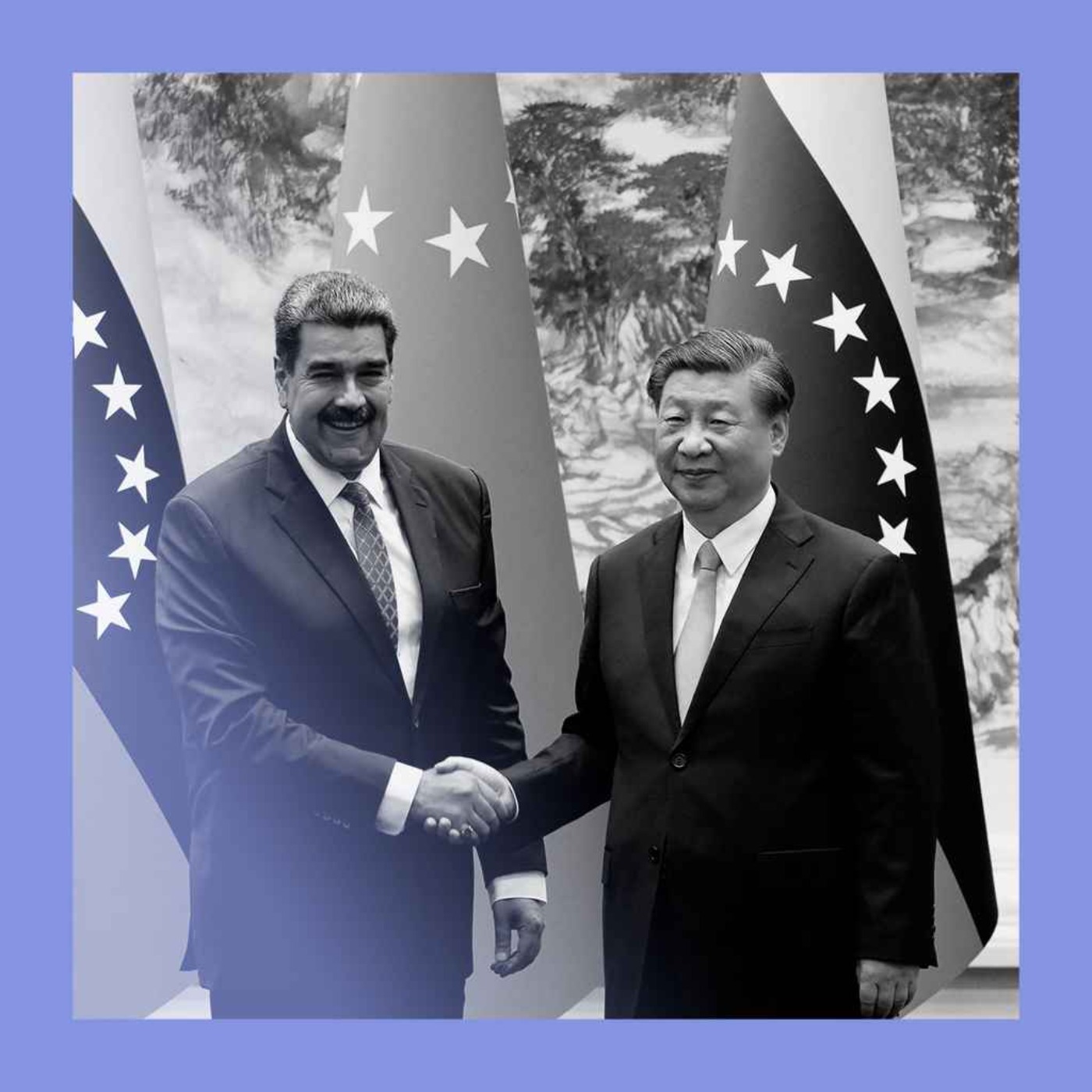
By offering only rhetorical support to its ally Venezuela, China reveals the practical limits of its global power. This inaction signals to other nations that a 'friendship' with China does not guarantee robust intervention in a crisis, especially outside of its core strategic interests in Asia.
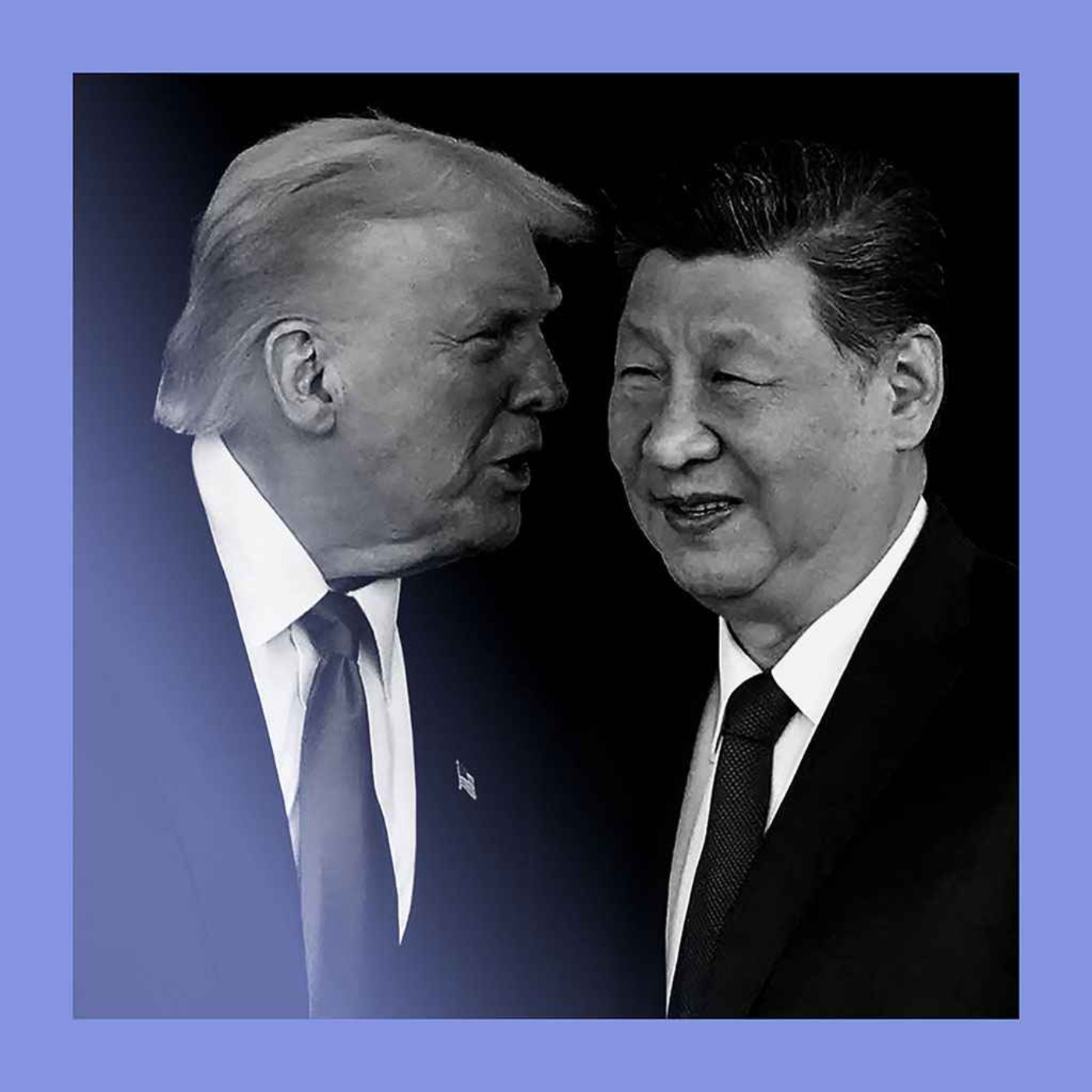
While publicly announcing a trade truce with China, the Trump administration simultaneously signed deals with other Asian nations to diversify supply chains and bolster defense partnerships, effectively preparing for future confrontation with Beijing.
The American action in Venezuela was likely a strategic message to other nations, particularly in Latin America, that an alliance with China does not guarantee protection from US intervention and may carry unforeseen downsides.
The public narrative of fighting a "war on drugs" in Venezuela is a distraction. The true purpose of the US military consolidation in the Caribbean is to project power against China, which has massive investments, shipping routes, and influence in the region. The conflict is a strategic message in an undeclared cold war.

The U.S. intervention in Venezuela reflects a broader domestic trend of fast, unilateral policymaking via executive authority. This pattern bypasses congressional consensus-building, heightening policy uncertainty and systemic risk premiums for investors across all sectors.
The public narrative of fighting narco-terrorism in Venezuela is a red herring. The true strategic goal is to justify a U.S. military presence in the Caribbean to counter China's growing economic and military investments in the region, including control of key shipping routes and military partnerships.

The US troop buildup near Venezuela isn't just about oil; it's a strategic move to counter China's growing economic influence in South America. China is establishing a gold-backed currency network, and the US is using military leverage on Venezuelan allies to disrupt this challenge to its hemispheric dominance.

The conflict is not primarily about oil or drugs, but a strategic move to reassert U.S. dominance in the Western Hemisphere. As China solidifies its influence in the East, the U.S. is 'drawing a line' to counter China's partnerships (like with Venezuela) in its own sphere of influence.

The Trump administration's renewed focus on Latin America, as detailed in its national security strategy, could inadvertently signal a reduced US geopolitical focus on China's sphere of influence. Beijing may interpret this as an opportunity to play the long game on Taiwan, avoiding immediate retaliation over Venezuela.

The latest US-China trade talks signal a shift from unilateral US pressure to a negotiation between equals. China is now effectively using its control over critical exports, like rare earth minerals, as a bargaining chip to compel the U.S. to pause its own restrictions on items like semiconductors.
