Get your free personalized podcast brief
We scan new podcasts and send you the top 5 insights daily.
Listen Labs found that every company, even one with broad appeal like Sweetgreen, has a power-law distribution in its customer base. The most valuable research comes from identifying and targeting the hyper-specific niche (e.g., urban, high-income females who know what seed oils are) that drives 80% of revenue.

Related Insights
Numi's undershirts are used by nurses, flight attendants, and menopausal women, but their marketing focuses narrowly on the "professional woman." This avoids diluting the message. Trying to speak to everyone results in speaking to no one; a narrow focus creates a stronger brand identity and more effective campaigns.
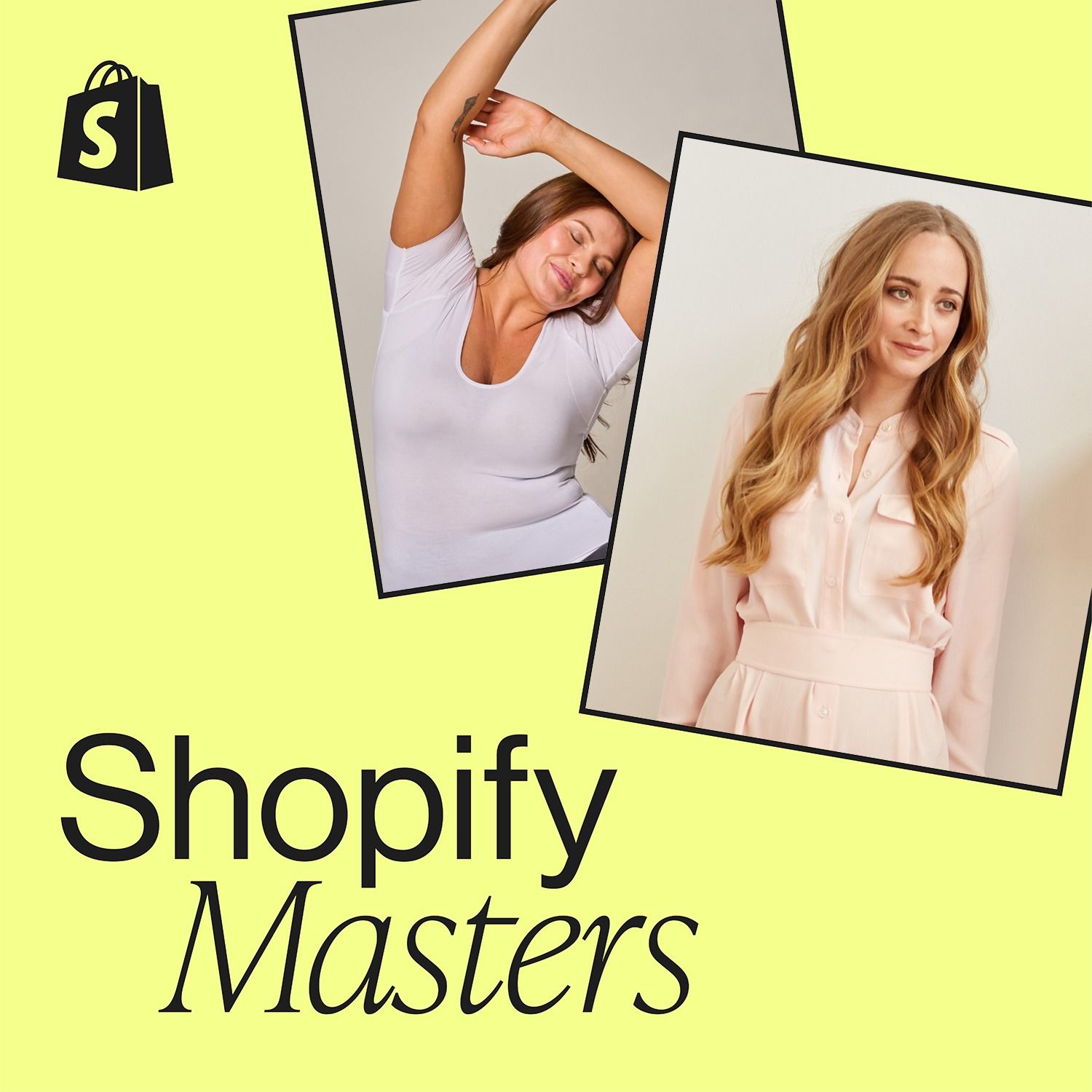
Despite concerns they were alienating male customers, the founders followed key advice to "double down on being niche." Focusing intently on a specific female persona allowed them to build a stronger, more intentional brand identity that ultimately created a cult following.

Contrary to the belief that clean beauty appeals primarily to younger demographics, 80% of Sonsie's customers are 45+. This audience, often transitioning from legacy luxury brands, is receptive to Sonsie's accessible price point, transparency, and high-performance formulas without heavy fragrances.

Instead of marketing to fragmented individuals, find niche communities whose core values align with your product's unique benefits. Converting these groups, like scrapbookers for a no-tape gift wrap, can spread your message like wildfire because they are powerful word-of-mouth amplifiers.

Instead of pre-selecting a niche, start broad. Analyze your client base using the 80/20 rule to find where you achieve the highest profit for the least effort. Layering this data with where you feel most successful and can guarantee results reveals the correct niche to pursue.

Don't try to reach everyone. Concentrate your marketing budget on the small group of individuals who set trends and influence the purchasing decisions of the masses. This target has shifted from radio DJs to social media creators like Alex Earle.

Taza's attempts to go mass-market with lower prices or "fun flavors" failed. They found success by listening to their core customers who wanted intense cacao flavor. Their #1 selling product, a 95% dark bar, proved the value of doubling down on their super-niche identity.
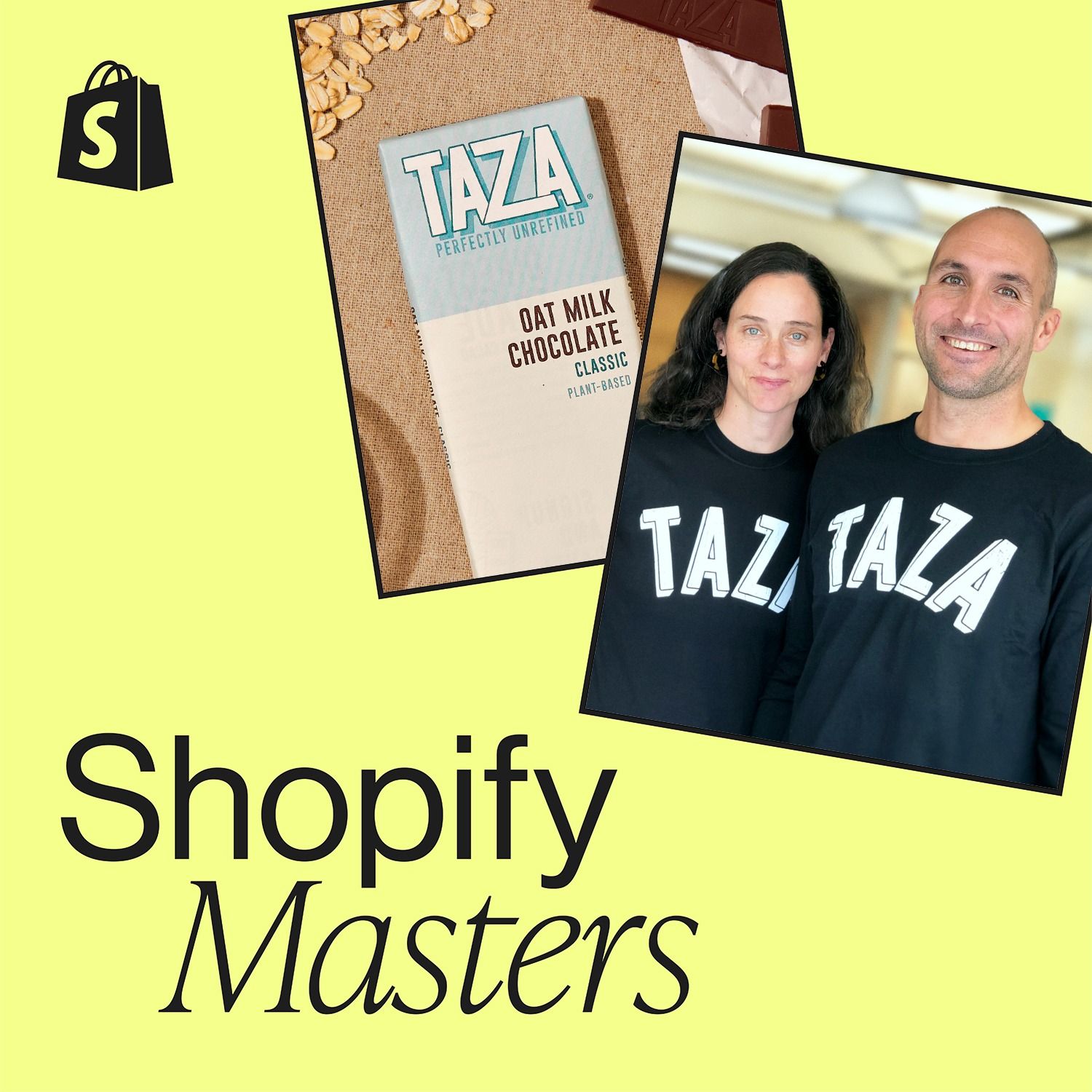
Niching down doesn't limit your market; it clarifies your value proposition for an ideal customer. This extreme specificity about your product's strengths and weaknesses also appeals to a much larger adjacent audience, who can now confidently evaluate your trade-offs and decide to buy.

User Interviews found its GTM focus by first identifying its best existing customer persona (researchers). They then analyzed the market and found a significant gap in content and community serving that audience, creating a clear opportunity to establish authority and win them over.

Once Upon a Farm targets "first-time moms," who are the most discerning and research-intensive customers. While difficult to acquire, their trust is invaluable. Once convinced, they become powerful brand evangelists, leveraging word-of-mouth to drive significant growth among their peers.
