Get your free personalized podcast brief
We scan new podcasts and send you the top 5 insights daily.
Once Upon a Farm targets "first-time moms," who are the most discerning and research-intensive customers. While difficult to acquire, their trust is invaluable. Once convinced, they become powerful brand evangelists, leveraging word-of-mouth to drive significant growth among their peers.

Related Insights
Businesses often waste resources trying to convince skeptics. The real growth opportunity lies in identifying and capturing the small but significant market segment that is already looking for a solution like yours. Don't convince; find and convert those who already have conviction.

Proving that a hero product can come from an unexpected category, Mamaearth's initial major success was not a mainstream beauty item but a mosquito repellent for children. This product solved a very specific and high-pain problem for parents, driving the company's early growth and demonstrating the power of niche problem-solving.

The brand avoids direct sales pitches in its content. Instead, it provides value by publishing hundreds of free recipes. This "give first" strategy builds trust and a long-term relationship, leading to organic purchases when consumers are ready to buy at the supermarket.
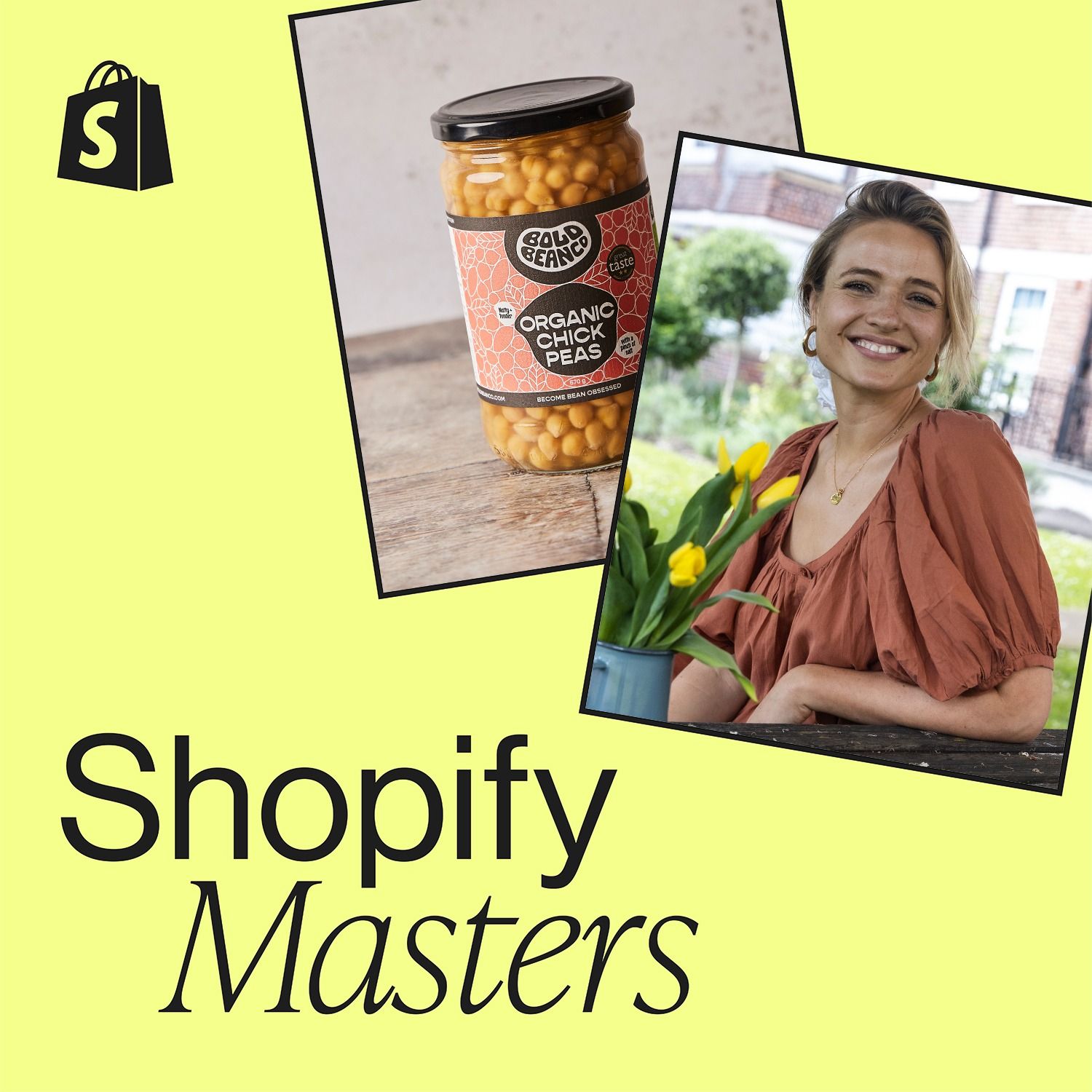
Instead of diluting messaging to appeal to everyone, embrace what makes your product unique—even a polarizing ingredient. Targeting the passionate niche who loves that ingredient creates powerful evangelists and a strong initial base, which is more effective than achieving a broad, lukewarm reception.
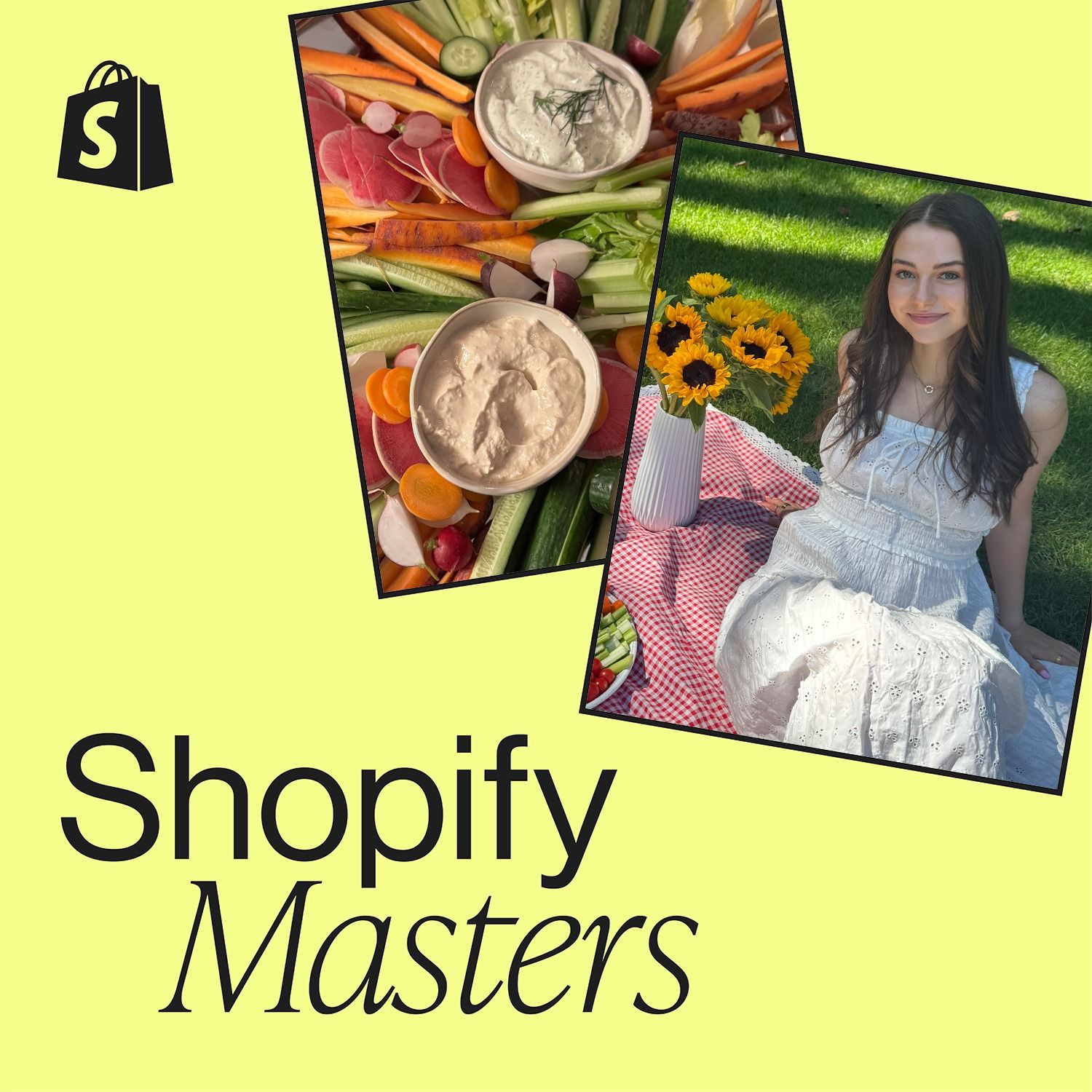
To achieve authentic, word-of-mouth growth, Olipop's social media strategy intentionally relies on real customers. A full 70% of its content creators are first-timers, not professional influencers. This ensures the brand's messaging feels genuine and resonates with its audience, fostering high brand affinity.
Instead of mass-market appeal, La Colombe focused on becoming the coffee supplier for the world's best restaurants. They believed that if they could win over the most discerning palates, their reputation for quality would cascade down to the general public, creating an unassailable brand.

For new food brands with a great product, the highest ROI comes from getting people to taste it. Self-funded companies can leverage their longer timeline to build a loyal customer base through a robust sampling program, delaying expensive and less effective paid media buys.
The baby food brand strategically places its products (pouches, bars, frozen meals) in various aisles. This "all-aisle" approach creates multiple touchpoints during a single shopping trip, acting as an effective in-store advertisement that drives cross-category sales and grows with the customer.
Co-founder Sarah Foster reveals that micro-influencers with authentic, engaged audiences have been far more effective at driving sales than celebrities with millions of followers. This highlights the superior ROI of niche creators who have built genuine trust within their communities, proving reach doesn't always equal results.

For a niche product like non-fluoride toothpaste, the strategy is not to change everyone's habits at once. Instead, hyper-focus on a pre-existing community—a 'tribe' that already shares strong beliefs and will act as natural evangelists, amplifying the product's message organically within their network.