Get your free personalized podcast brief
We scan new podcasts and send you the top 5 insights daily.
Instead of competing in a crowded field on standard terms, redefine the competitive landscape. Build your strategy around a game that only you can win, where your firm's unique capabilities—like talent development or add-on execution—become the most important factors for success.

Related Insights
Instead of copying what top competitors do well, analyze what they do poorly or neglect. Excelling in those specific areas creates a powerful differentiator. This is how Eleven Madison Park focused on rivals' bad coffee service to become the world's #1 restaurant.

Prepared realized it couldn't win against GovTech incumbents on their terms of sales relationships and lobbying. Their strategy was to fundamentally shift the competition. By offering a free, easy-to-use product, they forced the purchasing decision to be about technology quality, an arena where they could excel.

When launching into a competitive space, first build the table-stakes features to achieve parity. Then, develop at least one "binary differentiator"—a unique, compelling capability that solves a major pain point your competitors don't, making the choice clear for customers.

Startups often fail by making a slightly better version of an incumbent's product. This is a losing strategy because the incumbent can easily adapt. The key is to build something so fundamentally different in structure that competitors have a very hard time copying it, ensuring a durable advantage.
![Palmer Luckey - Inventing the Future of Defense - [Invest Like the Best, CLASSICS] thumbnail](https://megaphone.imgix.net/podcasts/f7c9aa8e-cb8d-11f0-828e-0b281809c10a/image/cc07f91ec47f95abbde771a4956b37b7.jpg?ixlib=rails-4.3.1&max-w=3000&max-h=3000&fit=crop&auto=format,compress)
The fundamental goal is to become a "better competitive alternative" for a specific customer—being so superior that they bypass competitors to choose you. Achieving this state is the business equivalent of the house advantage in a casino (“the house vig”) and the only reliable way to build a lasting enterprise.

When facing massive incumbents, avoid the trap of creating a slightly better version of their product. Instead, focus on being fundamentally different. Gamma chose to break the 16x9 slide paradigm that PowerPoint established, creating new primitives for visual communication.

Instead of matching rivals' strengths, identify their weaknesses or overlooked details, like a poor coffee program. Focusing on these neglected areas allows you to create a unique, best-in-class experience and gain a competitive foothold. Guidara's team calls this 'reverse benchmarking.'

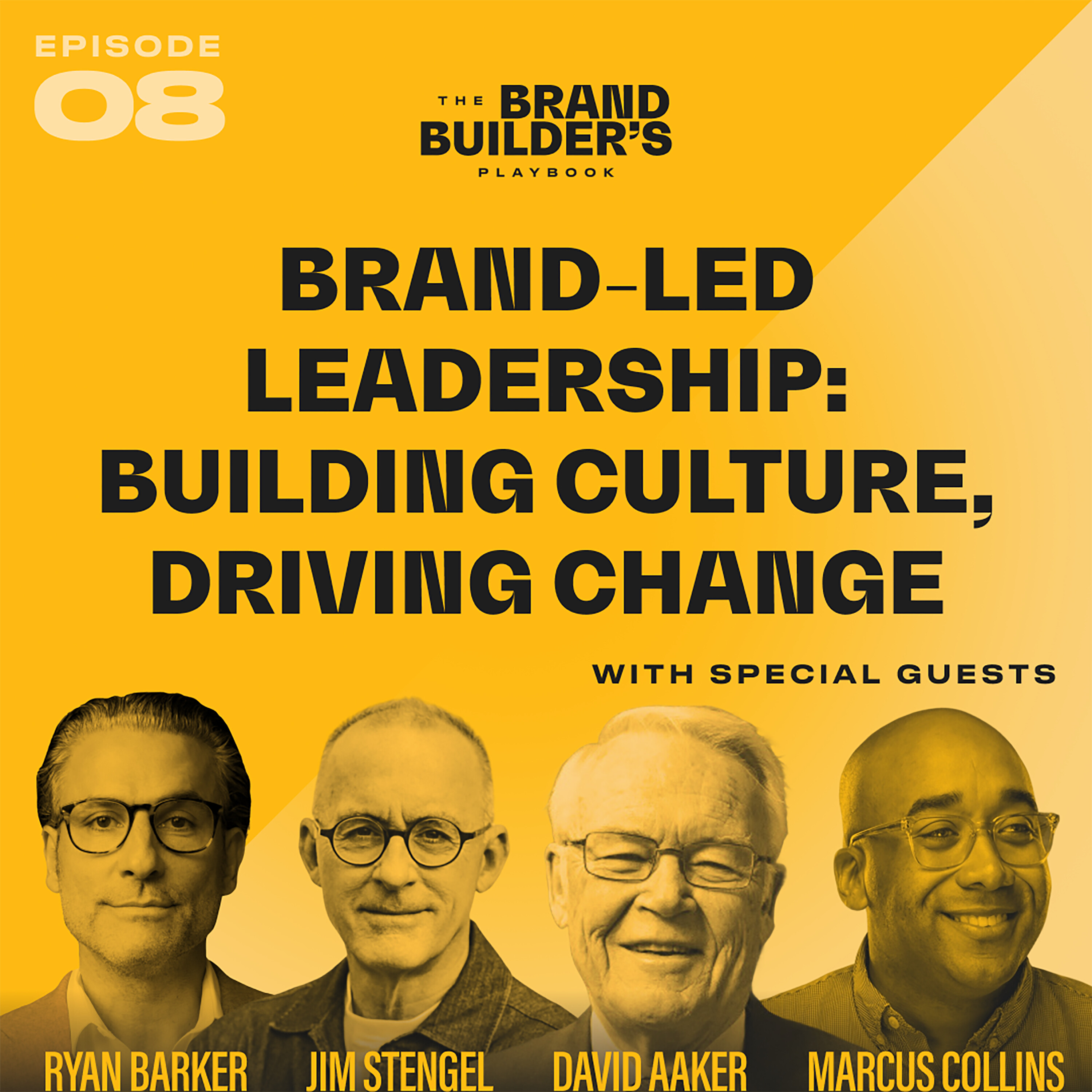
David Aaker identifies a simple, powerful tactic: ask your team what makes the company special—its "secret sauce"—and turn that into a formal brand asset. He argues even abstract concepts, like a unique way of treating people, can be branded (e.g., "the HP way") to create a potent, ownable differentiator.
Don't just list all your features. To build a strong 'why us' case, focus on the specific features your competitors lack that directly solve a critical, stated pain point for the client. This intersection is the core of your unique value proposition and the reason they'll choose you.

If your product category becomes commoditized, redefine your business around your core expertise. A kombucha maker isn't just selling a drink; they are in the 'probiotics' or 'gut health' business. This strategic reframing can unlock higher-margin opportunities like consulting and R&D.
