Get your free personalized podcast brief
We scan new podcasts and send you the top 5 insights daily.
When recruiting talent, inquiring about an applicant's self-directed curiosity with AI can streamline hiring decisions. Daniel Priestley notes that he asks candidates how deep they are in the AI rabbit hole, hiring those who actively explore the tools.

Related Insights
To find truly AI-native PMs, ask candidates what parts of their daily work they have automated. The spectrum of answers—from simply using a web UI to building a full agentic orchestrator—reveals their true level of craft and immersion in AI.

Because AI can rapidly accelerate learning, hiring priorities should shift from what a candidate already knows to their raw intelligence, hunger, and work ethic. This 'slope' (potential) is now more valuable than their 'intercept' (current knowledge), expanding the viable talent pool.

A top VC's most important interview question is now "How have you used AI in your daily life this week?" The key is identifying individuals who are running towards the new technology and embracing change. This mindset is uncorrelated with age or seniority, making it the most critical hiring signal.

For roles leveraging new technologies like AI, where tools are nascent and constantly changing, competency is a fleeting metric. Instead, hire for curiosity. A curious mind will adapt, learn, and master new tools as they emerge, making them a more valuable long-term asset.

To assess a product manager's AI skills, integrate AI into your standard hiring process rather than just asking theoretical questions. Expect candidates to use AI tools in take-home case studies and analytical interviews to test for practical application and raise the quality bar.

Sendbird updated its job descriptions for 'AI-first' roles to de-emphasize years of experience. Instead, they screen for high curiosity, agency, and energy, believing these traits are better predictors of success for employees who must constantly learn and build with new tools.

To build an AI-native team, shift the hiring process from reviewing resumes to evaluating portfolios of work. Ask candidates to demonstrate what they've built with AI, their favorite prompt techniques, and apps they wish they could create. This reveals practical skill over credentialism.

Since AI tools are new and their use is often restricted at legacy companies, prior experience is a poor predictor of success. Artemis prioritizes a candidate's eagerness to learn and operate at the cutting edge, teaching them their intensive, multi-instance workflows upon joining.

Zapier's hiring process now requires candidates to demonstrate 'AI fluency' through repeatable systems that measurably improve their work. Merely using AI for one-off tasks is insufficient; they must show how AI is deeply embedded into their core workflows, setting a new bar for talent.

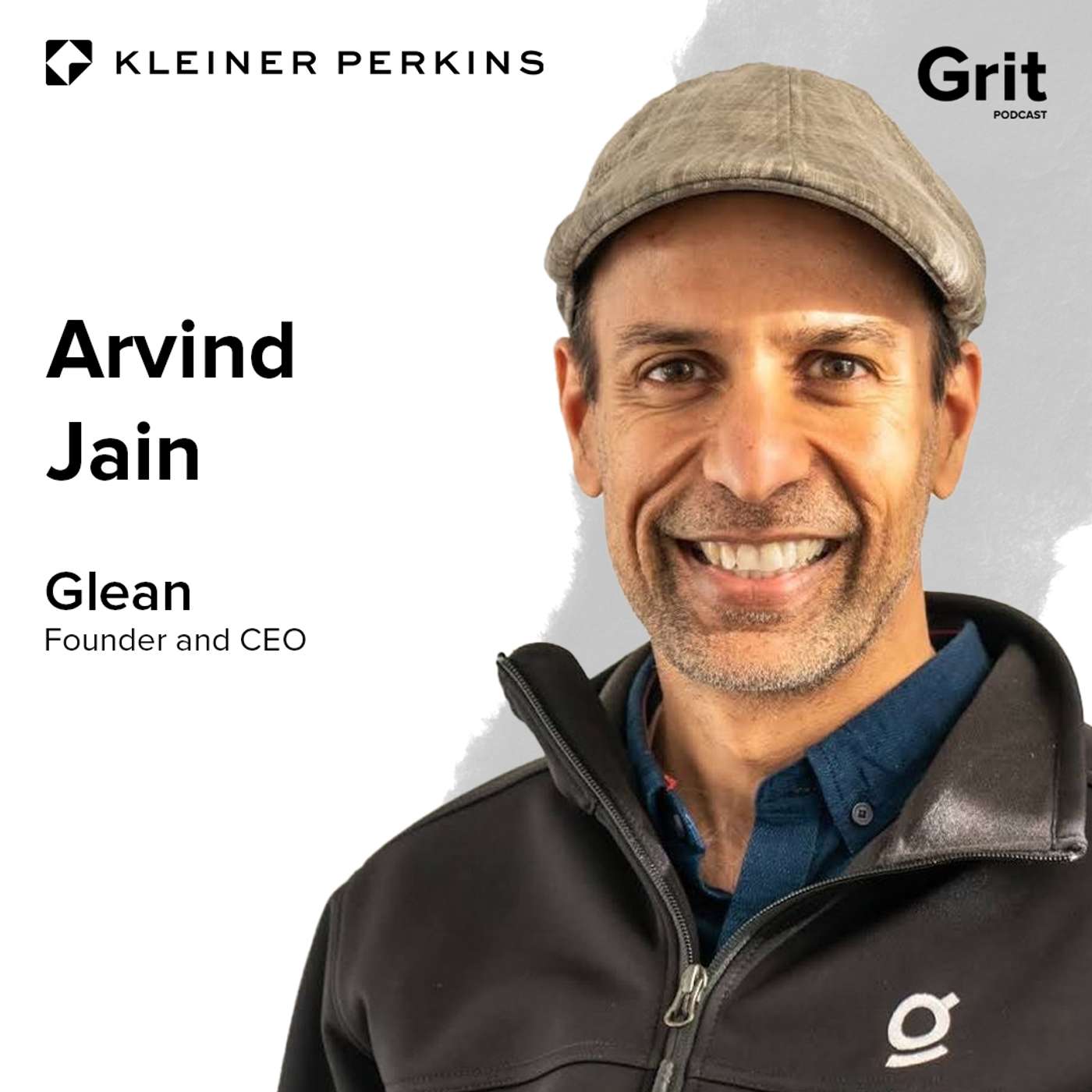
Glean has updated its interview process to screen for "AI fluency" across all departments. They don't expect expertise. Instead, they test for curiosity and initiative by asking candidates how they've personally used AI, looking for a mindset that embraces new ways of working.