Get your free personalized podcast brief
We scan new podcasts and send you the top 5 insights daily.
Sendbird updated its job descriptions for 'AI-first' roles to de-emphasize years of experience. Instead, they screen for high curiosity, agency, and energy, believing these traits are better predictors of success for employees who must constantly learn and build with new tools.

Related Insights
Since modern AI is so new, no one has more than a few years of relevant experience. This levels the playing field. The best hiring strategy is to prioritize young, AI-native talent with a steep learning curve over senior engineers whose experience may be less relevant. Dynamism and adaptability trump tenure.

As AI handles technical tasks, uniquely human skills like curiosity, empathy, and judgment become paramount. Leaders must adapt their hiring processes to screen for these non-replicable soft skills, which are becoming more valuable than traditional marketing competencies.

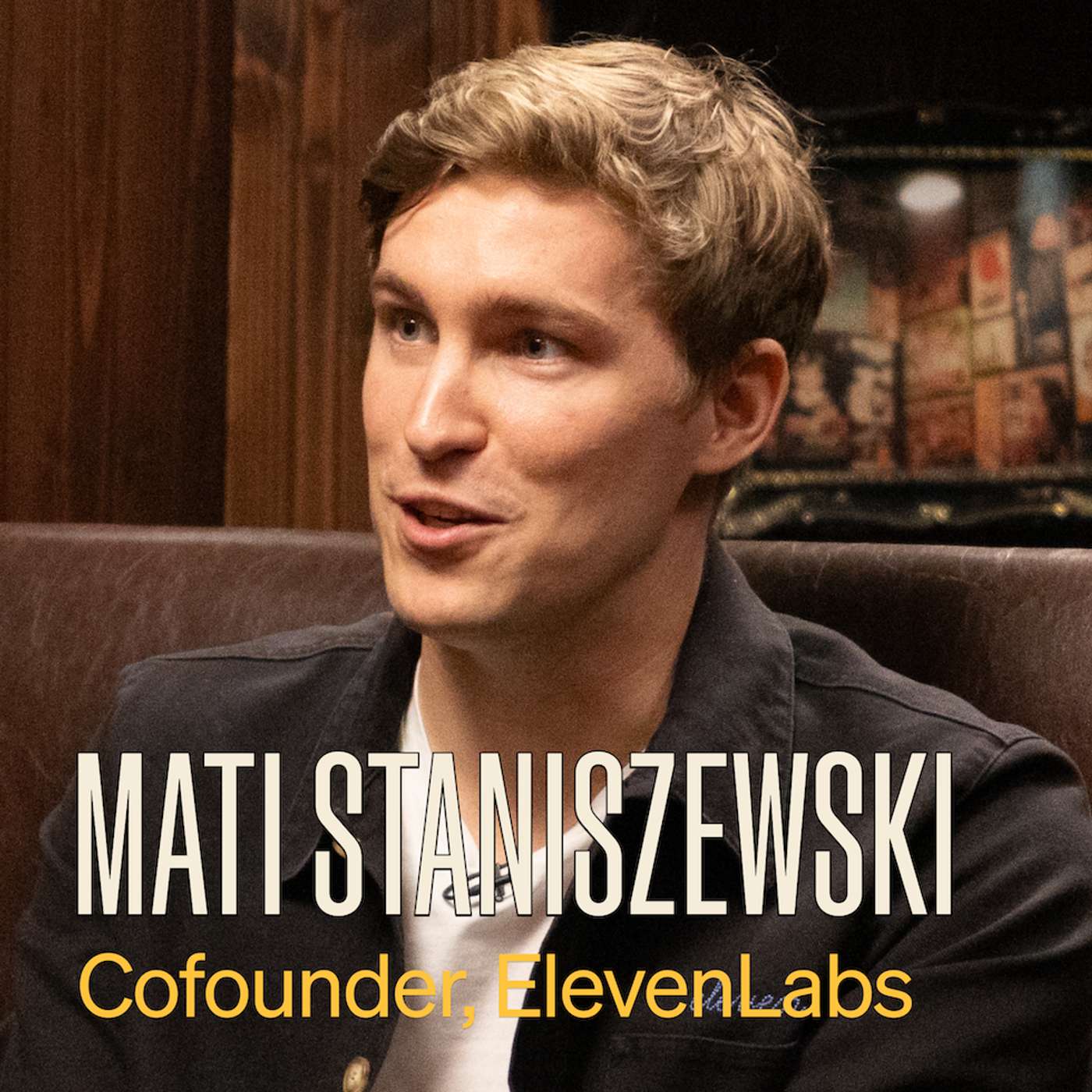
In a world where AI handles routine tasks, the most valuable human contribution is the initiative to solve problems independently. ElevenLabs prioritizes hiring for "agency," seeing it as the ultimate amplifier for an individual's impact, regardless of their seniority. High-agency people are the winners of the AI era.
A top VC's most important interview question is now "How have you used AI in your daily life this week?" The key is identifying individuals who are running towards the new technology and embracing change. This mindset is uncorrelated with age or seniority, making it the most critical hiring signal.

For roles leveraging new technologies like AI, where tools are nascent and constantly changing, competency is a fleeting metric. Instead, hire for curiosity. A curious mind will adapt, learn, and master new tools as they emerge, making them a more valuable long-term asset.

Stripe's hiring criteria have evolved. Beyond craft, they now prioritize two key traits: a deep curiosity about AI's impact and "agency"—the proactive drive to build and experiment without being asked. They look for candidates with a "fire under their belly" who will push the company forward.
Lovable prioritizes hiring individuals with extreme passion, high agency, and autonomy—people for whom the work is a core part of their identity. This focus on intrinsic motivation, verified through paid work trials, allows them to build a team that can thrive in chaos and drive initiatives from start to finish without supervision.

Since AI tools are new and their use is often restricted at legacy companies, prior experience is a poor predictor of success. Artemis prioritizes a candidate's eagerness to learn and operate at the cutting edge, teaching them their intensive, multi-instance workflows upon joining.

In rapidly evolving fields like AI, pre-existing experience can be a liability. The highest performers often possess high agency, energy, and learning speed, allowing them to adapt without needing to unlearn outdated habits.

In a paradigm shift like AI, an experienced hire's knowledge can become obsolete. It's often better to hire a hungry junior employee. Their lack of preconceived notions, combined with a high learning velocity powered by AI tools, allows them to surpass seasoned professionals who must unlearn outdated workflows.
