Get your free personalized podcast brief
We scan new podcasts and send you the top 5 insights daily.
An early engineer noted that the AV project's seemingly infinite funding created a cushy, academic culture. Without financial pressure, the team wasn't forced to make hard decisions about market focus, which led to a lack of commercial urgency and key talent leaving.

Related Insights
When a leader at Google was denied engineers for a $3B product, the constraint became a gift. It forced ruthless prioritization and required building such strong internal excitement for the project that it naturally attracted talent over time, rather than just being assigned it.
The 2017 "Attention Is All You Need" paper, written by eight Google researchers, laid the groundwork for modern LLMs. In a striking example of the innovator's dilemma, every author left Google within a few years to start or join other AI companies, representing a massive failure to retain pivotal talent at a critical juncture.
Google's culture has become slow and risk-averse, not due to a lack of talent, but because its cushy compensation packages discourage top employees from leaving. This fosters an environment where talented individuals are incentivized to take fewer risks, hindering bold innovation, particularly in the fast-moving AI space.

Despite theories that Google will offer its AI for free to bankrupt competitors, its deep-seated corporate culture of high margins (historically 80%+) makes a prolonged, zero-profit strategy difficult. As a public company, Google faces immense investor pressure to monetize new technologies quickly, unlike a startup.

When deciding whether to continue funding long-term bets like Waymo, Google focuses less on immediate commercial viability and more on the progress of the core technology. As long as key metrics on the underlying tech curve (e.g., the Waymo driver's safety) are improving, they maintain their commitment.
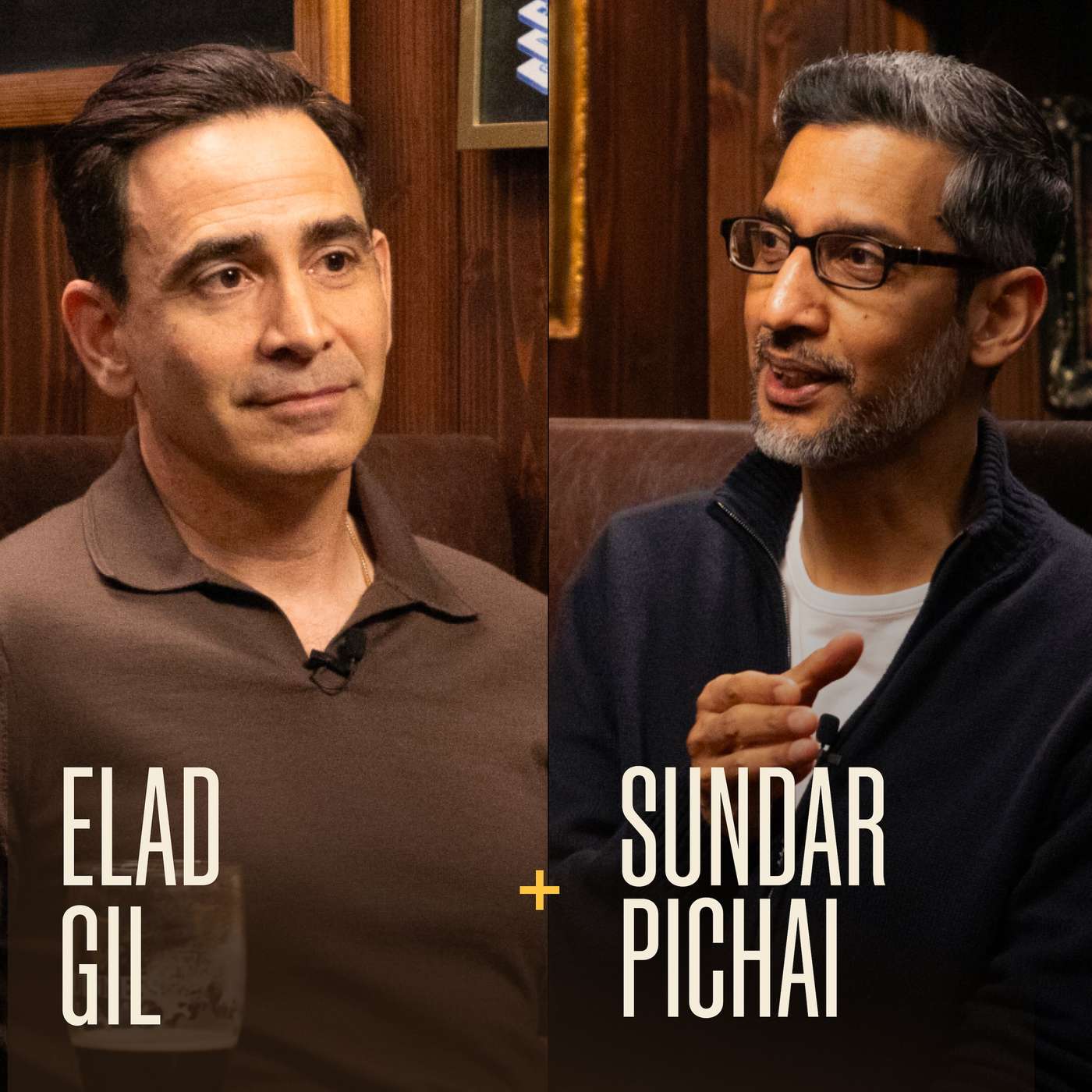
Working at Google conditions you to take user acquisition, talent recruitment, and marketing for granted. When ex-Googlers start companies, they are often unprepared for the fundamental challenge of getting anyone to care about their product, a skill they never had to develop.

As OpenAI and Anthropic gear up to go public, the pressure to generate profit is mounting. This shift from pure research to building ad-driven, commercial products creates a culture clash, causing disillusioned engineers who joined for loftier goals to quit.

Founders with personal wealth and companies with massive cash-cow businesses, like Google's search ads, can afford to pursue high-risk, long-term projects like Waymo. This financial security allows them to endure long periods of unprofitability in pursuit of breakthrough innovations.

Google can dedicate nearly all its resources to AI product development because its core business handles infrastructure and funding. In contrast, OpenAI must constantly focus on fundraising and infrastructure build-out. This mirrors the dynamic where a focused Facebook outmaneuvered a distracted MySpace, highlighting a critical incumbent advantage.

Despite immense resources, Google is in danger of falling out of the top tier of AI labs. Its models are described as "deeply psychologically screwed up," its internal scaffolding efforts are weak, and its corporate culture hinders progress. This is causing them to lose ground to more focused competitors like Anthropic and OpenAI in the race for recursive self-improvement.
