Get your free personalized podcast brief
We scan new podcasts and send you the top 5 insights daily.
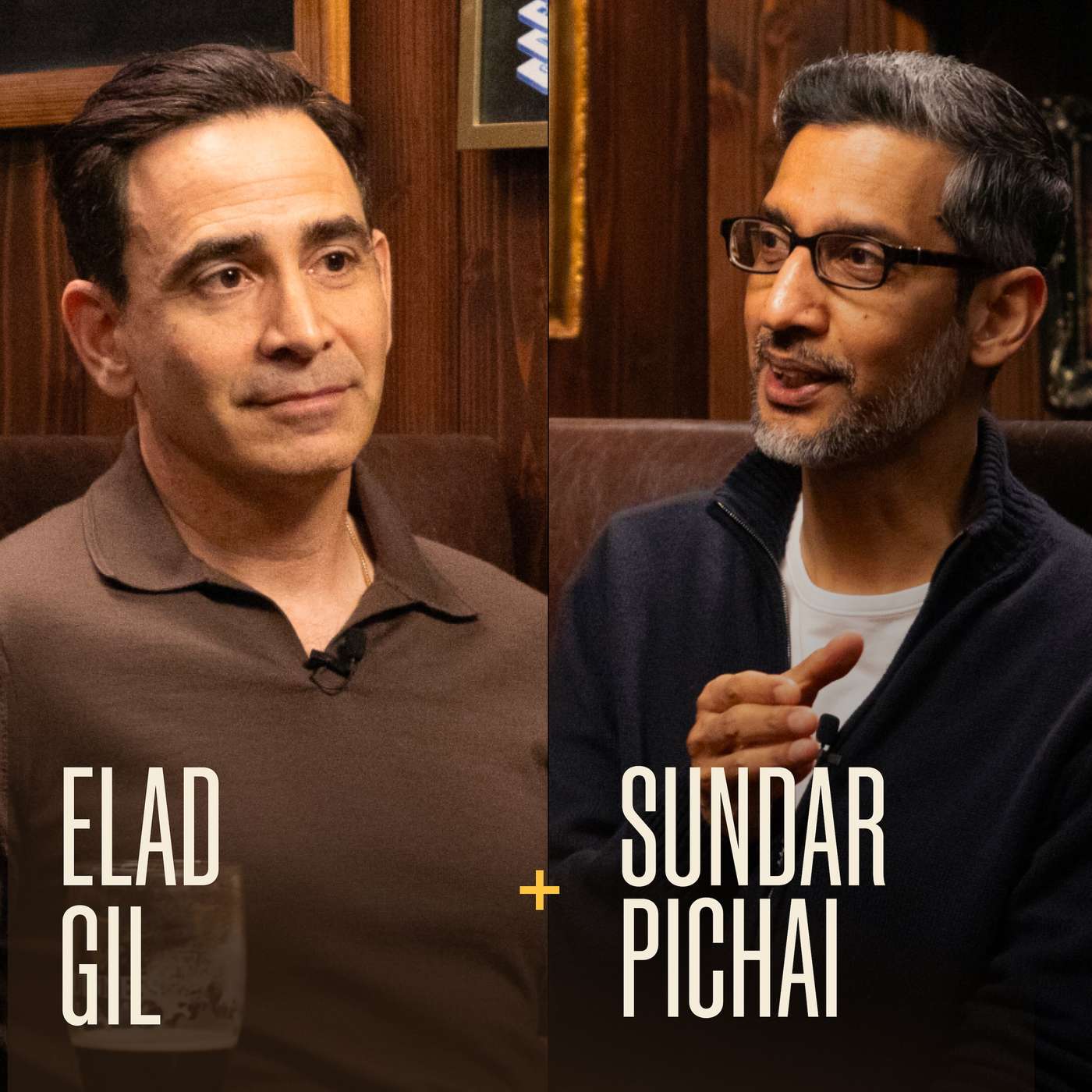
When deciding whether to continue funding long-term bets like Waymo, Google focuses less on immediate commercial viability and more on the progress of the core technology. As long as key metrics on the underlying tech curve (e.g., the Waymo driver's safety) are improving, they maintain their commitment.
Related Insights
Major AI breakthroughs like Transformers accelerate initial progress but are not silver bullets for the safety-critical long tail. The nature of the problem is that getting a prototype working is relatively easy, but achieving the final "nines" of reliability is incredibly difficult, justifying Google's early, multi-decade investment.
When investing in high-risk, long-development categories like autonomous vehicles, the key signal is undeniable consumer pull. Once Waymo became the preferred choice in San Francisco, it validated the investment thesis despite a decade of development and high costs.
![David George - Building a16z Growth, Investing Across the AI Stack, and Why Markets Misprice Growth - [Invest Like the Best, EP.450] thumbnail](https://megaphone.imgix.net/podcasts/8da7dbd8-ceeb-11f0-941c-ef83bcdd4c9f/image/d44107bc94719f78fbe91befb141073e.jpg?ixlib=rails-4.3.1&max-w=3000&max-h=3000&fit=crop&auto=format,compress)
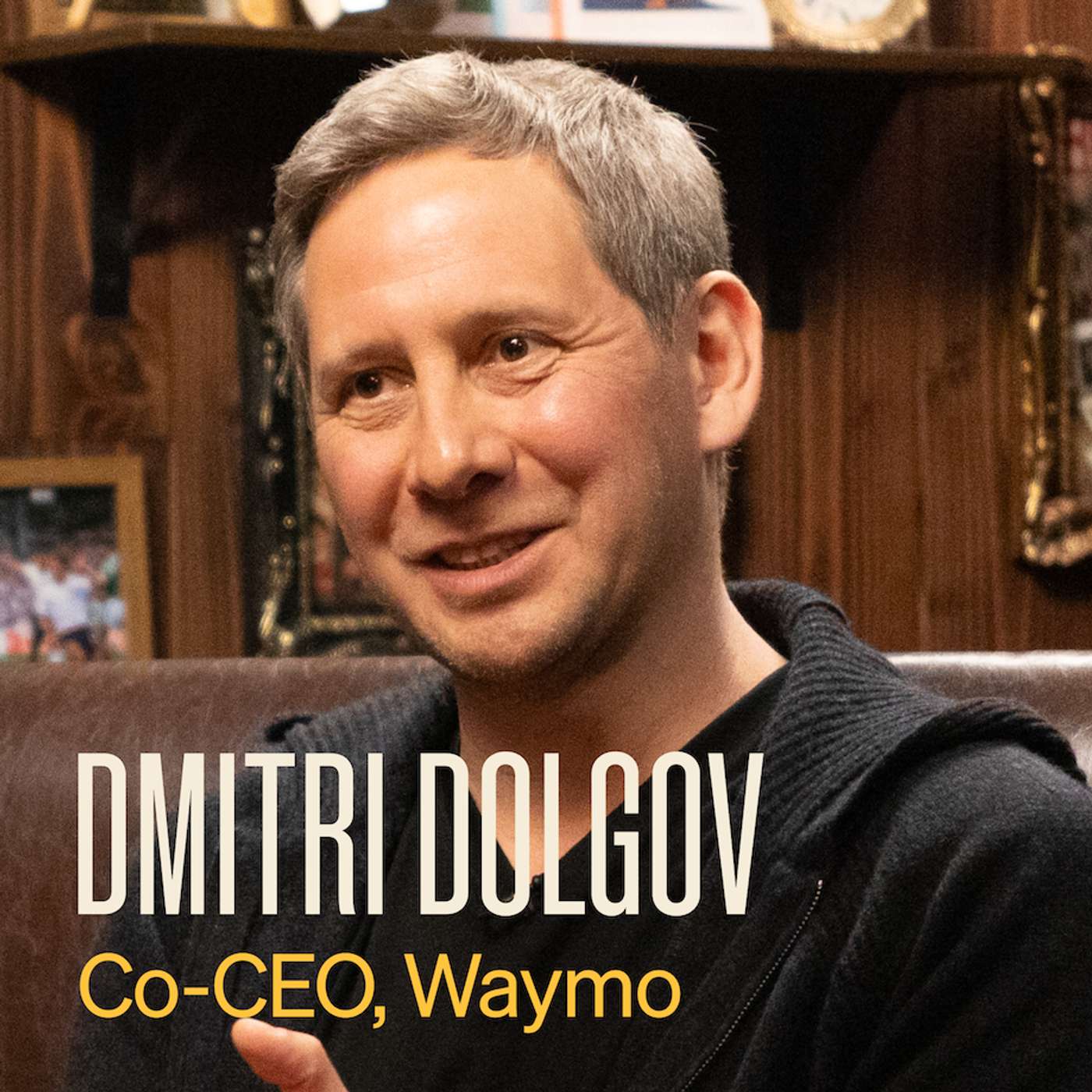
According to its co-CEO, Waymo has moved beyond fundamental research and development. The company believes its core technology is sufficient to handle all aspects of driving. The current work is an engineering challenge of specialization, validation, and data collection for new environments like London, signaling a shift to commercial deployment.
Alphabet's success with long-term projects like Waymo illustrates a key innovation model. The stable cash flow from a core business provides a safety net, allowing high-risk, capital-intensive ventures to survive years of losses and uncertainty—a luxury most VC-backed startups don't have.

Waymo's potential funding round at a valuation over $100 billion, despite estimated revenues of only $300-$350 million, signifies a market focused on long-term potential. Investors are betting on future market leadership and unit economics in the autonomous vehicle space, not current financial performance.

Frame moonshot projects like Google's Waymo not as singular bets, but as platforms for innovation. Even if the primary goal fails, the project should be structured to spin off valuable 'side effects'—advances in component technologies like AI, mapping, or hardware that benefit the core business.
Companies pursuing revolutionary technologies like autonomous driving (Waymo) or VR (Reality Labs) must endure over a decade of massive capital burn before profitability. This affirms venture capital's core role in funding these long-term, high-risk, high-reward endeavors.

Leadership actively evaluates the maturity of core technologies like Gemini to decide when to "double down" on specific applications, such as infusing AI into learning science. This treats timing not as a passive deadline, but as a core management principle for pausing or accelerating projects.

Companies tackling moonshots like autonomous vehicles (Waymo) or AGI (OpenAI) face a decade or more of massive capital burn before reaching profitability. Success depends as much on financial engineering to maintain capital flow as it does on technological breakthroughs.
Sundar Pichai notes an ironic consequence of the AI boom: the scarcity of TPUs forces a more disciplined capital allocation process. Since all major projects, including Waymo, now compete for the same limited compute resources, the trade-offs are more explicit and front-of-mind than ever before.