Get your free personalized podcast brief
We scan new podcasts and send you the top 5 insights daily.
Multiple celebrity-backed product lines across beauty and energy drinks folded quietly after failing to maintain consumer interest. Simply attaching an A-list personality to commoditized consumer packaged goods—like canned cocktails, clean beauty, or energy drinks—no longer guarantees shelf life or commercial success. In an oversaturated market, consumers require genuine product differentiation rather than just celebrity co-founders.

Related Insights
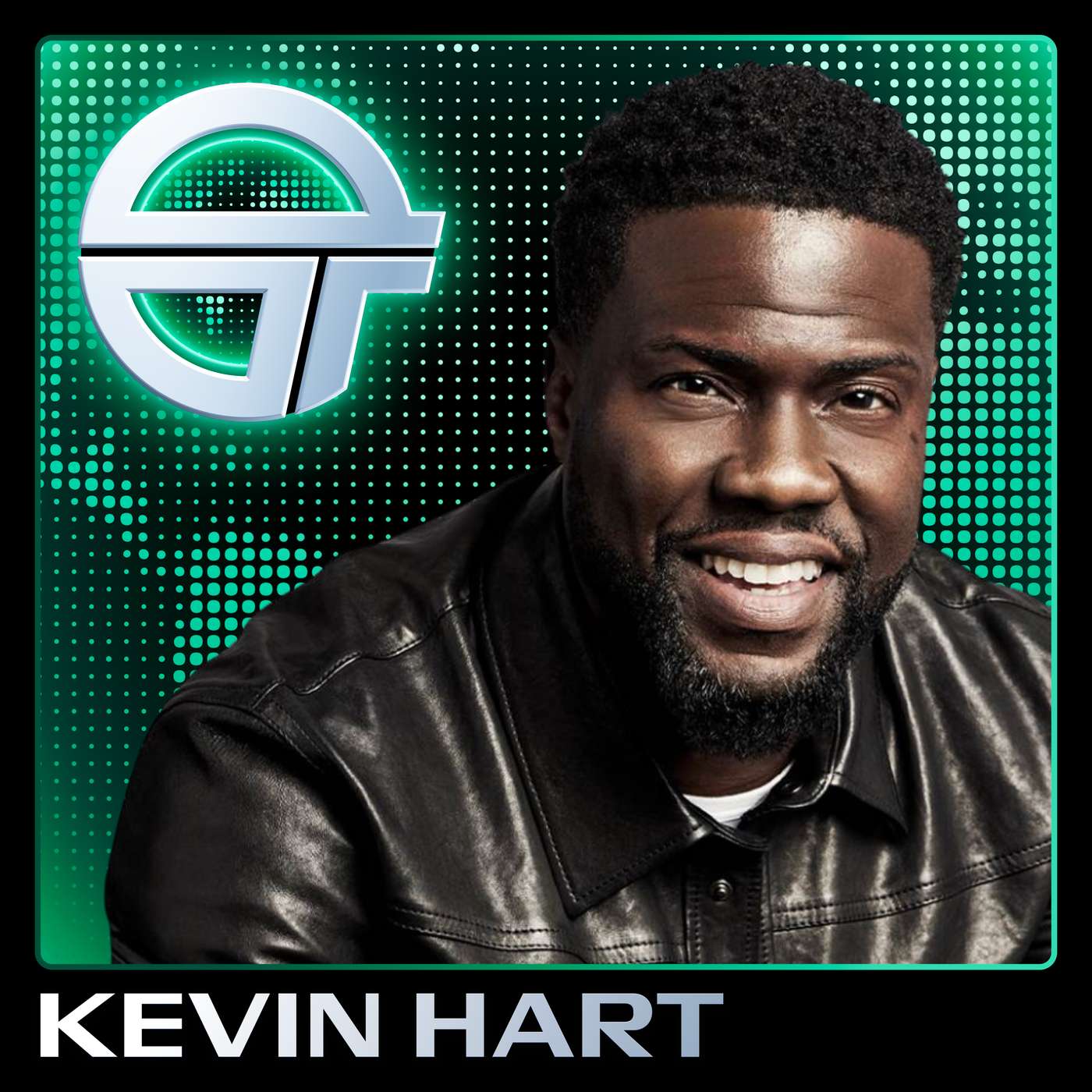
Consumers are savvy and can see through a simple name-slap endorsement. To break through, a brand needs a genuine story. Hart emphasizes the importance of answering core questions—"Why did you make it? What's the story? Do you really drink this?"—to build an authentic connection that resonates with customers long-term.
Over 60% of Super Bowl ads used celebrities, but most failed to deliver ROI. The few successes, like Ben Affleck for Dunkin', worked because the connection was sincere and pre-existing. Simply paying for fame without a genuine link is a waste of money.
A primary reason celebrity brands fail is the celebrity's lack of genuine involvement. When they don't participate in product, packaging, or strategy calls, the brand lacks authenticity and direction. The project becomes their agents', not theirs, which is a major red flag.

Gary Vaynerchuk warns that using A-list celebrities is risky because audiences recall the star, not the product, leading to poor brand recall. For success, the brand and its message must remain the hero of the ad, never playing 'second or third fiddle' to the celebrity talent.

Peter Rahal, founder of RXBAR and David Protein, observes that influencer marketing is far less effective today than in its early days. He notes that a post from a major celebrity like Kim Kardashian no longer creates an immediate, visible sales lift, indicating that consumer skepticism and channel saturation have eroded direct ROI.

A celebrity partnership isn't a silver bullet; it's an accelerant. For brands with weak fundamentals—poor product, operations, or economics—a celebrity launch only magnifies these flaws to a larger audience, leading to a much faster and more public failure.

Summer Fridays, once a viral sensation, now actively avoids virality. This is a strategic move because the beauty market is so saturated with celebrity and influencer brands that competing on viral marketing alone is prohibitively expensive and ineffective.
High-profile organic posts from celebrities like Kim Kardashian and Katy Perry generated immediate surges in site traffic and consumer messages for NeuroGum, yet failed to move sales figures. Without tight demographic alignment between the celebrity's followers and the product's functional utility, even unpaid viral moments from world-famous names fail to convert into paying customers.

The era of simply 'slapping a celebrity face' on a product is over. Modern consumers demand authenticity. Successful brands like Fenty and Rare Beauty thrive because their founders are deeply involved, knowledgeable about the products, and genuinely connected to a larger mission, such as inclusivity or mental health.

Contrary to popular belief, a celebrity wearing your product is not a golden ticket for sales. Heaven Mayhem's founder reveals that even massive celebrity placements often result in zero direct sales lifts. The true value is the long-term "halo effect" that boosts brand credibility and perception over time.