Get your free personalized podcast brief
We scan new podcasts and send you the top 5 insights daily.
A primary reason celebrity brands fail is the celebrity's lack of genuine involvement. When they don't participate in product, packaging, or strategy calls, the brand lacks authenticity and direction. The project becomes their agents', not theirs, which is a major red flag.

Related Insights
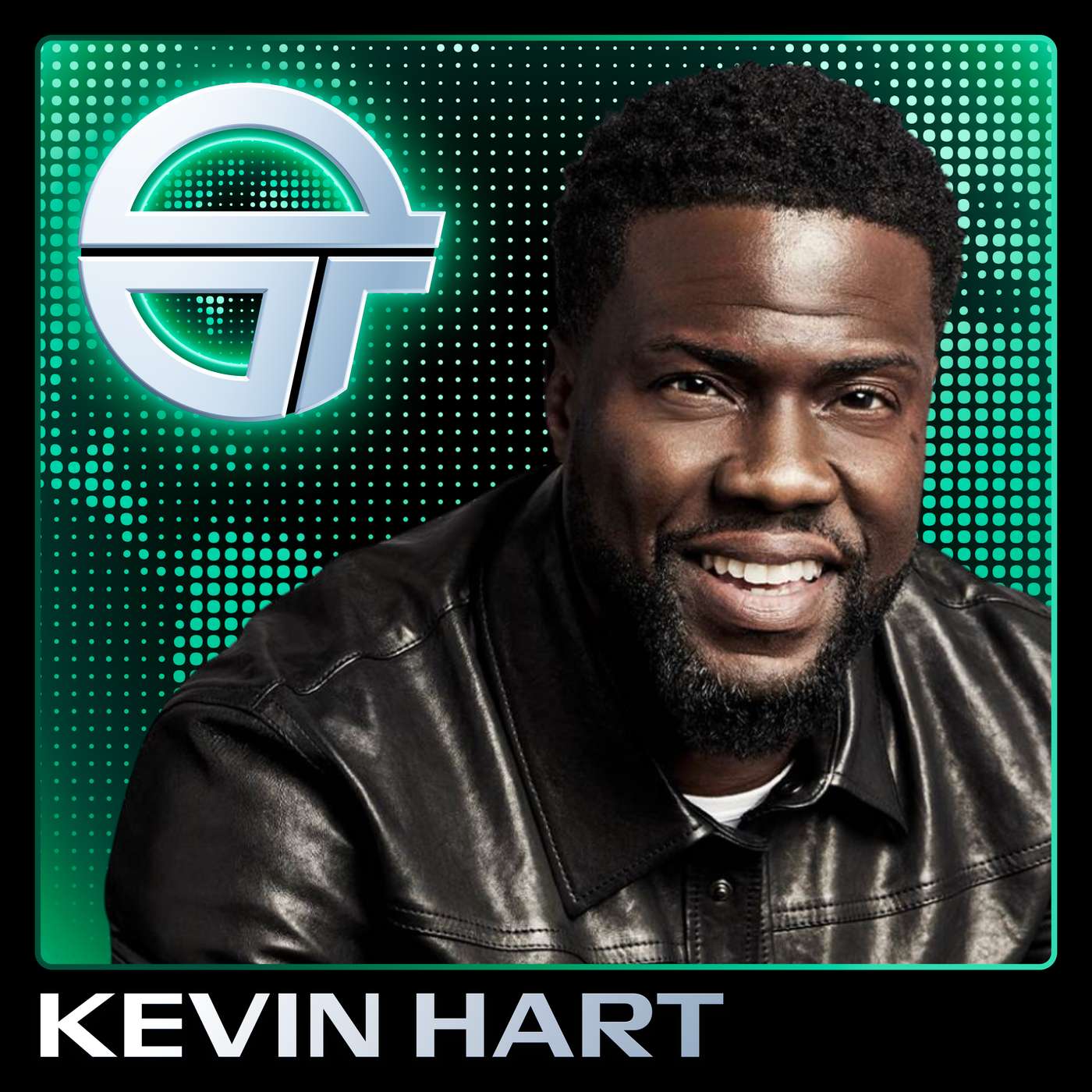
Consumers are savvy and can see through a simple name-slap endorsement. To break through, a brand needs a genuine story. Hart emphasizes the importance of answering core questions—"Why did you make it? What's the story? Do you really drink this?"—to build an authentic connection that resonates with customers long-term.
IM8 founder Danny Yeung structured his partnership with David Beckham not as an ambassadorship, but as a co-founding role. Critically, he designed the brand to have an identity independent of Beckham, avoiding the common pitfalls of short-lived celebrity-fronted products.

Over 60% of Super Bowl ads used celebrities, but most failed to deliver ROI. The few successes, like Ben Affleck for Dunkin', worked because the connection was sincere and pre-existing. Simply paying for fame without a genuine link is a waste of money.
When partnering with celebrity athletes, founders should enforce two non-negotiable conditions. First, the athlete must authentically use and love the product. Second, the founder must have a direct relationship with the athlete, not just their managers. This ensures genuine advocacy over a purely transactional deal.

McDonald's strategy wasn't to hire celebrities, but to partner with existing fans. Campaigns like the celebrity meals weren't invented; they were the stars' actual orders. This approach ensures an authentic connection with the audience, making the collaboration feel genuine rather than a transactional endorsement.

Building a brand from scratch requires prioritizing it above almost everything else—a commitment most celebrities can't or won't make. The endorsement model provides a safer, more suitable financial arrangement for the majority of entertainers who lack the time, understanding, or dedication for true ownership.
Gary Vaynerchuk warns that using A-list celebrities is risky because audiences recall the star, not the product, leading to poor brand recall. For success, the brand and its message must remain the hero of the ad, never playing 'second or third fiddle' to the celebrity talent.

A celebrity partnership isn't a silver bullet; it's an accelerant. For brands with weak fundamentals—poor product, operations, or economics—a celebrity launch only magnifies these flaws to a larger audience, leading to a much faster and more public failure.

Successful celebrity entrepreneurs are rare because most lack two key ingredients: a genuinely owned distribution channel (vs. a network's) and the business acumen developed from early-career hustles. Internet-native creators who built their own brands from scratch are better equipped than traditional stars.

The era of simply 'slapping a celebrity face' on a product is over. Modern consumers demand authenticity. Successful brands like Fenty and Rare Beauty thrive because their founders are deeply involved, knowledgeable about the products, and genuinely connected to a larger mission, such as inclusivity or mental health.
