Get your free personalized podcast brief
We scan new podcasts and send you the top 5 insights daily.
Gary Vaynerchuk warns that using A-list celebrities is risky because audiences recall the star, not the product, leading to poor brand recall. For success, the brand and its message must remain the hero of the ad, never playing 'second or third fiddle' to the celebrity talent.

Related Insights
Marketers often silo brand-building and sales-driving objectives, but they are intrinsically linked. If a creative fails to generate a short-term sales lift, it's a strong signal that it's also failing to build long-term brand equity. An ad that sells inherently delivers an equity benefit.
Over 60% of Super Bowl ads used celebrities, but most failed to deliver ROI. The few successes, like Ben Affleck for Dunkin', worked because the connection was sincere and pre-existing. Simply paying for fame without a genuine link is a waste of money.
Brands jumping on viral memes may see a temporary spike in views, but it's a hollow victory. Consumers remember the trend itself, not the brand's participation in it. This common social media tactic fails to build brand equity or impact the bottom line.

Gary Vaynerchuk warns that using high-profile celebrities can be a trap. The audience often remembers the celebrity but not the brand, leading to poor recall and wasted ad spend. The key is ensuring the brand remains the undisputed hero of the creative.

McDonald's strategy wasn't to hire celebrities, but to partner with existing fans. Campaigns like the celebrity meals weren't invented; they were the stars' actual orders. This approach ensures an authentic connection with the audience, making the collaboration feel genuine rather than a transactional endorsement.

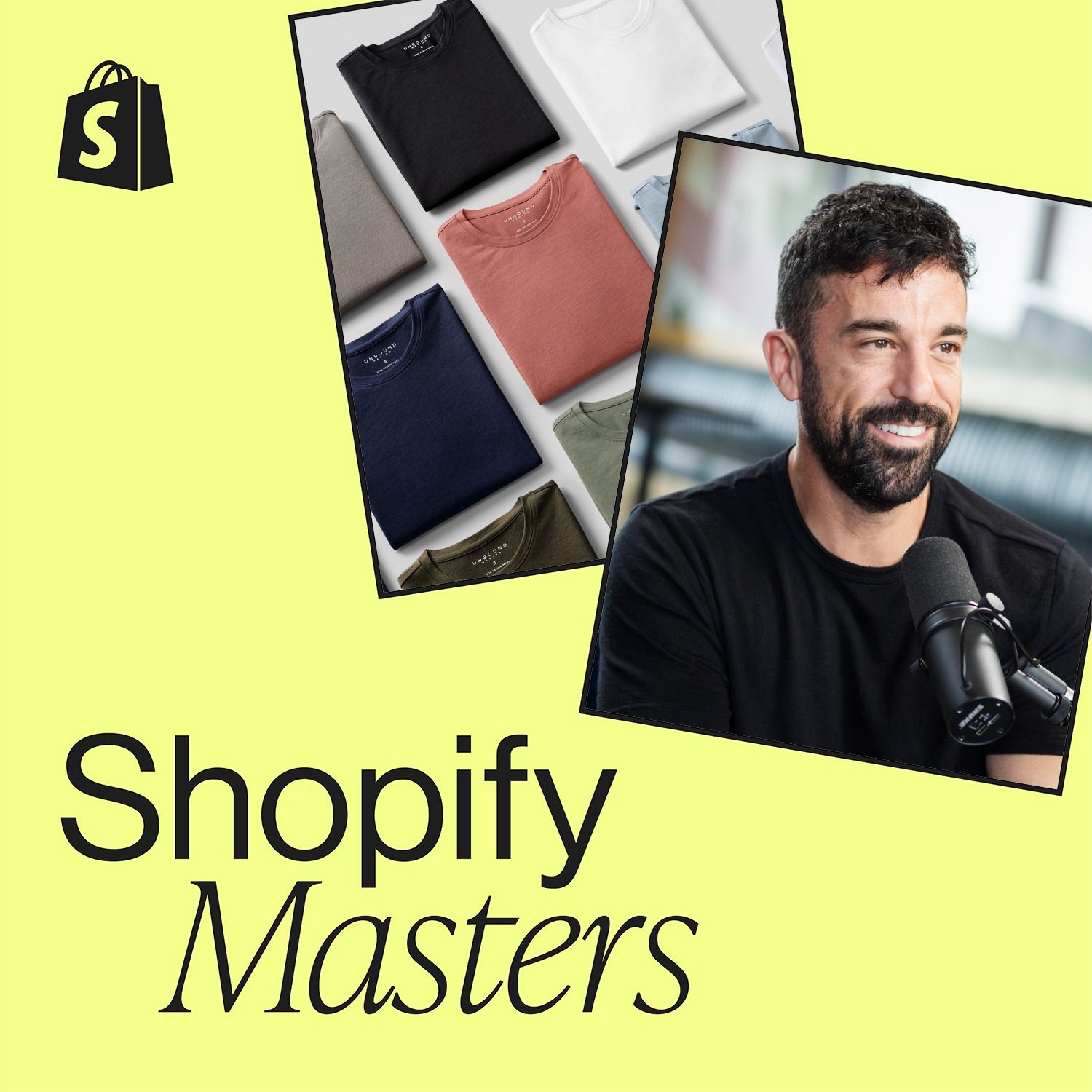
The CEO of Unbound Merino found that his most polished, creative ads often underperformed. Conversely, ads he felt were cheesy or made him uncomfortable—specifically, founder-led videos—were highly effective, showing that authenticity can trump production value.
Don't dismiss the success of celebrity brands as unattainable. Instead, analyze the core mechanism: massive 'free reach' and 'memory generation.' The takeaway isn't to hire a celebrity, but to find your own creative ways to generate a similar level of organic attention and build a tribe around your brand.

Extensive behavioral research on ad performance reveals a clear pattern: simplicity is superior. Creatives with multiple storylines, clutter, and excessive detail create cognitive load and reduce effectiveness. The best-performing ads feature a single, clear message that is easy for the human brain to process quickly.
Simply adding a celebrity to an ad provides no average lift in effectiveness. Instead, marketers should treat the brand’s own distinctive assets—like logos, sounds, or product truths—as the true 'celebrities' of the campaign. This builds stronger, more memorable brand linkage and long-term equity.

The tendency to cram multiple celebrities or messages into a single ad to appeal to everyone is a recipe for mediocrity. As Dara Treseder notes, 'When you try to speak to everyone, you speak to no one.' Focused, targeted messaging is more effective.