Get your free personalized podcast brief
We scan new podcasts and send you the top 5 insights daily.
Peter Rahal, founder of RXBAR and David Protein, observes that influencer marketing is far less effective today than in its early days. He notes that a post from a major celebrity like Kim Kardashian no longer creates an immediate, visible sales lift, indicating that consumer skepticism and channel saturation have eroded direct ROI.

Related Insights
An influencer's audience provides an initial sales boost but is a finite resource that can be quickly saturated. The long-term viability of a personality-led brand depends on its ability to acquire net-new customers through traditional channels, who are not part of the original fanbase.
As AI-generated content and virtual influencers saturate social media, consumer trust will erode, leading to 'Peak Social.' This wave of distrust will drive people away from anonymous influencers and back towards known entities and credible experts with genuine authority in their fields.

The creator of internet-famous recipes argues the sheer volume of content means the conditions for one item to dominate the cultural conversation no longer exist. "Everyone's famous, nothing's famous," she says, making true breakout virality a relic of the past.

Key Opinion Leaders (KOLs) and creators are shifting from being brand partners to direct competitors. They leverage their audiences to launch their own products (e.g., Prime vs. Gatorade), posing a significant strategic threat to established CPG brands by bypassing traditional retail and marketing.

The value of a large, pre-existing audience is decreasing. Powerful platform algorithms are becoming so effective at identifying and distributing high-quality content that a new creator with great material can get significant reach without an established following. This levels the playing field and reduces the incumbent advantage.
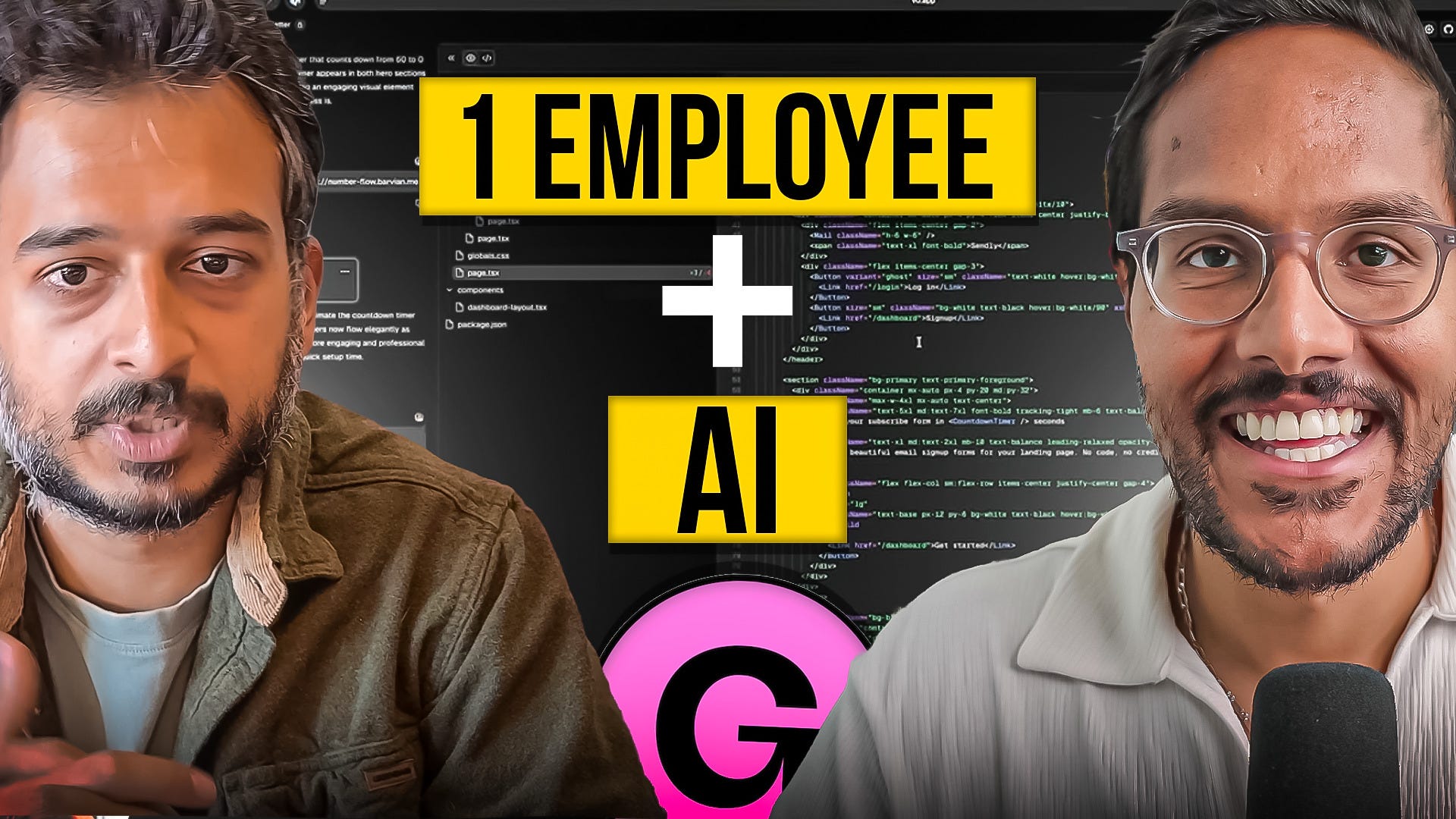
Influencer marketing isn't a standalone channel. Gamma discovered that for every user acquired directly through an influencer, they gained an additional 1.5 users via organic word-of-mouth. This highlights its role as a powerful amplifier for existing organic channels, not just a direct acquisition tool.

Businesses often limit content output fearing audience burnout. In reality, organic posts only reach a tiny fraction (1-2%) of followers. The real bottleneck is the team's ability to produce enough high-value content, not the audience's capacity to consume it.

The founder of Stormy AI argues large influencers are in trouble because social algorithms no longer guarantee reach based on follower count. Viral potential is now decoupled from follower count, meaning a nano-influencer can achieve massive views. This makes them a more cost-effective and potent marketing channel for brands than established stars.

Relying on UTM link clicks for B2B influencer campaigns is a failing strategy, as social platforms penalize external links and users rarely convert directly. Instead, use a combination of time-series analysis (correlating campaigns to signup spikes) and self-reported attribution on forms to get a more accurate picture of an influencer's impact.

Co-founder Sarah Foster reveals that micro-influencers with authentic, engaged audiences have been far more effective at driving sales than celebrities with millions of followers. This highlights the superior ROI of niche creators who have built genuine trust within their communities, proving reach doesn't always equal results.