Get your free personalized podcast brief
We scan new podcasts and send you the top 5 insights daily.
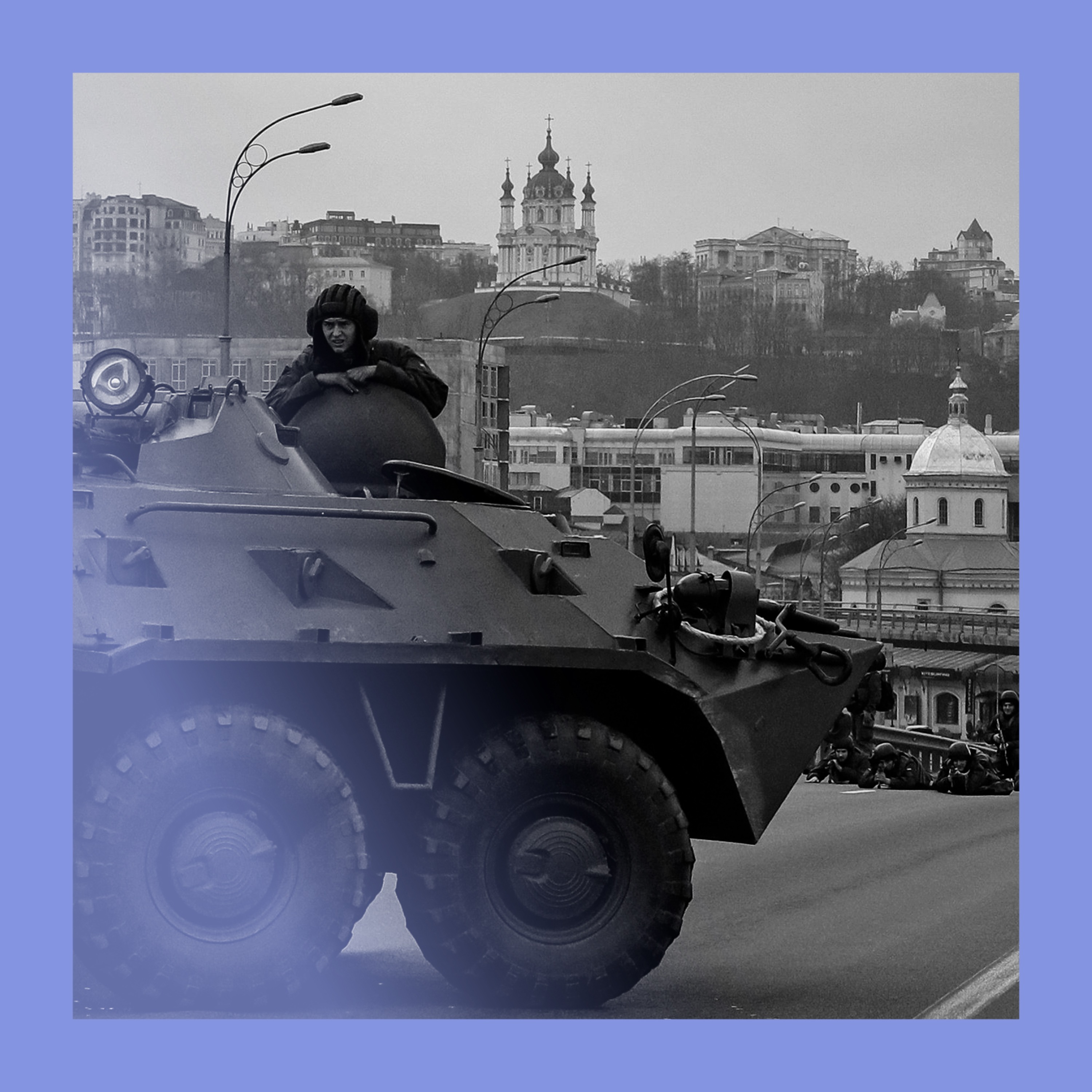
Since Vietnam, the public's unwillingness to watch televised atrocities has made total war impossible. Conflicts now devolve into asymmetric battles where the weaker side bleeds the stronger empire until political will at home evaporates, making decisive "victory" a relic of the past.

Related Insights
In the current media landscape, the political impact of military casualties depends on their virality. A non-visual event described in a traditional news article lacks the resonance of a graphic video shared on platforms like TikTok. This creates a grim calculus where policy is only influenced by losses that are visually shocking and widely shared.
Contrary to popular hope, a scenario where Ukraine fully expels Russia and regains all territory is a 'total fantasy.' Based on historical precedent, the war has only two realistic outcomes: a Ukrainian collapse under sustained pressure or a compromise peace that grants Russia de facto control of some territory.

Unlike nations that have historically endured massive losses, the United States has a low willingness to suffer casualties, which is a strategic vulnerability. Adversaries understand that American political will for a prolonged conflict is fragile and can be broken by simply waiting out the initial shock and absorbing blows.

Unlike wars where a nation is attacked first (e.g., Pearl Harbor), "wars of choice" lack the sustained public support needed for a long conflict. The aggressor has a political weak point, which adversaries exploit to win a war of attrition, not battlefield victories.

Against an enemy employing asymmetric warfare, achieving total victory may be impossible without resorting to indiscriminate killing and infrastructure destruction. Since modern Western societies lack the moral appetite for such tactics, decisive military wins become elusive.

Ukraine's most realistic theory of success is not reclaiming all territory militarily, but leveraging its advantages to stabilize the front and inflict unsustainable casualties and economic costs on Russia. This strategy aims to make the war so futile for Moscow that it forces a favorable negotiated settlement.

Modern asymmetric warfare is less about ground skirmishes and more about economic attrition through missile technology. Adversaries use extremely cheap drones and mines to exhaust the multi-million-dollar missile defense systems of better-equipped powers, creating a lopsided cost exchange.

Iran's strategy isn't a quick military victory but a war of attrition. By accepting a long timeline and inflicting small but consistent damage, it aims to erode US domestic support for the war, especially in an election year, and outlast the current administration.
Nations like the US and USSR prolong involvement in failed conflicts like Afghanistan primarily due to "reputational risk." The goal shifts from achieving the original mission to avoiding the perception of failure, creating an endless commitment where objectives continually morph.

Advanced sensors, drones, and satellites make it nearly impossible for either side in the Ukraine war to concentrate large forces without being immediately detected and destroyed. This technological shift enforces a static, sluggish front line characterized by small, dismounted infantry movements.