Get your free personalized podcast brief
We scan new podcasts and send you the top 5 insights daily.
Bessemer Venture Partners maintains a public 'anti-portfolio' of massive companies like Tesla and Atlassian that they passed on. This practice serves as a constant reminder to learn from their 'crimes of omission' and demonstrates respect for the entrepreneurs they say 'no' to.

Related Insights
An investor might correctly identify a company's flaw but still be wrong to pass, as great founders often fix those issues. This requires investors to have the humility to admit their ultimate conclusion was wrong, even if their initial analysis was correct, and be willing to re-engage with the startup.

The cost of inaction can be immense. One speaker's "worst investment" wasn't a loss but passing on three startups in his direct area of expertise—Polymarket, Calshee, and Whatnot. Despite being an early user and having direct contact with the founders, he failed to invest, missing out on multi-billion dollar outcomes.

An investor's best career P&L winners are not immediate yeses. They often involve an initial pass by either the investor or the company. This shows that timing and building relationships over multiple rounds can be more crucial than a single early-stage decision, as a 'missed round' isn't a 'missed company'.

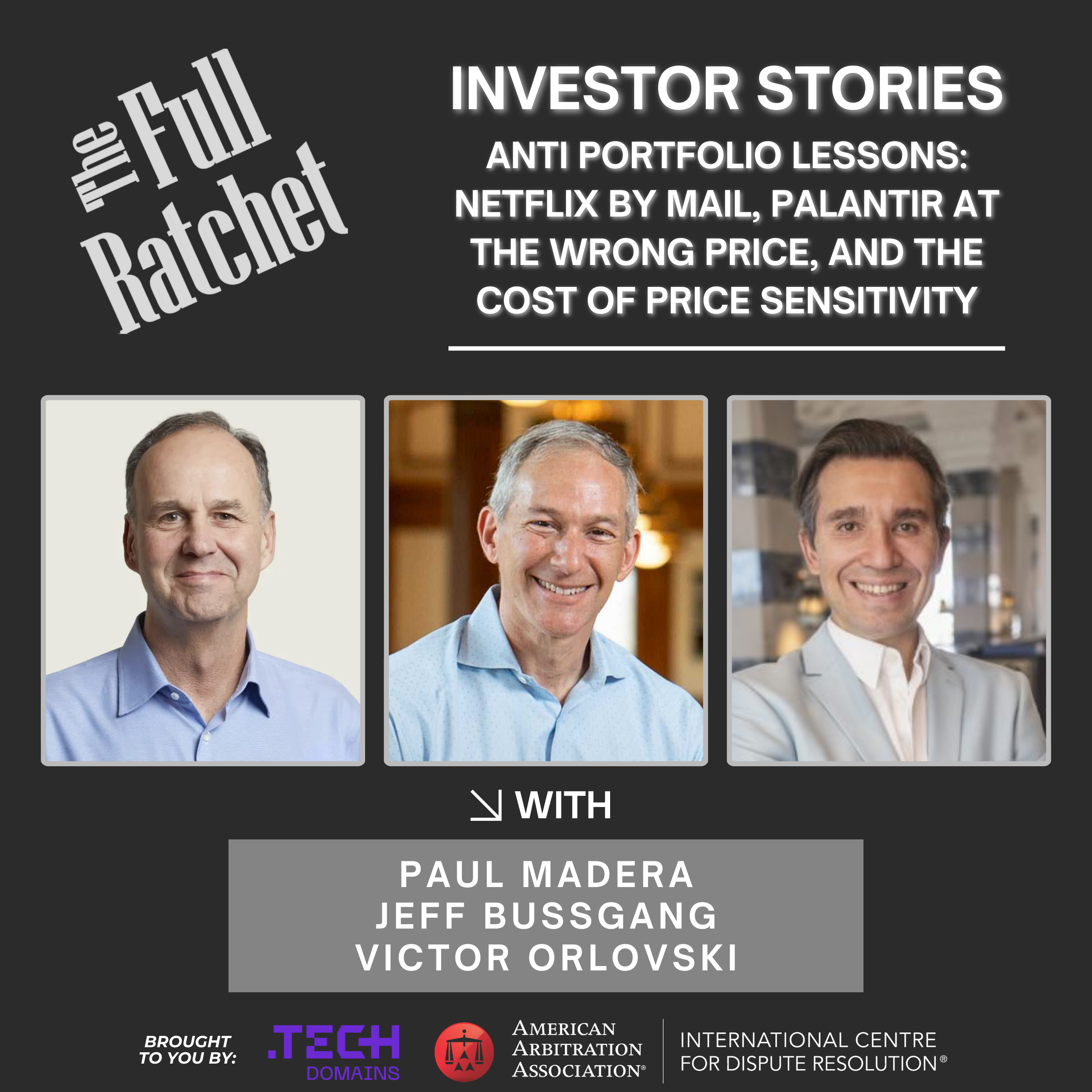
Investor Victor Orlovski writes 10-15 pages of notes when he passes on a company, compared to only 5-6 pages for an investment. This disciplined reflection on "anti-portfolio" decisions allows him to analyze his reasoning, identify biases, and improve his investment judgment over time.
The most painful investment misses—the 'anti-portfolio'—can serve as the primary inspiration for a new venture firm's strategy. Nnamdi Okike of 645 Ventures used his experience passing on companies like Skype and Facebook to build a new firm specifically designed to identify and invest in similar opportunities.

Bessemer Venture Partners publicly lists massive companies it passed on to foster a learning culture. This highlights their philosophy that the opportunity cost of missing a transformative company (a crime of omission) is far more damaging than investing in one that fails (a crime of commission).

Instead of only celebrating wins and analyzing losses, Apollo's leadership instituted "near-miss reviews." They analyze successful investments that could have gone wrong "but for the skin of our teeth." This process uncovers hidden risks and flawed assumptions, strengthening the firm's underwriting for future deals.

In a moment of candor, Accel's Miles Clements shared that the firm's partners hold global offsites to analyze their biggest misses, such as not investing early in foundation model companies. They grade their performance against the world's top 50 private companies and strategize on how to win the next 50, showcasing a rigorous process for self-correction.

Alex Rubalcava reveals that the most valuable advice he gives founders comes directly from past mistakes in his portfolio that cost millions of dollars. This "scar tissue" provides a hard-won perspective on what not to do—insights that are impossible to gain from successes alone.

For promising venture-stage companies, price sensitivity is a losing strategy. The truly exceptional opportunities attract significant interest, driving up valuations. According to Andreessen, the mistake of omission (passing on a future giant) far outweighs the mistake of overpaying slightly for a winner.
