Get your free personalized podcast brief
We scan new podcasts and send you the top 5 insights daily.
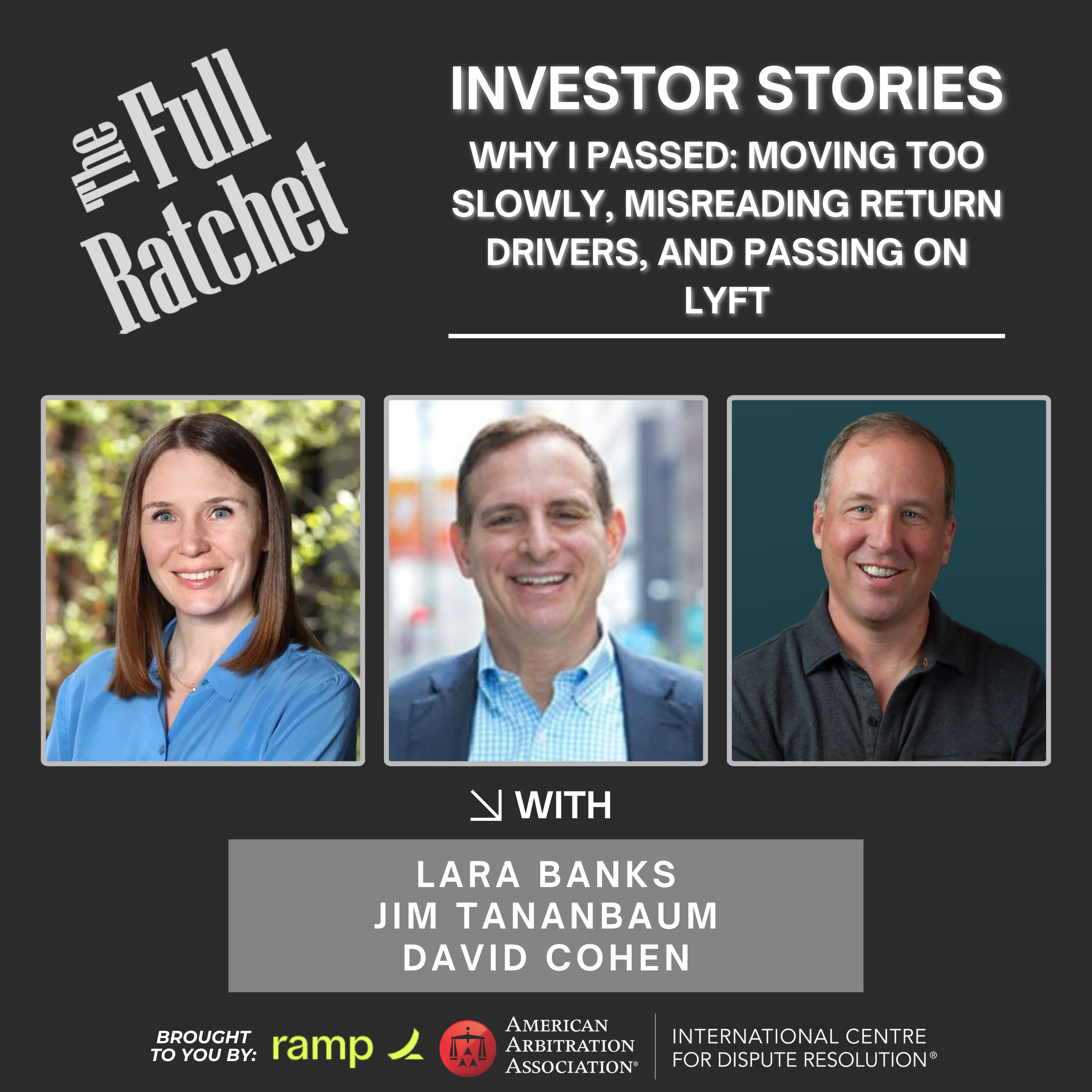
An investor might correctly identify a company's flaw but still be wrong to pass, as great founders often fix those issues. This requires investors to have the humility to admit their ultimate conclusion was wrong, even if their initial analysis was correct, and be willing to re-engage with the startup.

Related Insights
Extensive diligence on a seed-stage company's market or product is often wasted effort. The majority of successful seed investments pivot to a completely different business model, making the founding team's quality and resilience the most crucial factor to evaluate.

The worst feeling for an investor is not missing a successful deal they didn't understand, but investing against their own judgment in a company that ultimately fails. This emotional cost of violating one's own conviction outweighs the FOMO of passing on a hot deal.

To avoid confirmation bias and make disciplined capital allocation decisions, investors should treat every follow-on opportunity in a portfolio company as if it were a brand-new deal. This involves a full 're-underwriting' process, assessing the current state and future potential without prejudice from past involvement.

An investor's best career P&L winners are not immediate yeses. They often involve an initial pass by either the investor or the company. This shows that timing and building relationships over multiple rounds can be more crucial than a single early-stage decision, as a 'missed round' isn't a 'missed company'.

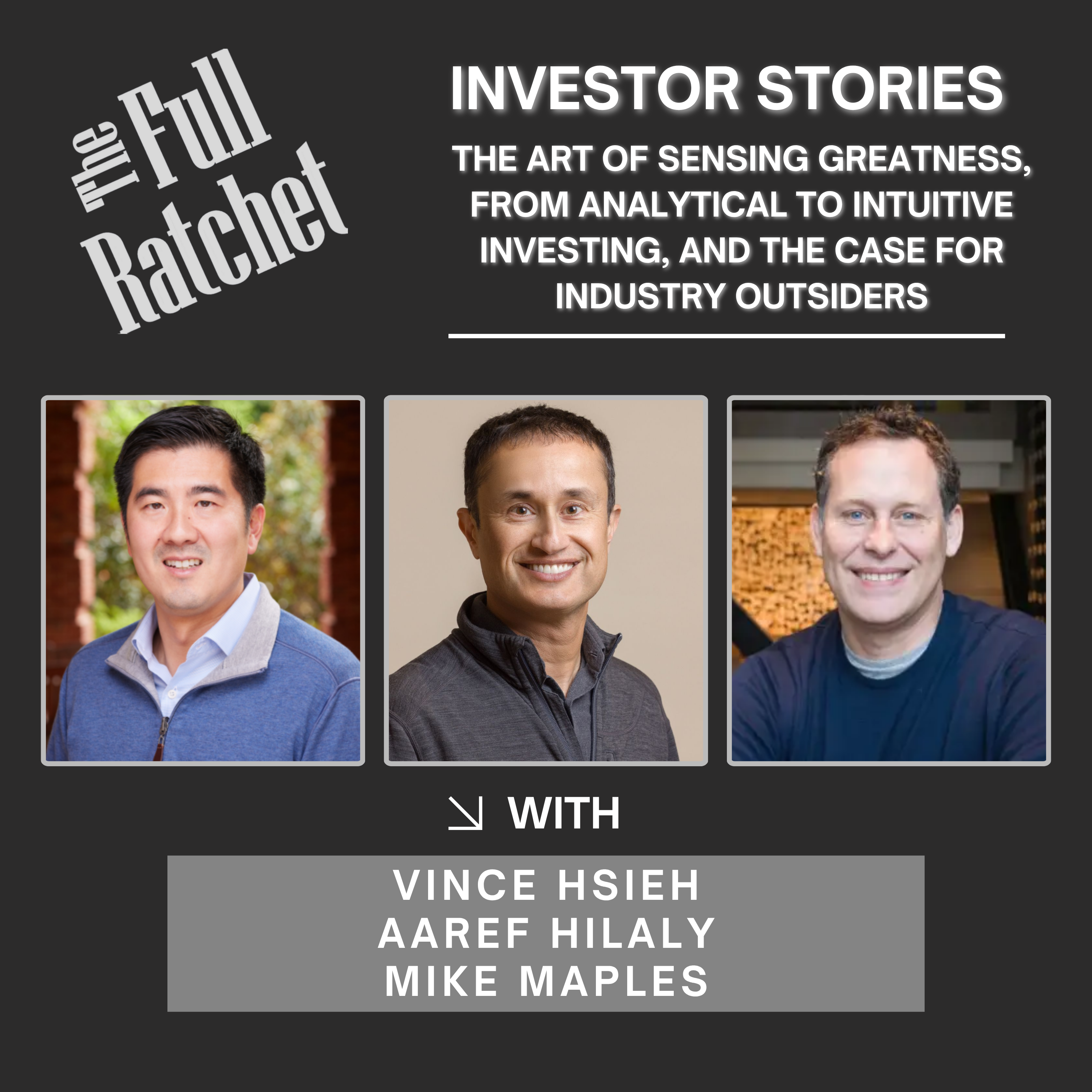
Top VCs' biggest regrets come from passing on genuinely 'great' founders over solvable diligence issues. Mike Maples Jr. advises that when you encounter this rare trait, you should invest immediately, even if the business model is unclear.
While it's easy to stop funding obviously failing companies, the most difficult decisions involve startups that are doing okay but are not on a trajectory for venture-scale returns. The emotional challenge for VCs is balancing their supportive, founder-friendly role with the tough-minded discipline required for their LPs.
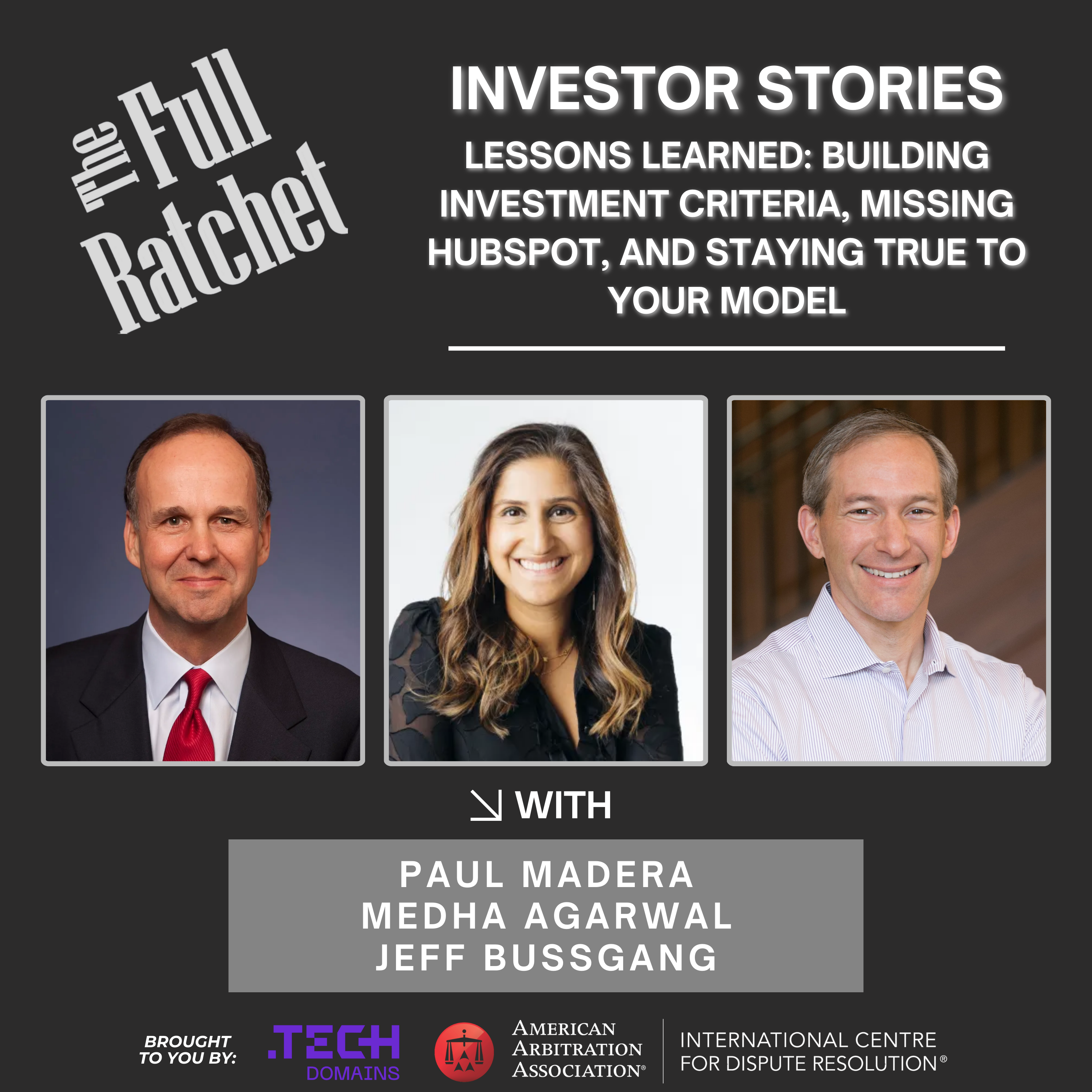
The most critical decision in venture isn't the final investment vote but the mid-funnel choice of which companies get a deep look. The costliest errors are false negatives—great companies dismissed prematurely. Firms should therefore optimize process hygiene at this stage, implementing mandatory post-meeting debriefs to avoid these misses.

A truly exceptional founder is a talent magnet who will relentlessly iterate until they find a winning model. Rejecting a partnership based on a weak initial idea is a mistake; the founder's talent is the real asset. They will likely pivot to a much bigger opportunity.

Reframe the pitch meeting from a judgment session to a mutual evaluation. Founders are selecting a partner for 7-10 years and must assess the investor for chemistry and fit, rather than just seeking capital from a position of need.

Jim Tannenbaum of Foresight Capital regrets passing on Bridge Bio partly because his team wasn't aggressive enough in tracking the company to invest in a subsequent round. A 'no for now' decision should trigger a process for re-evaluating the opportunity later, not be a final dismissal.