Get your free personalized podcast brief
We scan new podcasts and send you the top 5 insights daily.
Beyond vision, the most exceptional founders can convince top talent to take pay cuts, persuade investors to fund them, and sign initial customers against all odds. This ability to conjure key resources is a primary indicator of success for early-stage investors to identify.

Related Insights
When meeting Cursor's founder, the investor felt an "electric energy" even as the founder was pivoting away from his original idea. This highlights that for elite early-stage investors, the founder's intrinsic drive and potential are the constant to bet on, as ideas will inevitably change.
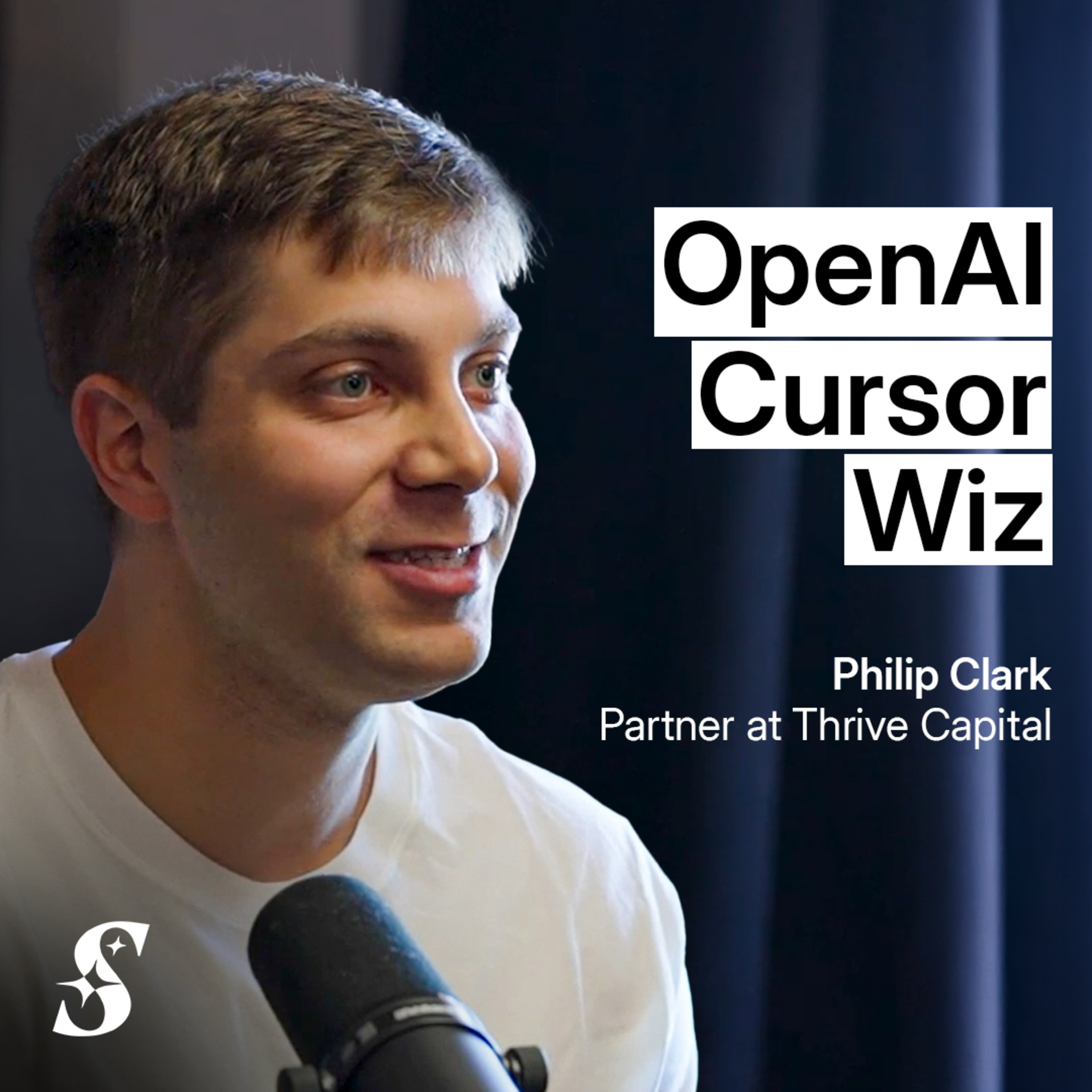
In capital-intensive sectors, the idea is secondary to the founder's ability to act as a magnet. Their primary function is to relentlessly attract elite talent and secure continuous funding to survive long development timelines before revenue.
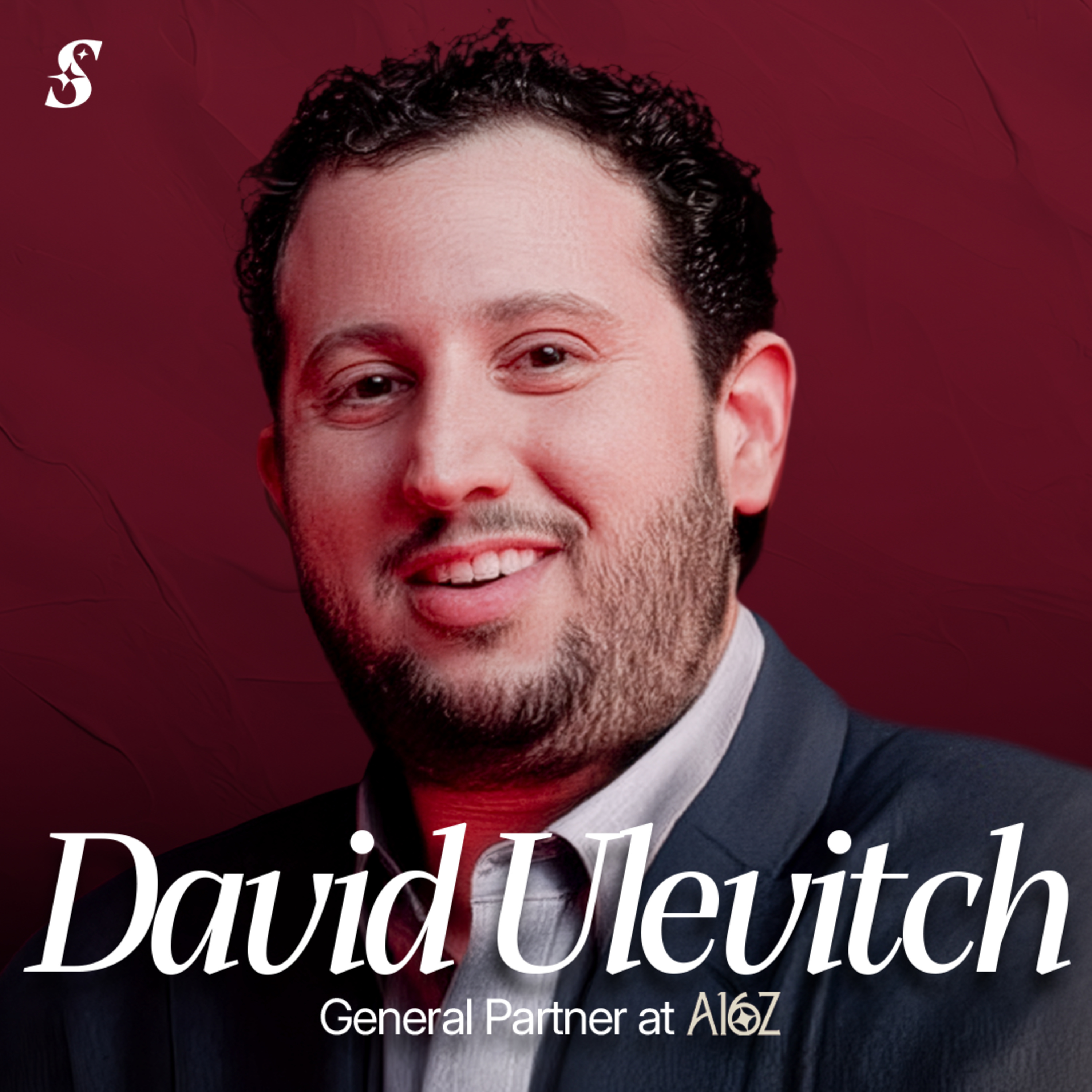
While assessed during diligence, the true caliber of a founder—their passion, authenticity, and ability to "run through walls"—becomes starkly clear after the deal closes. This distinction is not subtle; the impact of a truly exceptional founder versus an average one is immediately evident in the business's trajectory.

Beyond table stakes like hunger and vision, the most successful founders exhibit deep empathy ("people gene"), curiosity, and high emotional intelligence. They are secure, know their weaknesses, and often have a background in team sports, understanding that company building is a team effort.

When founders invest their own money, it signals an unparalleled level of commitment and belief. This act serves as a powerful 'magnetic pull,' de-risking the opportunity in the eyes of external investors and making them significantly more likely to commit their own capital.

A truly exceptional founder is a talent magnet who will relentlessly iterate until they find a winning model. Rejecting a partnership based on a weak initial idea is a mistake; the founder's talent is the real asset. They will likely pivot to a much bigger opportunity.

A founder's credibility acts as a multiplier on the perceived value of their narrative. An entrepreneur like Elon Musk, with a track record of success, receives a "multiple expansion on trust," allowing their futuristic stories to attract capital at valuations and scales that a first-time founder could not achieve.

Bootstrapping is often a capital constraint that limits a founder's full potential. Conversely, venture capital removes this constraint, acting as a forcing function that immediately reveals a founder's true capabilities in recruiting, product, and fundraising. It's the equivalent of 'going pro' by facing the raw question: 'How good am I?'

A startup's greatest superpower is being "legible to capital," where its vision and business model are so clear that investment is magnetically drawn to it. This requires the founder to embody the idea and frame the company as a simple equation where capital fuels super-linear growth.

A-level talent won't work for an unproven venture. Therefore, the entrepreneurial journey is a process of creating proof—through sales, product success, and personal reputation—that allows you to earn the right to attract the top-tier team members necessary to scale to the next level.
