Get your free personalized podcast brief
We scan new podcasts and send you the top 5 insights daily.
When an agent fixes a production issue, a human can instruct it via Slack to also update the core reliability documentation. This not only solves the immediate problem but durably encodes the process knowledge, turning ephemeral conversations into persistent, automated process improvements.
Related Insights
To prevent autonomous agents from operating in silos with 'pure amnesia,' create a central markdown file that every agent must read before starting a task and append to upon completion. This 'learnings.md' file acts as a shared, persistent brain, allowing agents to form a network that accumulates and shares knowledge across the entire organization over time.

Integrate AI agents directly into core workflows like Slack and institutionalize them as the "first line of response." By tagging the agent on every new bug, crash, or request, it provides an initial analysis or pull request that humans can then review, edit, or build upon.
Build a system where new data from meetings or intel is automatically appended to existing project or person-specific files. This creates "living files" that compound in value, giving the AI richer, ever-improving context over time, unlike stateless chatbots.

Instead of static documents, business processes can be codified as executable "topical guides" for AI agents. This solves knowledge transfer issues when employees leave and automates rote work, like checking for daily team reports, making processes self-enforcing.

Create a virtuous cycle for your knowledge base. Use AI to analyze closed support tickets, identify the core issue and solution, and propose a new FAQ entry if one doesn't exist. A human then reviews and approves the suggestion, continuously improving the AI's data source.
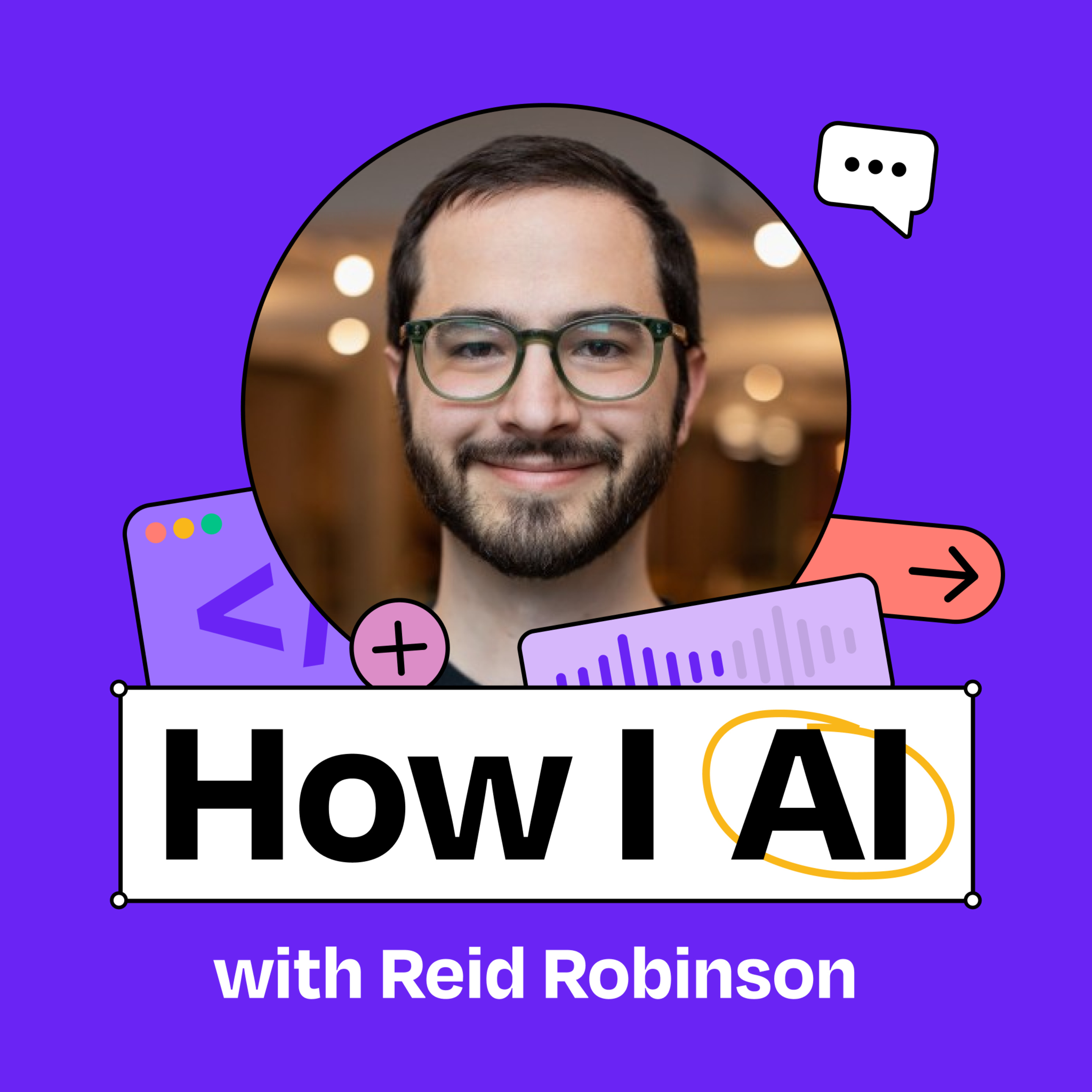
At Cursor, development is increasingly happening in Slack channels. Team members collectively kick off and redirect a cloud agent in a thread, turning development into a collaborative discussion. The IDE becomes a secondary tool, while communication platforms become the primary surface.
Establish a powerful feedback loop where the AI agent analyzes your notes to find inefficiencies, proposes a solution as a new custom command, and then immediately writes the code for that command upon your approval. The system becomes self-improving, building its own upgrades.

Building a bespoke communication layer for multiple AI agents is a complex "scaffolding" problem. A simpler, more direct solution is to treat agents as digital coworkers, assigning them accounts on existing platforms like Slack or Google Docs, enabling them to interact using established human workflows.
Instead of a multi-week process involving PMs and engineers, a feature request in Slack can be assigned directly to an AI agent. The AI can understand the context from the thread, implement the change, and open a pull request, turning a simple request into a production feature with minimal human effort.
To maximize an AI agent's effectiveness, treat it like a team member, not just a tool. Integrate it directly into your company's communication and project management systems (like Slack). This ensures the agent has the full context necessary to perform its tasks.