Get your free personalized podcast brief
We scan new podcasts and send you the top 5 insights daily.
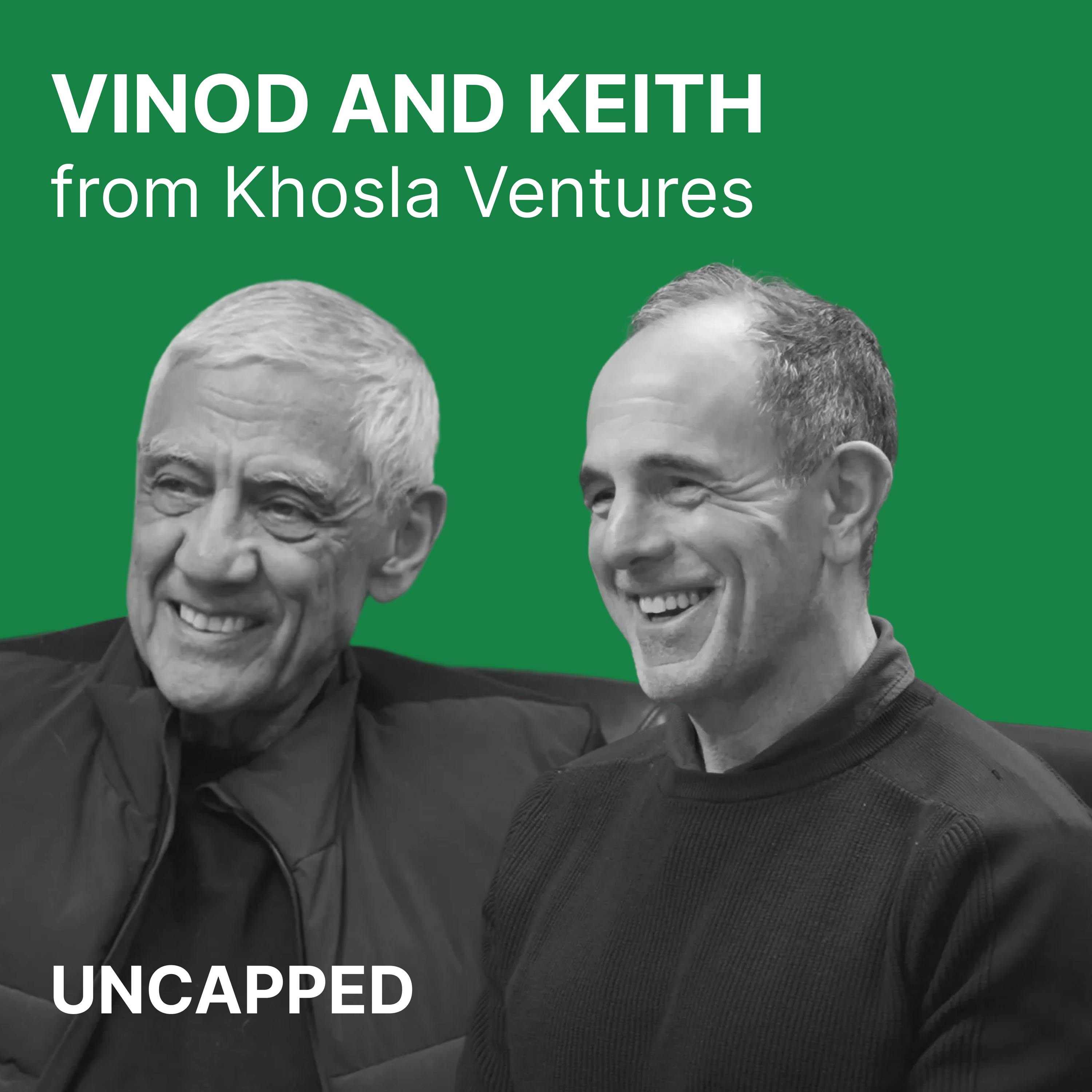
By breaking down decisions to their fundamental truths, Vinod Khosla and Keith Rabois can debate premises rather than opinions. This allows the two strong-willed partners to work together smoothly, quickly identify the core of any disagreement, and align on a logical path forward.
Related Insights
Shifting from a black-and-white "right vs. wrong" mindset to a probabilistic one (e.g., "I'm 80% sure") reduces personal attachment to ideas. This makes group discussions more fluid and productive, as people become more open to considering alternative viewpoints they might otherwise dismiss.
Founders often mistake their preferences for principles. A true principle is a non-negotiable rule you adhere to regardless of the trade-offs (e.g., 'always do things the right way'). A preference is a desired path you're willing to abandon when circumstances change (e.g., 'prefer not to build a sales team yet'). Clarifying this distinction leads to more consistent and high-integrity decisions.

To predict the future health of a partnership, intentionally have difficult conversations before any investment is made. If you can't productively disagree or discuss serious problems before you're formally linked, it's highly unlikely you'll be able to do so when the stakes are higher post-investment.

Instead of escalating disagreements, Atlassian's founders operated on a simple principle: if one couldn't be persuaded that an idea was good, it was likely not worth pursuing. This served as a critical decision-making filter and prevented major conflicts.
When smart partners think the other is an idiot, it's often due to a 'base assumption collision.' Each person operates on a different fundamental, unspoken belief about reality ('the world is X'). Identifying and discussing these hidden assumptions is key to resolving otherwise intractable conflicts.

For data-less decisions, PhonePe's co-founders have a simple rule: the partner with deeper historical strength in that domain makes the final call. The other commits fully, and they never revisit the decision, ensuring they learn and move forward without blame.
To assess a founder's learning rate and critical thinking, Khosla intentionally advocates for ideas he disagrees with. This tactic reveals if a founder will blindly accept advice or critically examine it, demonstrating their ability to filter input—a key trait he looks for.
Managing VCs is harder than managing corporate execs. VCs are high-IQ, disagreeable idea generators who dislike rules. The burden is on leadership to design an organization that minimizes conflict, as VCs can easily 'wreck each other's businesses' through competing investments, making interpersonal issues far more destructive.

Sequoia makes consensus investment decisions, viewing each deal as "our investment." This is only possible through a culture of high trust and "front stabbing"—brutally honest, direct debate about a deal's merits. This prevents passive aggression and ensures collective ownership.
Proactively asking a potential investor how they navigate disagreements reveals their philosophy on board governance and CEO autonomy. Investor Alex Nihanky of Scale notes the CEO is the "runner" and the tie should go to them, but not all investors share this view. This question helps founders vet investor fit before a conflict arises.