Get your free personalized podcast brief
We scan new podcasts and send you the top 5 insights daily.
Rather than using formal focus groups, Float validated its bold billboard concepts by involving a small group of existing, friendly customers in the creative process. This provided crucial feedback and built conviction without incurring significant extra cost or time.

Related Insights
Instead of focus groups, the team uses a full rehearsal day where staff and players test new promotions. If the internal team genuinely has fun and enjoys the experience, they know it will resonate with the audience. This "internal fun test" serves as their core product validation method before public launch.

Before launching a major campaign, build a small, informal panel of prospects and customers you can text for quick feedback. This simple, low-cost method provides direct market validation, reduces the risk of failure, and strengthens the business case for new ideas internally.

To get C-suite buy-in for long-term brand investment, marketers should run small, ring-fenced test campaigns. By isolating a market segment and layering brand tactics on top of demand generation, you can demonstrably prove superior growth compared to a control group, de-risking a larger investment.

Don't wait for large corporate campaigns to get audience feedback. Marketers should be "religiously" creating content on their personal social channels to micro-test messaging, language, and program ideas. This provides a direct, rapid feedback loop on what the audience actually cares about, enabling content-led innovation.
Pursuing large "whale" customers for early validation is risky because they often come with heavy demands that can derail the product vision. Instead, seek out innovative, mid-level companies who are early adopters. They provide better feedback, and building traction with them opens doors to larger clients later.

Float's successful billboard campaign focused on emotional, human personas like "the receipt loser" and "the big spender." Using a portrait photographer and vibrant colors, they stood out from typical logic-driven B2B ads, creating strong brand recall.
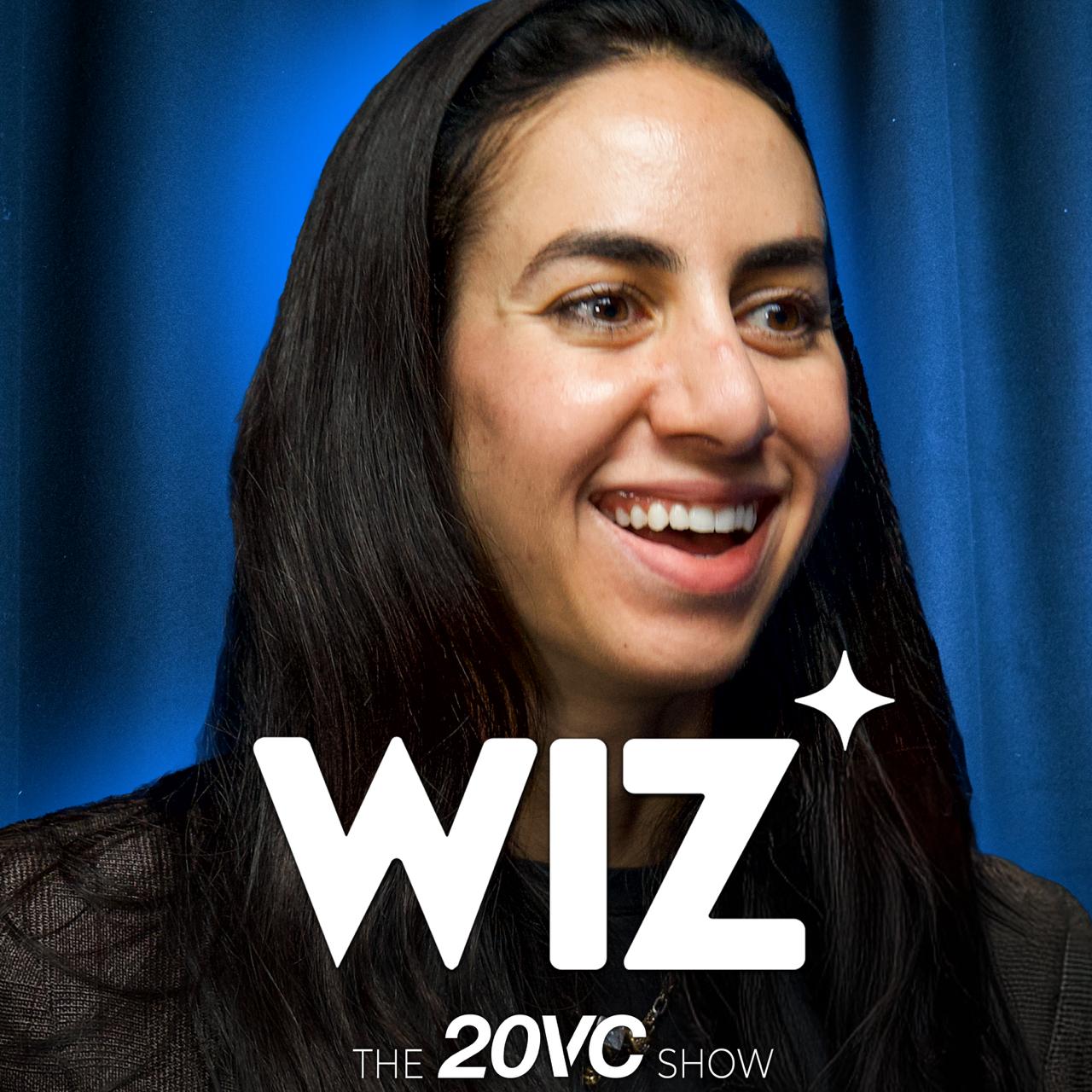
Coming from product, Wiz's CMO sees marketing as liberatingly low-risk. A bad product feature creates permanent technical debt and maintenance costs. In contrast, a failed marketing campaign can be stopped instantly with no lasting negative impact, which encourages creative and unconventional experiments.
Instead of pitching a solution, create a presentation deck that outlines your core assumptions as bold statements. Use this "story deck" to facilitate a conversation, not a presentation. This prompts customers to agree or disagree, revealing their true pain points and validating your hypothesis more effectively.
Instead of only testing minor changes on a finished product, like button color, use A/B testing early in the development process. This allows you to validate broad behavioral science principles, such as social proof, for your specific challenge before committing to a full build.

The best use of pre-testing creative concepts isn't as a negative filter to eliminate poor ideas early. Instead, it should be framed as a positive process to identify the most promising concepts, which can then be developed further, taking good ideas and making them great.