Get your free personalized podcast brief
We scan new podcasts and send you the top 5 insights daily.
Female physicians often find that patients treat them differently than male colleagues, sharing more and blurring lines into friendship. While rewarding, this dynamic complicates setting professional boundaries around communication and availability, creating a unique emotional labor that can contribute to burnout.

Related Insights
As AI handles complex diagnoses and treatment data, the doctor's primary role will shift to the 'biopsychosocial' aspects of care—navigating family dynamics, patient psychology, and social support for life-and-death decisions that AI cannot replicate.

Connective labor can be sustaining, not draining. Burnout occurs when the "social architecture" lacks support systems like "sounding boards" for practitioners to process their work. The problem isn't the emotional work itself, but the conditions under which it's performed.

Maintaining optimism in a field like oncology doesn't have to be an innate trait. A physician's sense of humor can be developed by being receptive to patients' own realism and wit. This creates a reciprocal human connection that helps both doctor and patient navigate difficult circumstances, turning it into a shared coping mechanism.
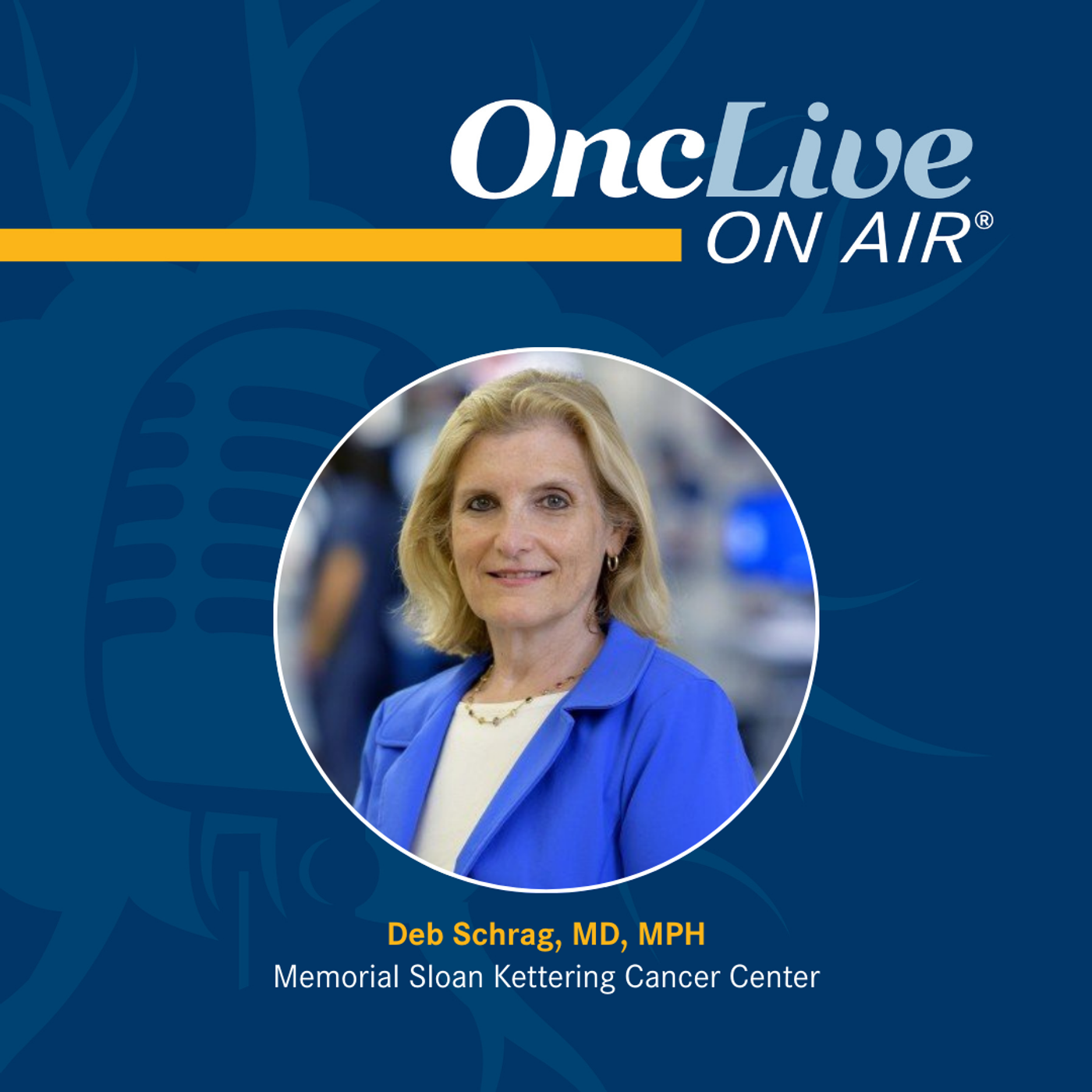
Beyond systemic fixes, Dr. Deb Schrag identifies a sense of community and shared purpose as a critical solution to physician burnout. Professional organizations like ASCO combat this crisis by creating energizing forums that reconnect oncologists to their core mission and colleagues.
A common misconception is that exercising feminine energy—being empathetic and collaborative—equates to being a pushover. This is false. Leaders can and should maintain strong, clear boundaries while leading from a place of empathy and creativity.

Empathy has three parts: emotional (feeling others' pain), cognitive (understanding it), and compassion (wishing them well). Emotional empathy—vicariously taking on others' suffering—is most associated with burnout. For caregivers and leaders, cultivating cognitive empathy and compassion is more sustainable and effective.

Masculine communication focuses on conveying semantic information, where understanding is confirmed by summarizing facts. Feminine communication aims to provoke a shared emotional experience. This disconnect causes conflict when men respond to the literal words women say, while women are trying to make their partner feel what they are feeling.

Public discourse comfortably accepts generalizations that women are better doctors, but similar statements about men being better entrepreneurs due to risk-aggression are met with discomfort. This reveals a bias in how gender-based attributes are perceived and discussed.

Therapist Nedra Glover-Tawwab reframes codependency not as an inherently bad trait, but as a spectrum of behavior. It can be a form of love or necessary support. The key is managing it with strong boundaries and cultivating other healthy relationships to prevent burnout.

Counterintuitively, the most profound moments of gratitude from patients often occur during the most difficult conversation: when the oncologist explains there are no further treatment options. This powerful response signifies the deep trust and appreciation built over years of dedicated care, even when a cure is not possible.