Get your free personalized podcast brief
We scan new podcasts and send you the top 5 insights daily.
Consistently great creative is underpinned by excellent operations. To achieve this, operational roles like program managers shouldn't be in a centralized PMO. They must be part of the creative organization to understand how their work directly enables high-quality output.

Related Insights
Don't just show creatives a summary report from the marketing team. Giving designers, copywriters, and video editors raw access to performance data allows them to spot non-obvious patterns and make intuitive leaps that analytical minds might miss, leading to better creative.
Contrary to stereotypes, the best creative leaders possess a strong understanding of business mechanics. They use this knowledge not just for operational success, but as a crucial tool to protect their creative vision and build a robust, defensible enterprise.

A highly effective creative process can be structured like a business with specialized departments. In songwriting, instrumentalists first create a 'vibe' or emotional foundation. Lyricists then interpret that feeling and build a narrative. This division of labor allows each member to excel in their specific 'sandbox' without needing to be a jack-of-all-trades, resulting in a more cohesive and efficiently produced final product.

To maximize creativity and dynamism, Netflix operates with minimal process, managing as "loosely" as possible without falling into actual chaos. Unlike manufacturing, which seeks to reduce variance, creative organizations should embrace high variance to foster innovation.
![Reed Hastings - Building Netflix - [Invest Like the Best, EP.453] thumbnail](https://megaphone.imgix.net/podcasts/2f1ecac4-e4ba-11f0-a8e8-777eb8de0c5a/image/28fb3c25b09448a35f17657a5e614900.jpg?ixlib=rails-4.3.1&max-w=3000&max-h=3000&fit=crop&auto=format,compress)
Don't blame the agency for underperforming creative. The root cause is often internal: outdated processes and organizational issues that "roll downhill." The creative is merely the most visible scapegoat for a deeper, strategic or operational failure.
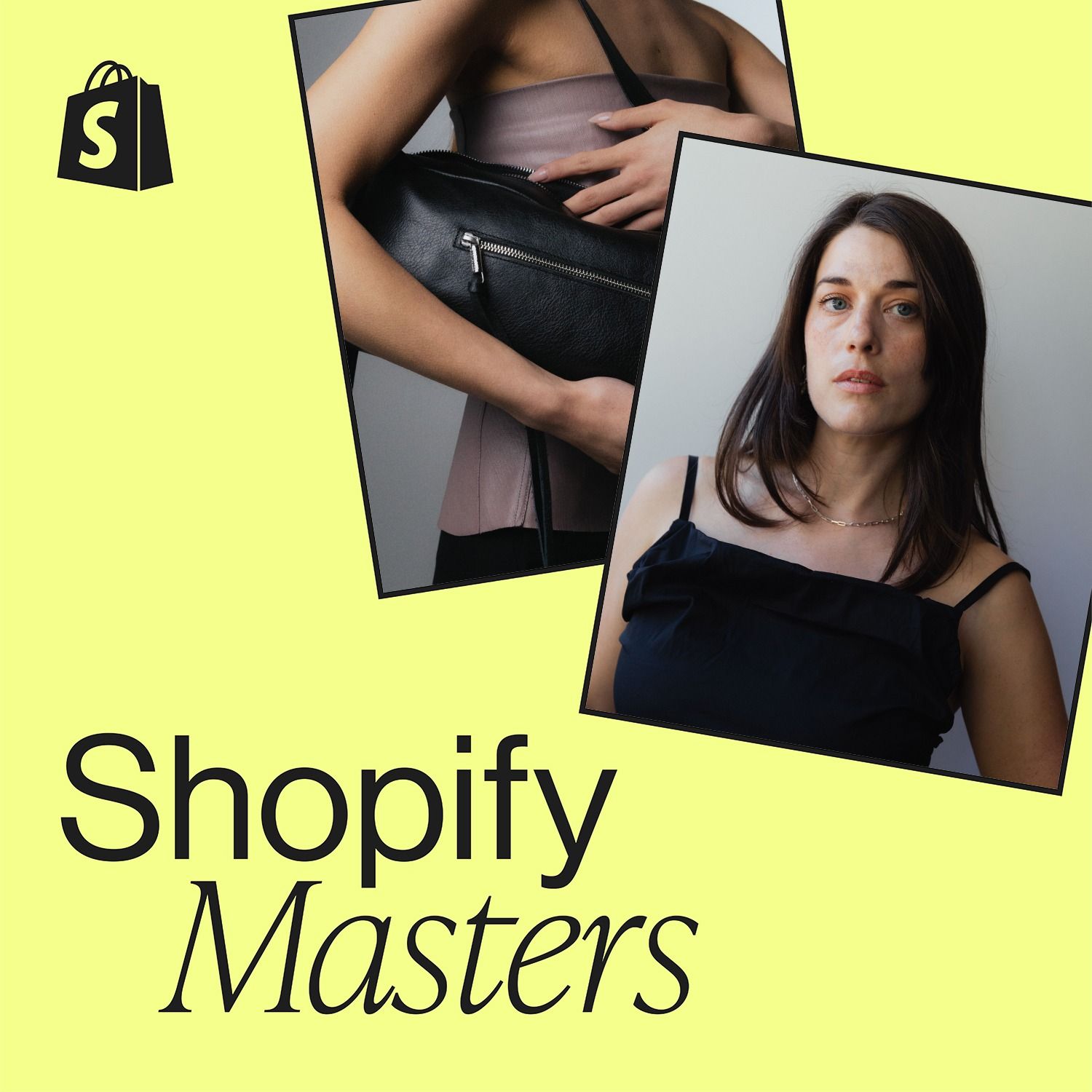
To scale production while maintaining quality, Sonya Lee uses millimeter-level sewing tolerances and precise guides, removing all guesswork. This operational rigidity creates product consistency. Paradoxically, this frees up staff's mental energy, allowing the founder to delegate creative tasks like styling and new product design, which fosters team ownership.
Lifetime's CCO argues that creative leaders should not become pure managers. He maintains his edge and leads by example by actively participating in the creative process, from logo design to app experience concepts. He believes any creative leader who doesn't "get their hands dirty" is less trustworthy and effective.

The best products are built when engineering, product, and design have overlapping responsibilities. This intentional blurring of roles and 'stepping on each other's toes in a good way' fosters holistic product thinking and avoids the fragmented execution common in siloed organizations.

At his first company, Hastings learned that treating software development like a manufacturing process with rules to reduce errors led to declining talent density. High-performers thrive in an environment of inspiration and creativity, not rigid processes that drive them out.
Transform a creative department from a production house into a strategic partner by changing how you brief them. Instead of giving prescriptive directives, present the business problem that needs to be solved. This empowers creative minds to contribute to strategy and deliver more impactful solutions, not just executions.