Get your free personalized podcast brief
We scan new podcasts and send you the top 5 insights daily.
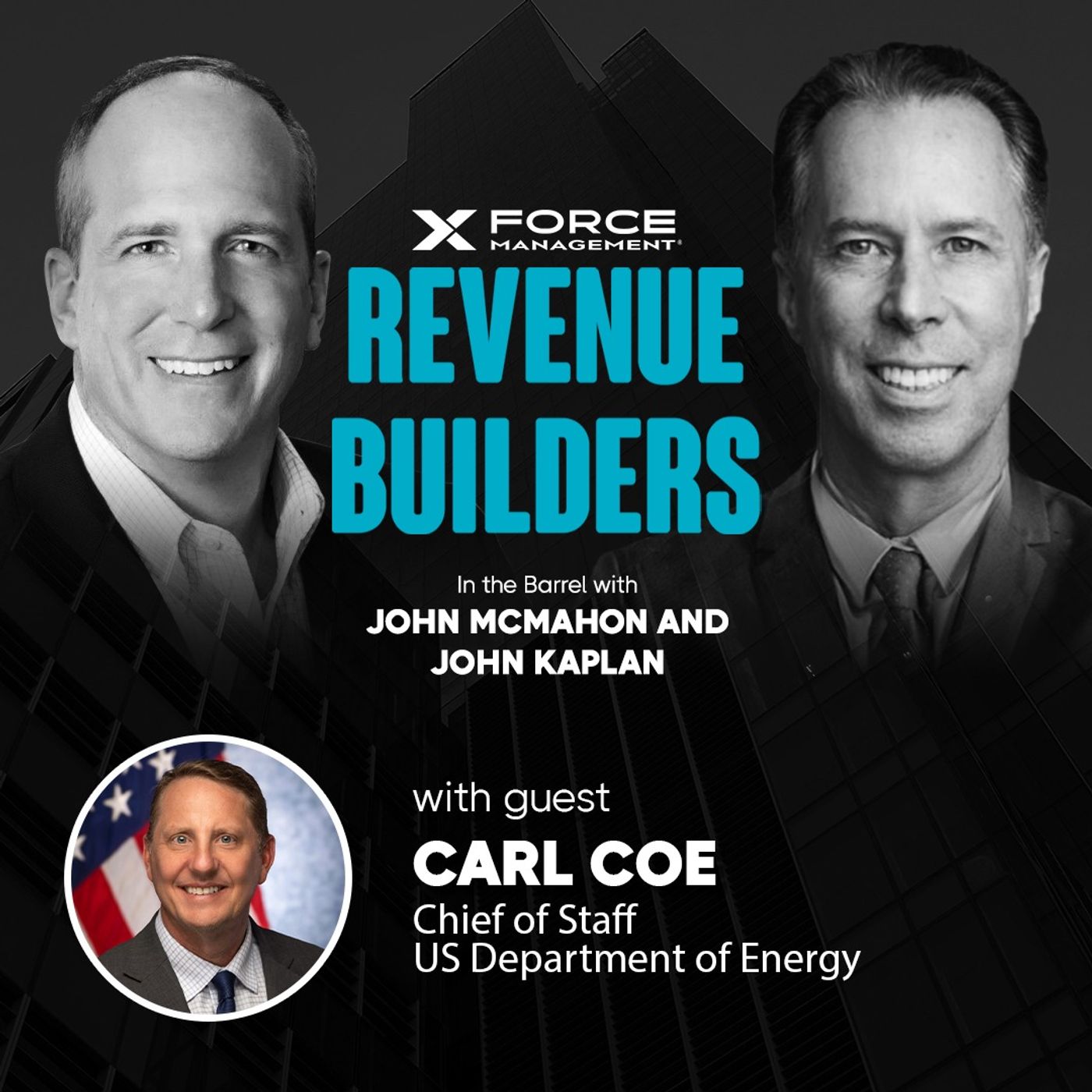
A major software vendor pitched a $50M deal directly to the DOE Chief of Staff, assuming top-level access was a shortcut. The pitch failed because they hadn't validated the need or built internal champions. High-level meetings are useless without foundational sales work proving a real problem exists for the organization.
Related Insights
Agencies often pitch exciting, ambitious "North Star" campaigns that get one department excited. However, these ideas frequently fail because the client's internal teams (e.g., digital, PR, comms) are siloed and not aligned. The agency sells a vision that other departments ultimately block, leading to an inability to deliver.

Stop trying to convince executives to adopt your priorities. Instead, identify their existing strategic initiatives—often with internal code names—and frame your solution as an accelerator for what they're already sold on doing. This dramatically reduces friction and speeds up deals.

The world of Fortune 500 executives is a small, interconnected community. Rather than casting a wide marketing net, focus all energy on securing one key 'lighthouse' customer. Over-deliver value for them, even if the deal isn't profitable. Their endorsement and introductions to peers are more effective than any marketing channel.

Generic use cases fail to persuade leadership. To get genuine AI investment, build a custom tool that solves a specific, tangible pain point for an executive. An example is an 'AI board member' trained on past feedback to critique board decks before a meeting, making the value undeniable.

Don't pitch big ideas by going straight to the CEO for a mandate; this alienates the teams who must execute. Instead, introduce ideas casually to find a small group of collaborative "yes, and" thinkers. Build momentum with this core coalition before presenting the developed concept more broadly.

Enterprise leaders aren't motivated by solving small, specific problems. Founders succeed by "vision casting"—selling a future state or opportunity that gives the buyer a competitive edge ("alpha"). This excites them enough to champion a deal internally.

Carl Coe, Chief of Staff for the U.S. Secretary of Energy, found that foundational principles from his aggressive tech sales career—urgency, persistence, and qualification—are surprisingly effective for navigating and reforming the Department of Energy. These core tenets of high-growth business translate directly to pushing massive government initiatives forward.
In siloed government environments, pushing for change fails. The effective strategy is to involve agency leaders directly in the process. By presenting data, establishing a common goal (serving the citizen), and giving them a voice in what gets built, they transition from roadblocks to champions.

Securing executive buy-in is its own sales stage, distinct from champion agreement. Don't just repeat the demo for the boss. Use executive-level tactics like reference calls with their peers, exec-to-exec meetings to build relationships, or roadmap presentations to sell the long-term vision and partnership.
Instead of approaching leaders first, engage end-users to gather 'ammunition' about their daily pains. They may not have buying power, but their firsthand accounts create a powerful internal case (groundswell) that you can then present to management, making the approach much warmer and more relevant.
