Get your free personalized podcast brief
We scan new podcasts and send you the top 5 insights daily.
The need for external validation about dropping out of college signals a lack of the intrinsic conviction required for entrepreneurship. Truly committed founders don't ask for permission; they act on their vision, even if it feels terrifying.

Related Insights
True entrepreneurship often stems from a 'compulsion' to solve a problem, rather than a conscious decision to adopt a job title. This internal drive is what fuels founders through the difficult decisions, particularly when forced to choose between short-term financial engineering and long-term adherence to a mission of creating real value.

For entrepreneur Emma Hernan, the fear of failure is less significant than the regret of procrastination. She advises aspiring founders that the greatest risk isn't that a venture might fail, but that it might never start. The opportunity cost of waiting is higher than the cost of a potential misstep.

Every successful founder journey includes a point where quitting is the most rational decision. Spencer Skates argues the only way to persevere is to anchor to a deeply held intrinsic motivation or a "mission that's greater than yourself." External motivators like money or recognition are insufficient to overcome this existential pain.
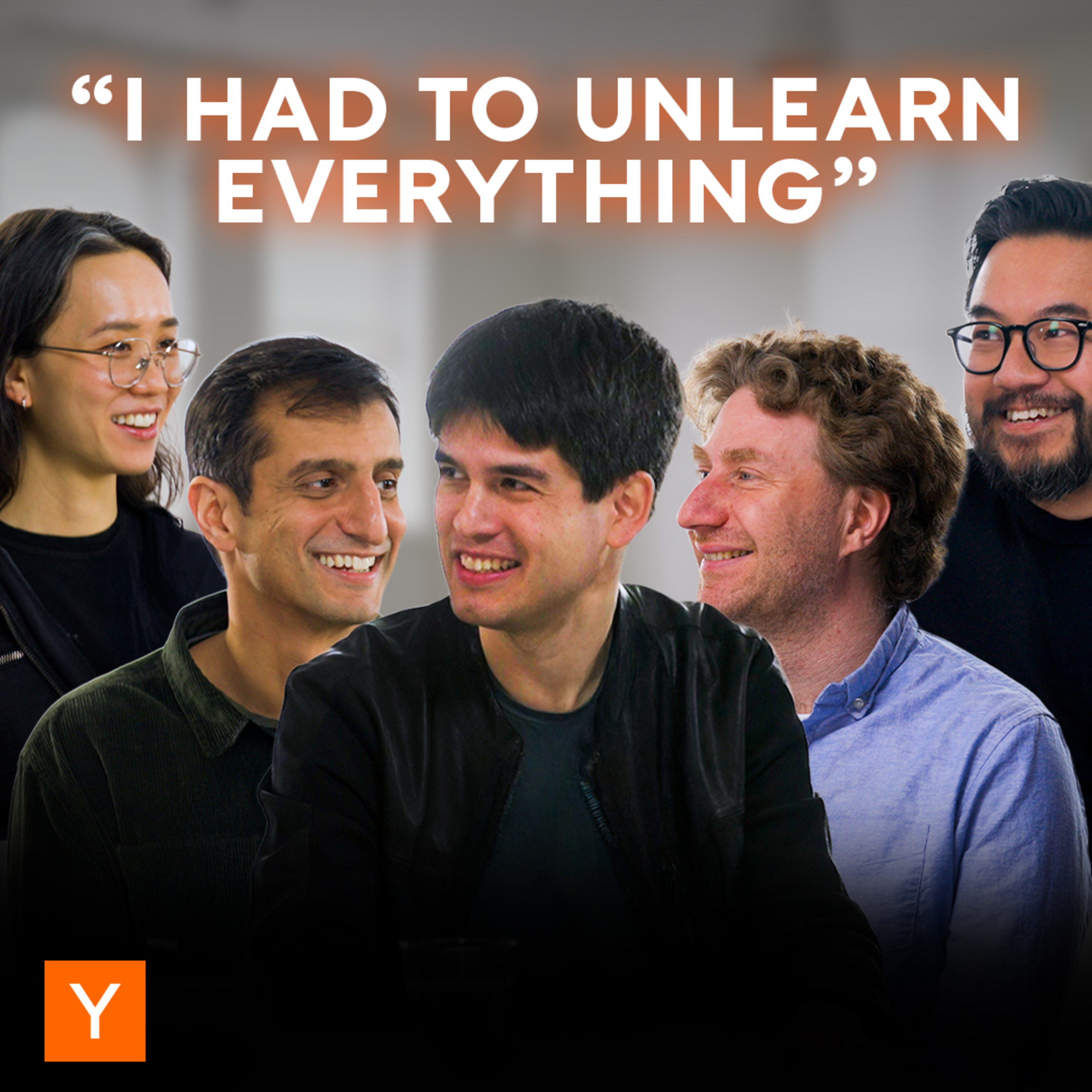
For young people pursuing non-traditional careers, parental discomfort is a preferable outcome to seeking approval. If you succeed, their pride is immense. If you fail, you learn to operate without their validation. Both outcomes build crucial entrepreneurial resilience.

To test an entrepreneur's resolve, Lanny Smith's first piece of advice is to abandon their idea. He believes if simple discouragement can stop someone, they lack the resilience for building a company. Only those with "undeniable faith" will proceed, making it a powerful litmus test.

Many founders start companies simply because they want the title, not because they are obsessed with a mission. This is a critical mistake, as only a deep, personal passion for a problem can sustain a founder through the inevitable hardships of building a startup.
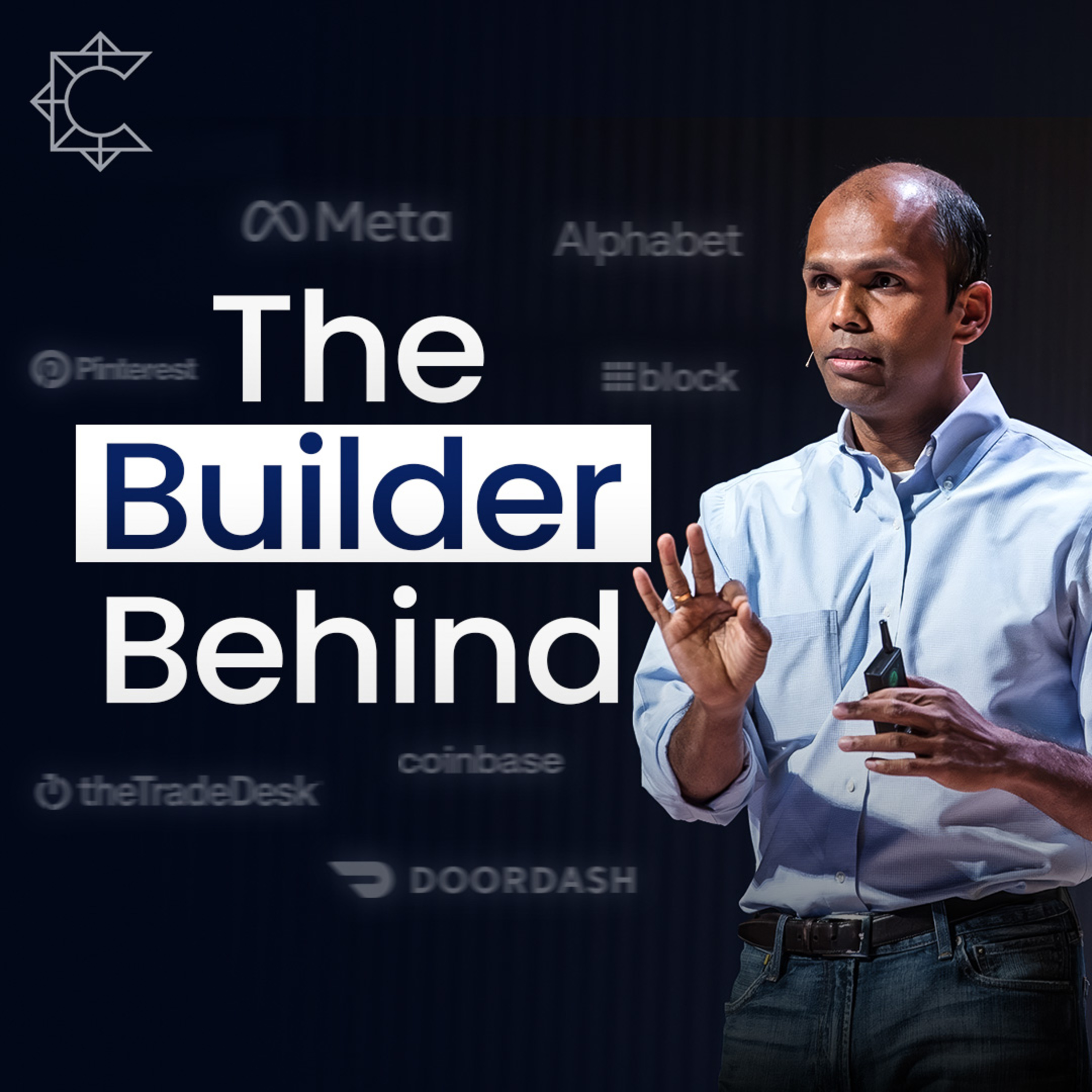
Founders often need to shed the mindset instilled by traditional, prestigious careers. This involves questioning subconscious drivers like "what should I do?" and intentionally replacing them by surrounding yourself with people who have non-linear life paths and different value systems.

Lacking a traditional resume forces young founders to constantly learn, as they have no preconceived notions of how things 'should' be done. This contrasts with experienced leaders who might wrongly assume their past success provides a playbook for a new market or company stage.

The number one reason founders fail is not a lack of competence but a crisis of confidence that leads to hesitation. They see what needs to be done but delay, bogged down by excuses. In a fast-moving environment, a smart decision made too late is no longer a smart decision.

The motivation to start a company wasn't about a guaranteed outcome but about embracing the ultimate test of one's capabilities. The realization that most founders, regardless of experience, are figuring it out as they go is empowering. It reframes the founder journey from a path for experts to a challenge for the determined.
