Get your free personalized podcast brief
We scan new podcasts and send you the top 5 insights daily.
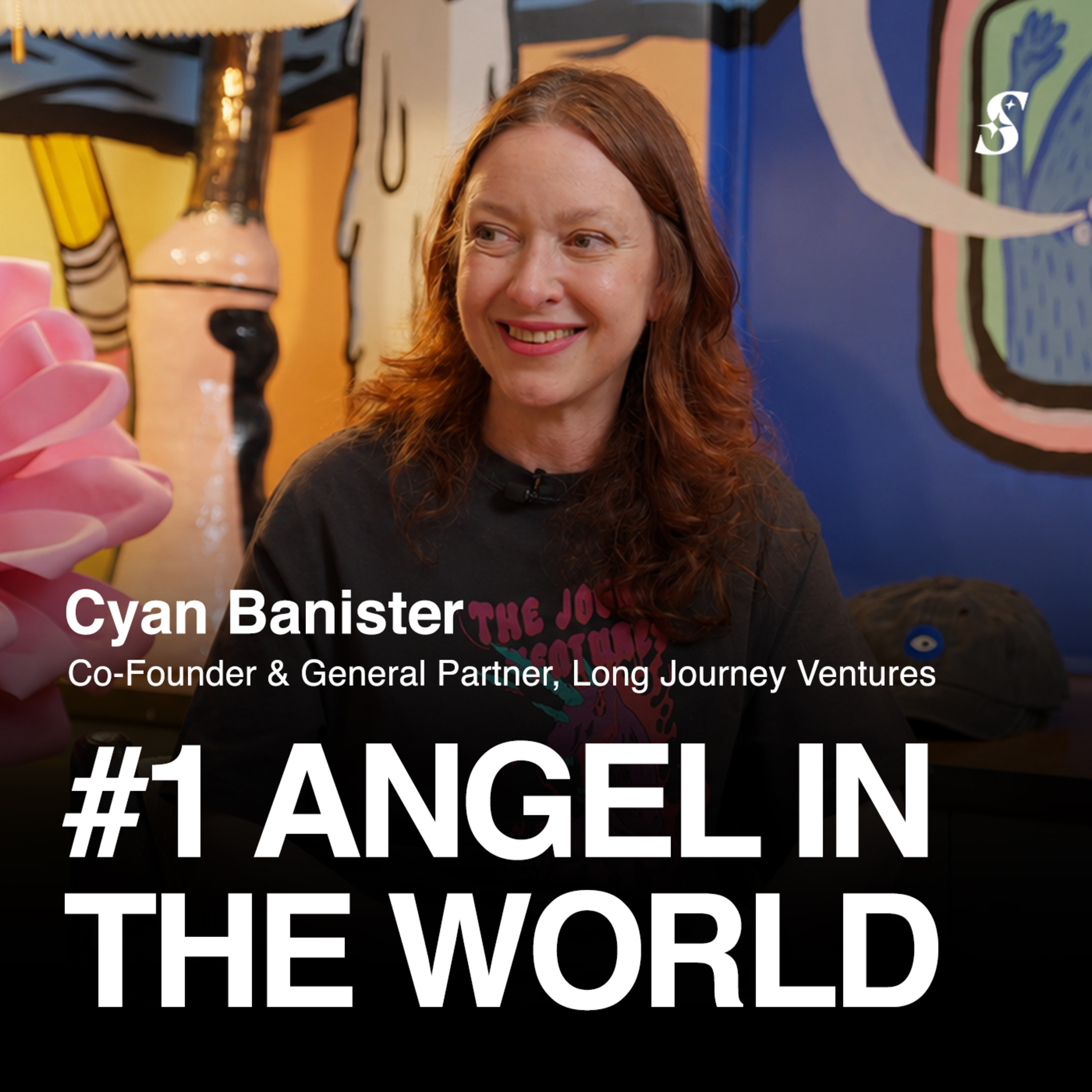
Cyan Banister's firm uses a metaphor of two candles. The investor (the "second believer") lights their candle from the founder's initial spark and holds that flame, ready to re-ignite the founder's own if it goes out during tough times.
Related Insights
An effective VC isn't just an unbridled optimist. They are a 'cynical optimist' who balances belief in the future with realism about current challenges. Their role is to steady a founder's emotions—tempering excitement in good times and providing uplift in bad times, rather than simply cheerleading.

Gary Vaynerchuk's investment thesis centers on a founder's character, specifically their resilience. He looks for founders who, when metaphorically "punched in the face," will get back up and fight even harder, seeing this as the key indicator of massive success.

Beyond capital, a VC's network and operational support serve a key psychological function. By providing access to key hires, customers, and government officials, the firm builds a founder's confidence, putting them in a 'virtuous cycle' to make faster, better decisions and transition from inventor to CEO.

The ideal founder-investor dynamic is built on a shared, unique vision—like being "in on a secret together." When an investor deeply believes in a startup's specific approach, it fosters the trust needed for radical honesty about challenges, which in turn unlocks their network and resources for help.

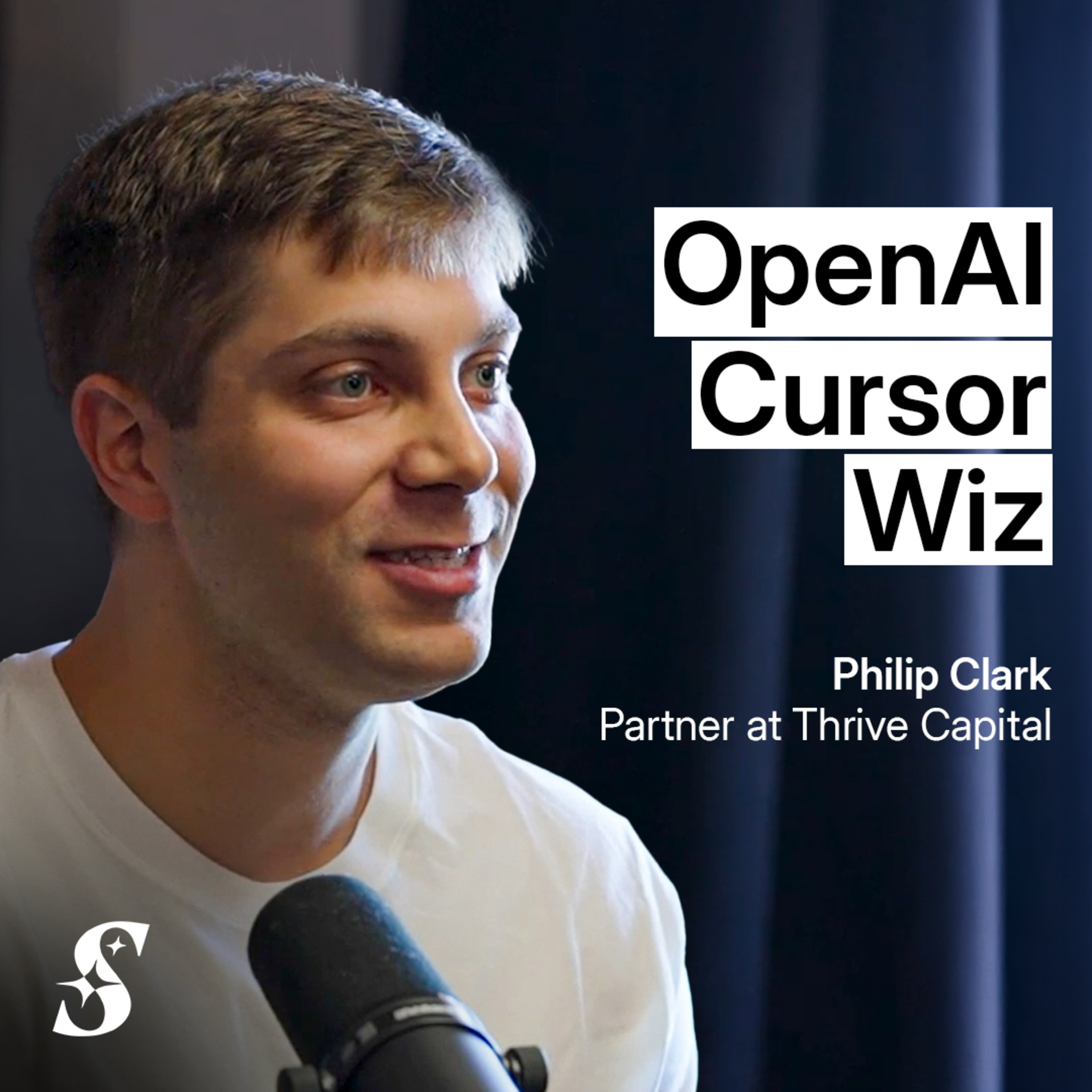
When meeting Cursor's founder, the investor felt an "electric energy" even as the founder was pivoting away from his original idea. This highlights that for elite early-stage investors, the founder's intrinsic drive and potential are the constant to bet on, as ideas will inevitably change.
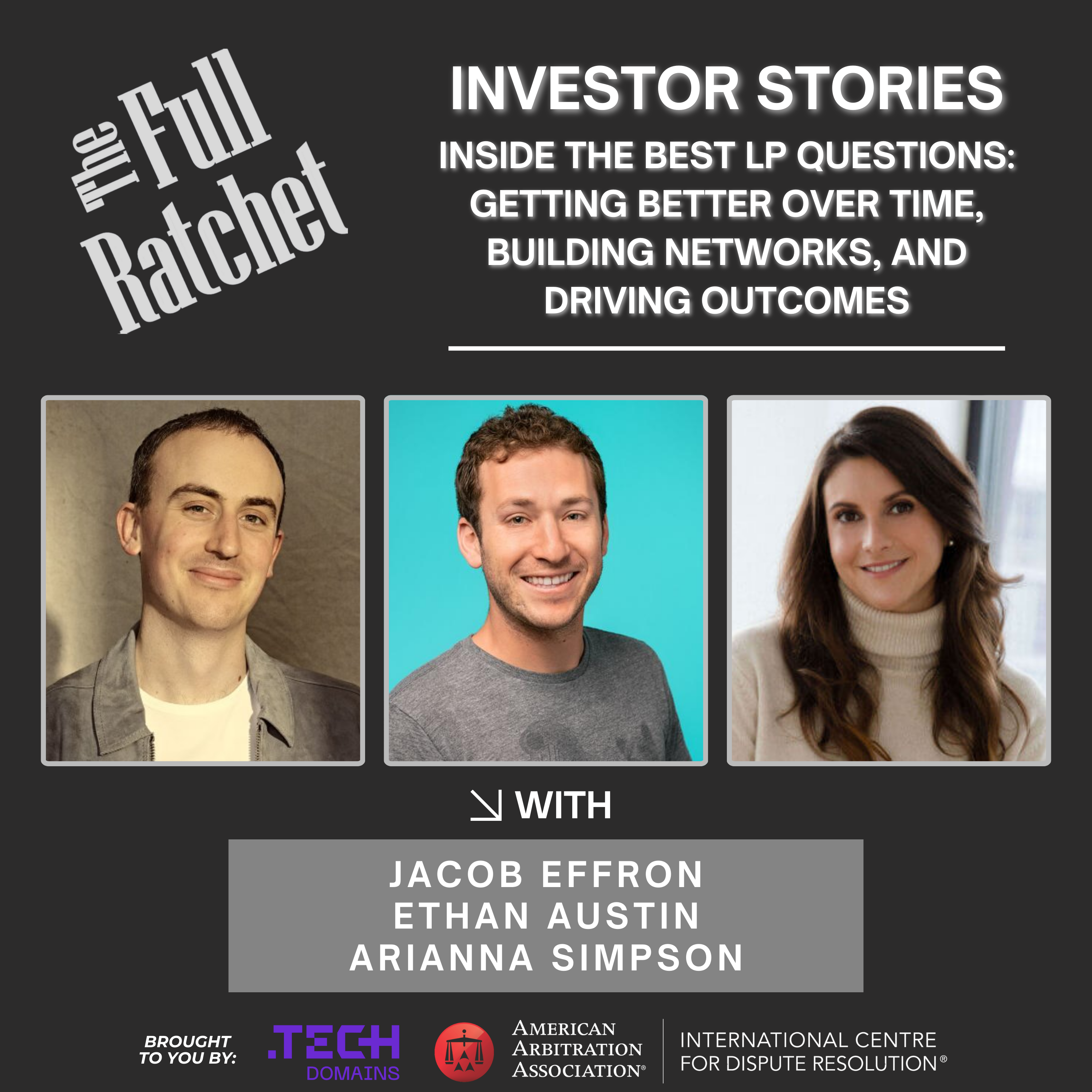
While investing last in a round is less risky, Outside VC's Ethan Austin favors being the first investor. This 'first believer' position allows the firm to have a more significant impact on the company's direction and development, which he finds more rewarding.
VCs can handle pivots and financial struggles. Their primary nightmare is a founder who quits. A startup's ultimate survival hinges on the founder's psychological resilience and refusal to give up, not just market or product risk.

Competing to be a founder's "first call" is a crowded, zero-sum game. A more effective strategy is to be the "second call"—the specialist a founder turns to for a specific, difficult problem after consulting their lead investor. This positioning is more scalable, collaborative, and allows for differentiated value-add.

In early-stage investing, the quality of the founder can be more important than the initial business concept. A strong founder is seen as someone who will eventually find success, even if the first idea requires a pivot.
A VC has truly succeeded when a founder, in retrospect, feels they were like a co-founder. This signifies a deep, proximate, and unconditional partnership that went beyond transactions or advice, providing existential support through the company's entire journey.