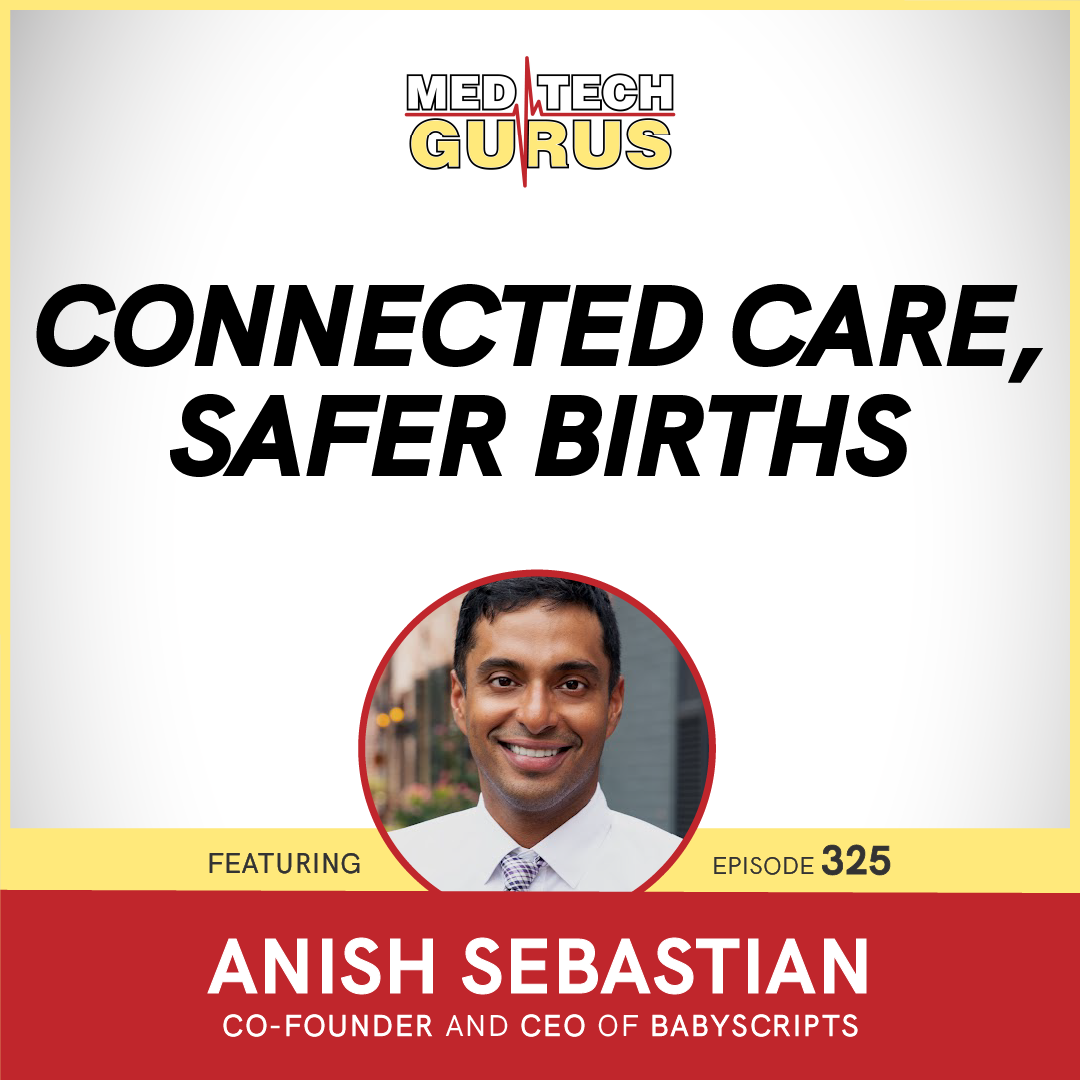
BabyScripts' CEO argues that modern maternal care should mirror the "it takes a village" adage. By virtually connecting patients to a diverse team—nutritionists, mental health advocates, and care navigators—platforms can provide holistic support beyond the core obstetrician, improving both outcomes and efficiency.
Product stickiness in health systems is achieved through deep workflow integration. By embedding a solution into the daily processes of every stakeholder—from medical assistants to billing coordinators—it becomes entrenched and difficult to replace, mirroring the zero-churn model of EMR giant Epic.
Contrary to the belief that virtual care primarily serves rural areas, its value is significant in urban settings. It removes "hidden" barriers for hourly workers, such as lost wages from taking a full day off, transportation time, and parking costs—all for a short, routine check-up.
Seeking "strategic capital" from customers who have their own innovation funds creates powerful alignment. This model makes the customer an investor, providing direct feedback on product implementation and scaling while allowing them to share in the financial upside, ensuring a mutually beneficial partnership.
The entire system of prenatal and postpartum care is fundamentally designed as a triage mechanism. Since roughly 75% of pregnancies are uncomplicated, its primary purpose is not to medicalize a natural process, but to efficiently identify and manage the 25% of cases that will face complications.
The ideal founder-investor dynamic is built on a shared, unique vision—like being "in on a secret together." When an investor deeply believes in a startup's specific approach, it fosters the trust needed for radical honesty about challenges, which in turn unlocks their network and resources for help.
Patient success stories are a powerful internal motivational tool, not just a marketing asset. Sharing them internally serves as a "galvanizing force" for the team, especially on difficult days. This practice reinforces the company's mission and provides the energy to persevere through startup challenges.