Get your free personalized podcast brief
We scan new podcasts and send you the top 5 insights daily.
Beyond capital, a VC's network and operational support serve a key psychological function. By providing access to key hires, customers, and government officials, the firm builds a founder's confidence, putting them in a 'virtuous cycle' to make faster, better decisions and transition from inventor to CEO.

Related Insights
A venture capitalist's career security directly impacts the founder relationship. VCs with a proven track record (like Sequoia's Andrew Reed) act as supportive partners. In contrast, junior or less successful VCs often transfer pressure from their own partnerships onto the founder, creating a stressful and counterproductive dynamic.

A top-tier VC's primary value isn't just capital; it's the immediate credibility they lend to a startup that may not have earned it yet. This credibility is then 'harvested' to attract elite talent, future funding, and crucial brand momentum.
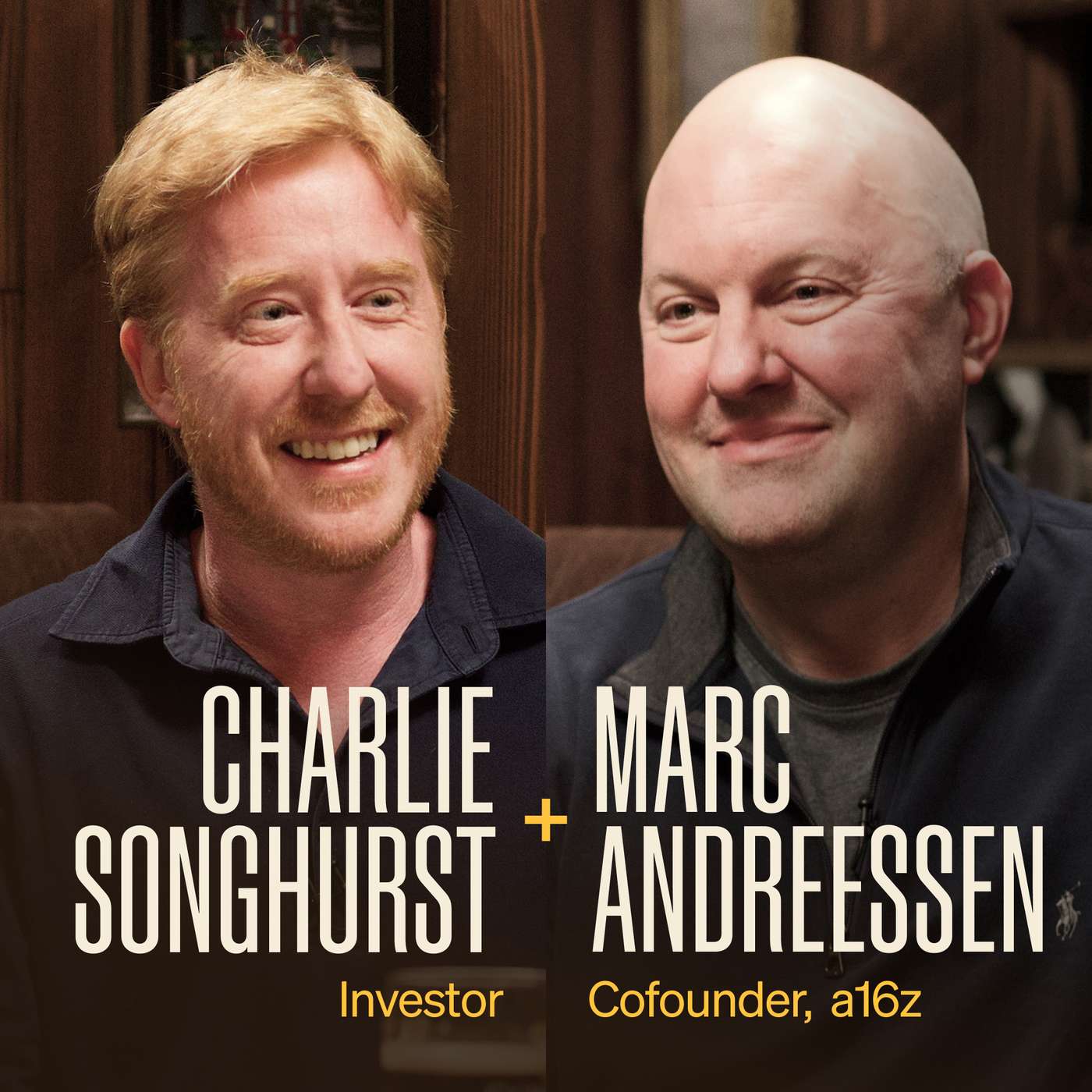
Alfred Lin's framework for board members is to be supportive 'shock absorbers' during hardships, helping founders pick up the pieces. When the company is succeeding, they become 'sparring partners' to challenge founders, prevent complacency, and push the business to the next level.
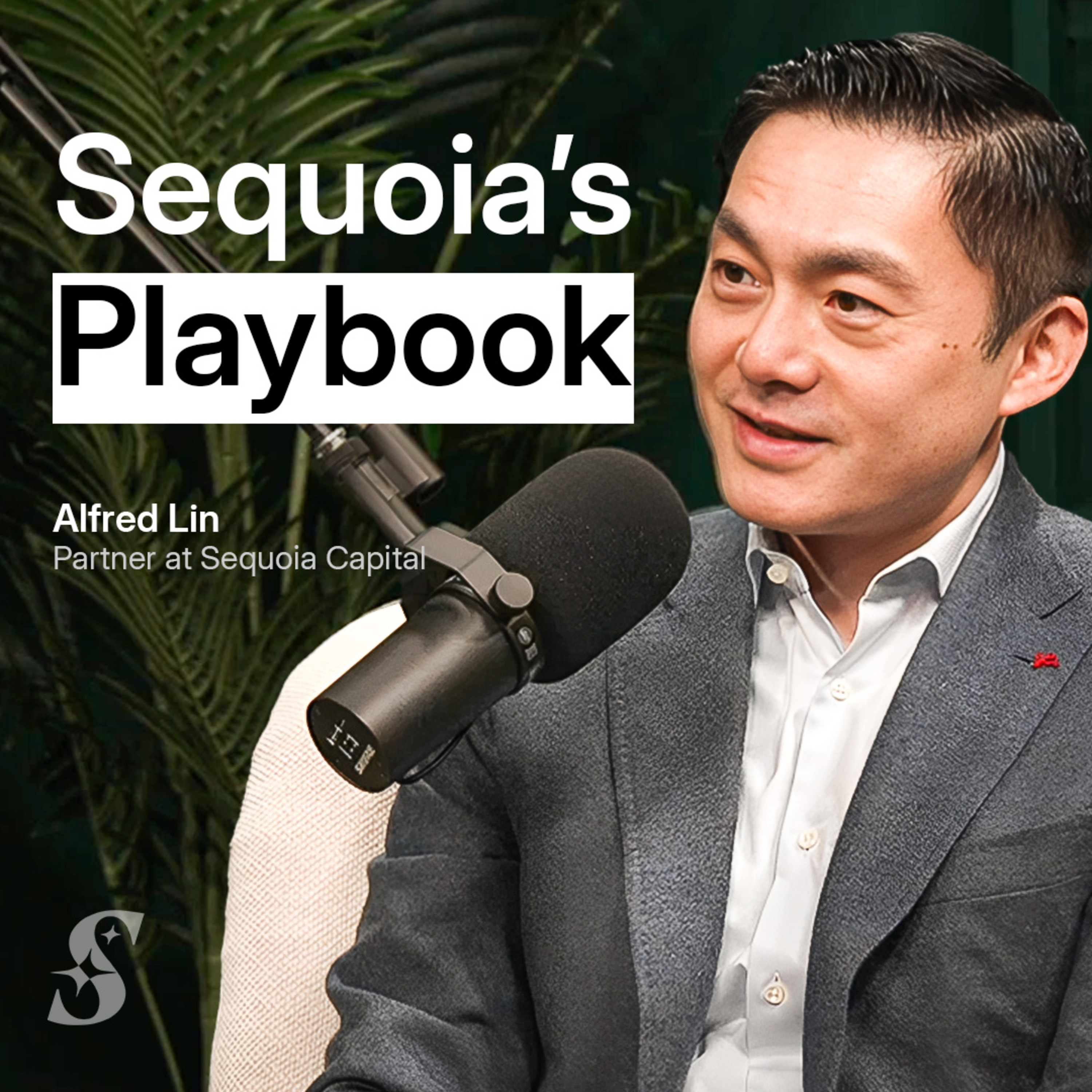
Value-add isn't a pitch deck slide. Truly helpful investors are either former operators who can empathize with the 0-to-1 struggle, or they actively help you get your first customers. They are the first call in a crisis or the ones who will vouch for you on a reference call when you have no other credibility.

Beyond capital and advice, the core value of a batch-based accelerator is combating the profound isolation founders feel. Stepping off the traditional career path creates deep-seated stress and doubt. Being in a room with peers on the same journey provides crucial validation and the psychological fuel to continue.

The most fulfilling and effective angel investments involve more than capital. Founders benefit most from investors who act as operators, offering hands-on help and staying involved in the business. This approach is more rewarding and can lead to better outcomes than passive check-writing.

VCs with operator backgrounds can provide a unique type of support, acting as a "favorite uncle." They are a safe sounding board for sensitive, human-centric challenges like layoffs, where founders may hesitate to speak with board members who are solely focused on growth metrics.

Beyond the network and money, a key YC benefit is the profound psychological impact of having respected partners who genuinely believe in your mission. For a lonely early-stage founder, this support transforms the journey from a solitary struggle into feeling like they're "playing for the home team," which raises the stakes and boosts motivation.

Bootstrapping is often a capital constraint that limits a founder's full potential. Conversely, venture capital removes this constraint, acting as a forcing function that immediately reveals a founder's true capabilities in recruiting, product, and fundraising. It's the equivalent of 'going pro' by facing the raw question: 'How good am I?'

The firm's structure is a psychological tool. It gives founders access to an otherwise inaccessible network, creating small wins that build confidence. This prevents the 'vicious confidence spiral' caused by bad advice and slow progress, enabling faster, bolder decision-making.