Get your free personalized podcast brief
We scan new podcasts and send you the top 5 insights daily.
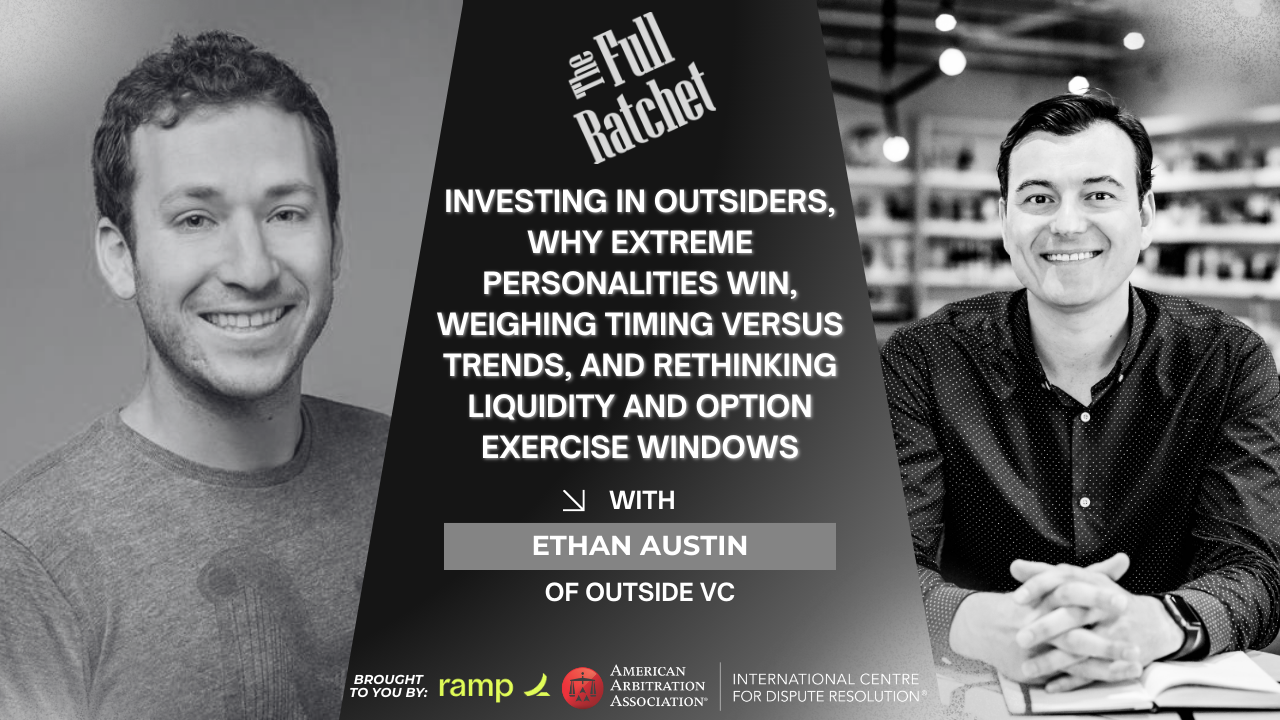
While investing last in a round is less risky, Outside VC's Ethan Austin favors being the first investor. This 'first believer' position allows the firm to have a more significant impact on the company's direction and development, which he finds more rewarding.
Related Insights
To win the best pre-seed deals, investors should engage high-potential talent during their 'founder curious' phase, long before a formal fundraise. The real competition is guiding them toward conviction on their own timeline, not battling other VCs for a term sheet later.
Instead of coaching unconventional founders to be more palatable for mainstream Series A investors, early backers should encourage them to lean into their unique traits. The investor's role is to help them find the right future partners who appreciate their peculiar worldview, not to change it.
When a credible, external VC leads a follow-on round at what seems like a high price, it provides a strong signal of validation. This should prompt existing investors to overcome their anchoring bias and increase their own investment.

While multi-stage funds offer deep pockets, securing a new lead investor for later rounds is often strategically better. It provides external validation of the company's valuation, brings fresh perspectives to the board, and adds another powerful, committed firm to the cap table, mitigating signaling risk from the inside investor.

Fundraising isn't a single transaction. A top Japanese VC prefers to invest in founders he's known for over two years, valuing trust built through long-term relationships over a polished fundraising pitch.

A universal ownership target is flawed. The strategy should adapt to a company's traction. For rare, breakout companies with undeniable product-market fit ('absolutely working'), a VC should take any stake they can get. For promising but unproven ideas ('could work'), they must secure high ownership to compensate for the greater risk.

Competing to be a founder's "first call" is a crowded, zero-sum game. A more effective strategy is to be the "second call"—the specialist a founder turns to for a specific, difficult problem after consulting their lead investor. This positioning is more scalable, collaborative, and allows for differentiated value-add.

When founders invest their own money, it signals an unparalleled level of commitment and belief. This act serves as a powerful 'magnetic pull,' de-risking the opportunity in the eyes of external investors and making them significantly more likely to commit their own capital.

In a market where capital is a commodity, early-stage founders prioritize VCs who provide an immediate, tangible edge. The most valuable contributions are warm introductions to land first customers, network access to secure the next round of funding, and unfiltered feedback from experienced operators.

True alpha in venture capital is found at the extremes. It's either in being a "market maker" at the earliest stages by shaping a raw idea, or by writing massive, late-stage checks where few can compete. The competitive, crowded middle-stages offer less opportunity for outsized returns.
