Get your free personalized podcast brief
We scan new podcasts and send you the top 5 insights daily.
High U.S. tariffs on China serve a strategic purpose beyond economics: to maintain a "structural separation" between China and key American allies like Europe and Japan. This core objective makes a large-scale tariff reset highly unlikely, regardless of summit outcomes.

Related Insights
Paradoxically, tariffs intended to punish China could result in it facing lower duty rates than US allies like Japan or South Korea. This is because China possesses unique retaliatory leverage (e.g., rare earths) to force targeted tariff reductions from the U.S., an option unavailable to other nations.

The tariff war was not primarily about revenue but a strategic move to create an "artificial negotiating point." By imposing tariffs, the U.S. could then offer reductions in exchange for European countries committing to American technology and supply chains over China's growing, low-cost alternatives.

Contrary to its goals, the U.S. trade war has resulted in self-isolation. Data shows the U.S. is the only country buying less from China, while U.S. allies and developing nations have increased their trade, leading to a record $1 trillion surplus for China. This highlights a strategic miscalculation in U.S. foreign trade policy.

While publicly announcing a trade truce with China, the Trump administration simultaneously signed deals with other Asian nations to diversify supply chains and bolster defense partnerships, effectively preparing for future confrontation with Beijing.
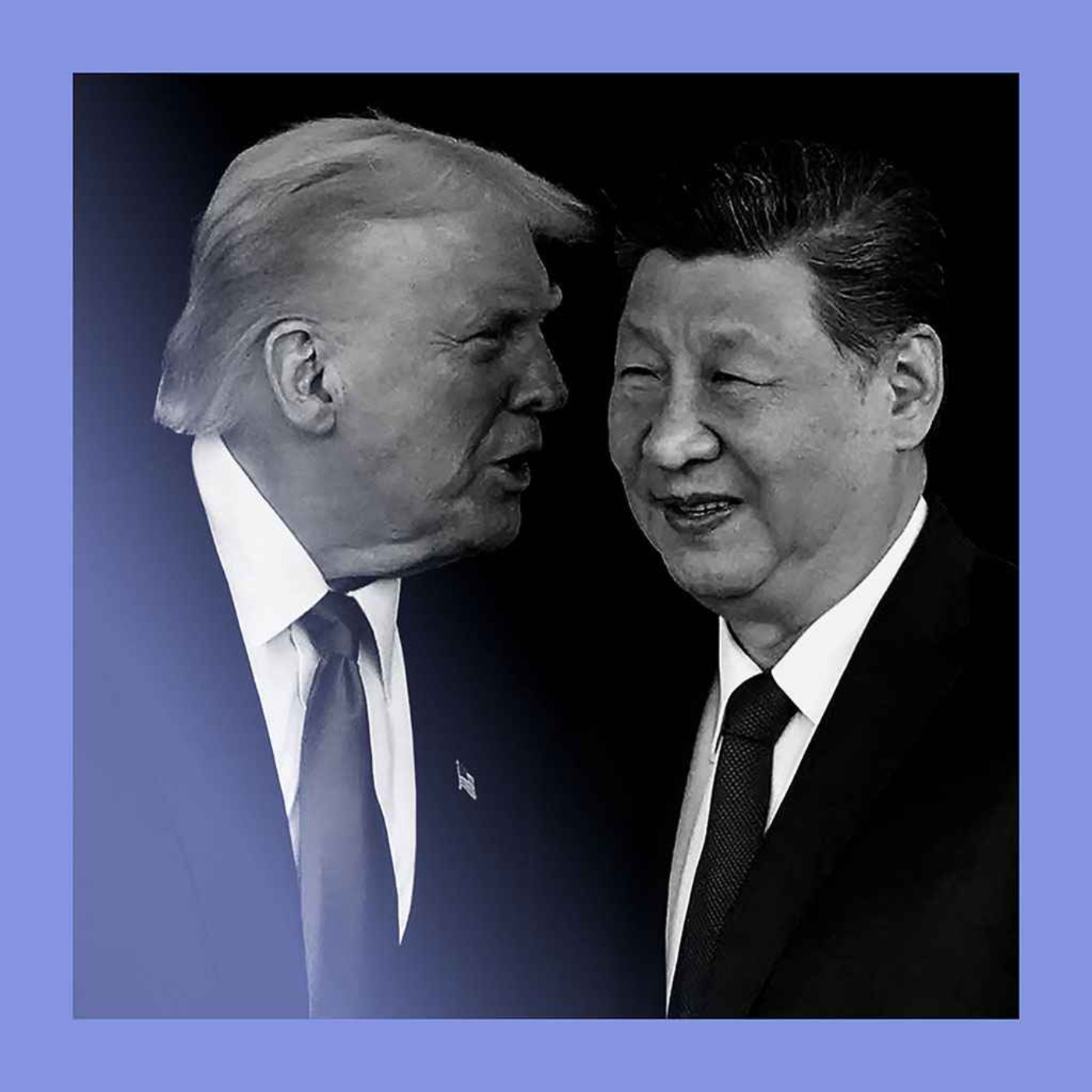
The success of tariffs hinges on the insight that China's economic model prioritizes volume and employment over per-unit profitability. This creates a vulnerability where Chinese producers are forced to absorb tariff costs to maintain output, effectively subsidizing the tariff revenue and preventing significant price increases for US consumers.

Unlike previous administrations that used trade policy for domestic economic goals, Trump's approach is distinguished by his willingness to wield tariffs as a broad geopolitical weapon against allies and adversaries alike, from Canada to India.

The Trump-era tariffs are not a temporary political maneuver but a lasting shift in U.S. economic policy. This reflects a broader, bipartisan move towards "spherification," prioritizing supply chain resilience and national security. A future Democratic administration is expected to maintain them.

The Trump administration's aggressive tariff policies against strategic partners like India are a diplomatic own goal. This economic pressure forces these countries, who are natural rivals to China, to hedge their bets and seek better relations with Beijing, ultimately undermining U.S. strategic interests.

The primary goal of certain US tariffs is not to generate revenue but to strategically weaken China's economy. By incentivizing US businesses to leave China, the US aims to slow its rival's growth, thereby protecting the dollar's global reserve status from the rising yuan.

Far from being a precise tool against China, recent US tariffs act as a blunt instrument that harms America's own interests. They tax raw materials and machine tools needed for domestic production and hit allies harder than adversaries. This alienates partners, disrupts supply chains, and pushes the world towards a 'World Minus One' economic coalition excluding the US.
