Get your free personalized podcast brief
We scan new podcasts and send you the top 5 insights daily.
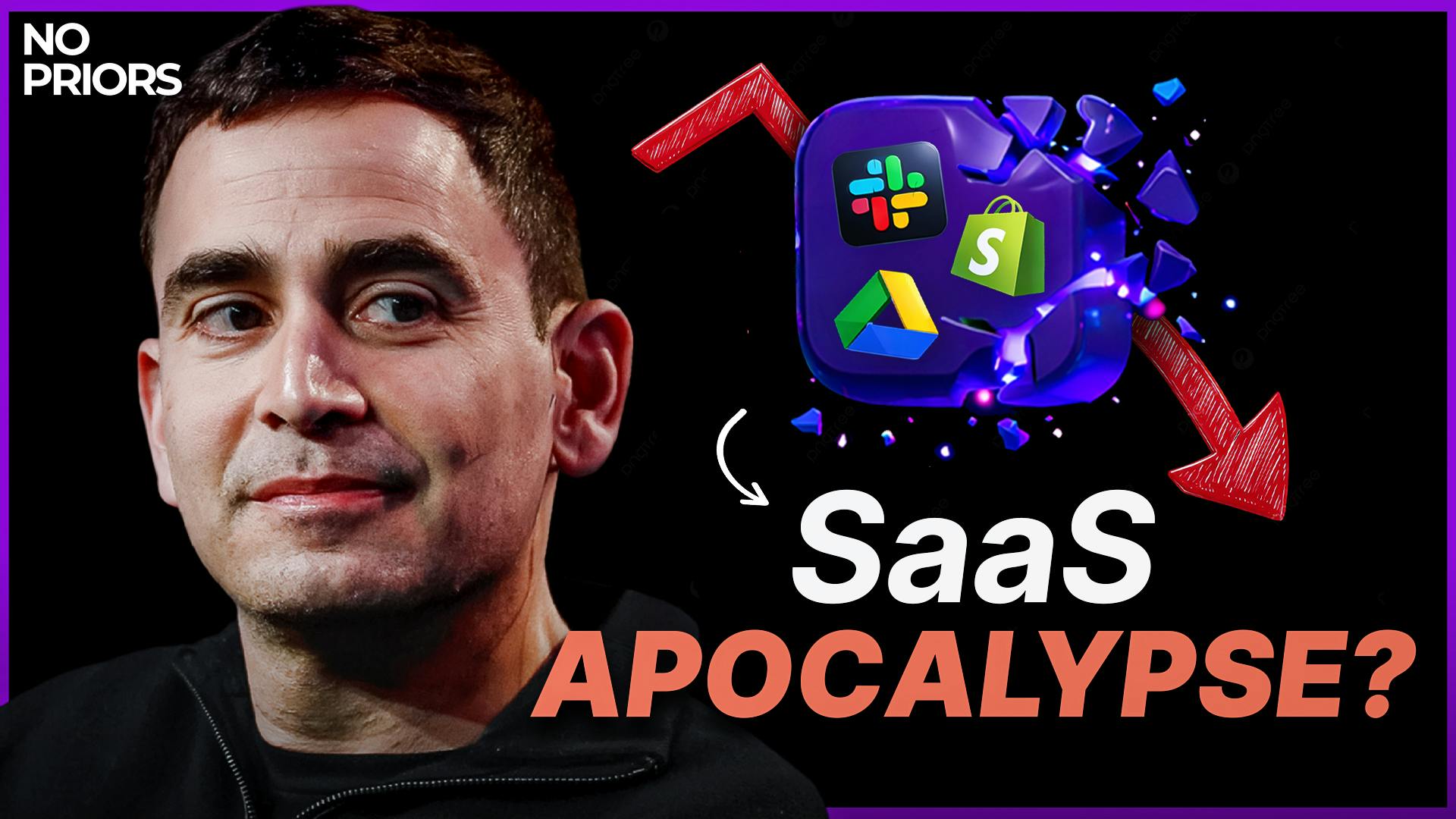
The predicted death of SaaS will be slower than expected because enterprises are hesitant to build and maintain their own software. They prioritize having a vendor for liability ("someone to blame"), need external maintenance, and want the competitive advantage of early access to new AI models that major SaaS providers receive.

Related Insights
Despite AI lowering the barrier to coding, replacing dozens of SaaS subscriptions with self-hosted apps is a poor business decision. The opportunity cost of diverting focus from growing MRR, which creates significant enterprise value, far outweighs any potential cost savings from not paying for third-party tools.

The current AI-driven downturn in SaaS valuations will primarily eliminate low-end, commoditized tools. Large enterprise platforms are protected because implementing AI effectively is complex and requires the deep, trusted C-suite relationships and integration capabilities that incumbents possess.

Even if AI makes it easier to build competing software, incumbent SaaS giants retain customers due to immense switching costs. The operational disruption, retraining, and integration challenges of migrating a large organization create a powerful moat against new entrants.

While AI can easily replicate simple SaaS features (e.g., a server alert), it poses little threat to deeply embedded enterprise systems. The complexity, integrations, and "dark matter" of these platforms create a "hostage" dynamic where ripping them out is impractical, regardless of cloning capabilities.
While AI can build an initial version of a software product instantly, the true, defensible value lies in the ongoing maintenance, support, and reliability. Customers will always pay for a product that is actively maintained and improved over time.
The "SaaSpocalypse" narrative misses a key reason large enterprises buy from vendors like Salesforce. It's not just about features, but accountability—like hiring McKinsey, it provides "air cover" and "a throat to choke." This institutional trust is a powerful moat against nascent, AI-generated tools.

Despite predictions of SaaS's collapse, leading AI companies like OpenAI and Anthropic are still significant customers of traditional SaaS tools. This suggests that AI agents are augmenting, not completely replacing, established enterprise software.

Large companies stick with incumbents like SAP because the subscription fee buys more than software; it buys an SLA, liability management, and guaranteed support. The risk of downtime from a cheaper, self-built solution is too high. The premium price is effectively an insurance policy against mission-critical failure.

The fear that AI agents will kill SaaS is overblown. Corporations will not replace mission-critical, supported software with AI-generated code from junior employees. The need for vendor accountability, reliability, and support creates a durable moat for enterprise software companies.

The idea that AI will eliminate SaaS is overblown because it incorrectly projects small startup behavior onto large enterprises. Fortune 100s face immense change management, security, and maintenance challenges, making replacing established vendors with internal AI-coded tools impractical.